 Pocket Botanist

Check these first
- Inspect the undersides of the leaves for orange or brown bumps.
- Look for a white, powdery film on the leaf surfaces.
- Check if the plant is crowded by other nearby plants.
Likely causes
Rust Fungus
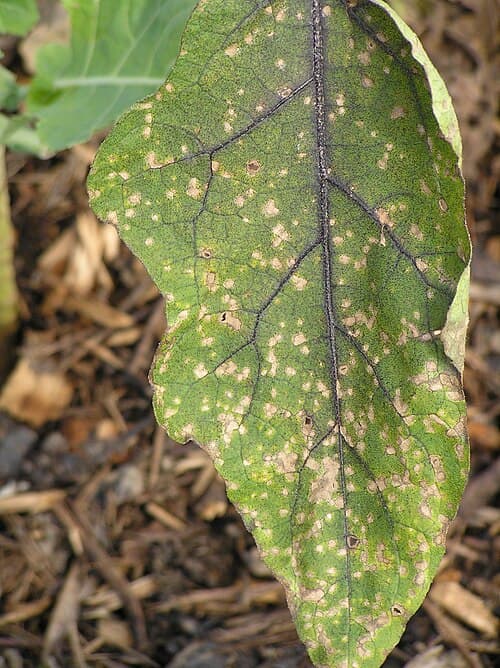
Most likelyHow to tell: Small orange or brown powdery pustules appear on the undersides of the leaves. The top of the leaf may show yellow or brown spots.
What to do: Remove and destroy the infected leaves immediately to stop the spread. Improve air circulation by thinning out crowded stems and avoid overhead watering.
Powdery Mildew
Most likelyHow to tell: A white, dusty coating appears on the leaves and stems. It usually starts on the lower leaves and moves upward.
What to do: Ensure the plant has plenty of space between it and other plants. You can spray with a mixture of 1 tablespoon of baking soda in 1 gallon of water to help manage it.
Find out what's wrong with your new england aster
The list above covers the usual causes. Pocket Botanist looks at a photo of your actual plant and tells you the likely cause, how serious it is, and what to try first. Identification and a health check are free.



Scan with your phone's camera to get the app
Or go to pocketbotanist.app/get on your phone
When to worry
Minor spotting is common late in the season, but heavy infestations that cause widespread leaf drop should be treated.
Stopping it coming back
Water at the base of the plant to keep foliage dry and provide plenty of space for airflow.
New England aster: spots? Check yours with a photo
Every plant is a little different. Take a photo of your new england aster and Pocket Botanist tells you which cause is most likely, how serious it is, and what to try first. A few checks a day are free. Save the plant and you get care reminders timed for it.
Scan with your phone's camera to get the app
Or go to pocketbotanist.app/get on your phone
Get the app · Or check it from a photo now, free
Questions people ask
- Should I cut the plant down if it has rust?
- If the infection is severe, cutting the plant back to the ground in late summer can help it regrow clean foliage.
- Is this fungus harmful to my other plants?
- Yes, many fungal spores are windborne and can spread to other susceptible plants in your garden.
Guides to these causes
More problems with New England aster
- Why is my New England aster getting so tall and floppy?
- Why is my New England aster not blooming?
- Why are my New England aster leaves turning yellow?
- Why are my New England aster's leaf tips turning brown?
- Why is my New England aster drooping?
- Why is my New England aster losing its leaves?
- Are there bugs on my New England aster?
- Is my New England aster suffering from root rot?
Back to the New England aster guide
This article was generated with AI on from the plant’s care profile and is general information, not horticultural advice. Read about how we build these guides.