 Pocket Botanist
Plant guide
African Violet.
Streptocarpus ionanthus
Pronounced strep-toe-KAR-pus eye-oh-NAN-thus
Also known as African Violet, African-violet, Usambara-violet



Scan with your phone's camera to get the app
Or go to pocketbotanist.app/get on your phone
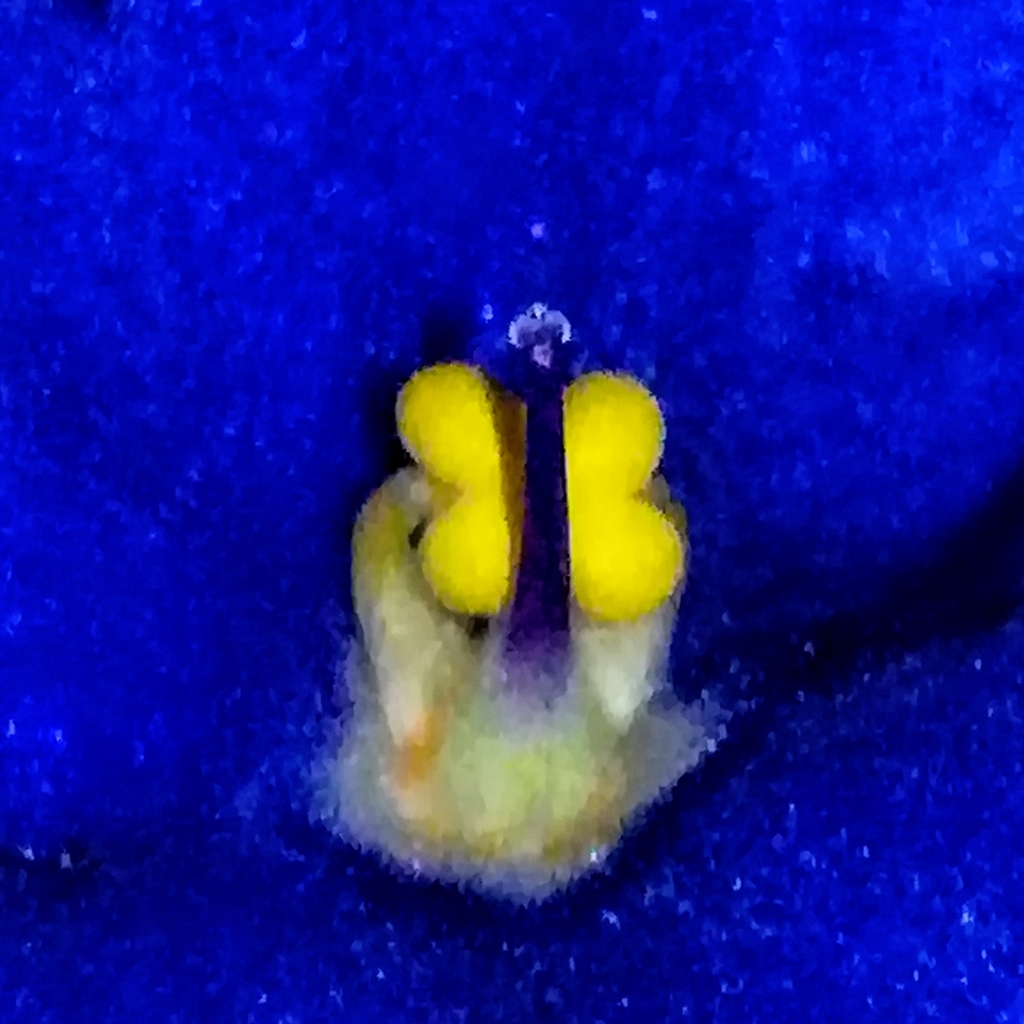
African violets are charming, compact plants that bloom almost year round. They love consistent moisture and bright, indirect light to stay happy. You will find they are quite rewarding once you find the right spot in your home.
At a glance
- Care level
- Moderate
- Plant type
- Flowering houseplant
- Light
- Bright indirect light is best for blooming.
- Indoor light
- Bright indirect
- Water
- Every 5 to 10 days
- Mature size
- 6 to 12 inches tall
- Growth rate
- Medium
- Hardiness
- USDA 10 to 12
- Bloom time
- Year round with proper care
Care
Water from the bottom to keep the fuzzy leaves dry and prevent spotting. Watch for drooping leaves which usually signal the plant is thirsty. Keep them away from cold drafts to ensure they keep blooming.
- Watering
- Keep the soil consistently moist but never soggy.
- Feeding
- Use a balanced fertilizer specifically formulated for African violets.
- Pruning
- Remove spent flowers and yellowing leaves to encourage new growth.
- Repotting
- Repot when the plant becomes root bound or the soil breaks down.
- Soil
- Well draining peat based potting mix
- Soil pH
- 5.8 to 6.2
- Temperature
- 15 to 24°C
- Humidity
- 50 to 70%
- Drought tolerance
- Low
- Lifespan
- Perennial, typically 3 to 5 years with good care.
- Deer and rabbits
- Moderate
Signs it needs repotting
- Roots growing out of the drainage holes.
- The plant stops blooming for an extended period.
- Water runs through the pot immediately without soaking in.
Safety
- People
- The plant is generally considered non-toxic to humans.
- Pets
- This plant is generally considered non toxic to cats and dogs.
- Children
- Keep out of reach of small children to prevent accidental ingestion or damage to the delicate foliage.
- Contact allergens
- The fuzzy leaves can trap dust and may cause mild skin irritation in sensitive individuals.
- Airborne allergens
- The fine hairs on the leaves can occasionally irritate the respiratory tract if disturbed.
- Edibility
- This plant is not intended for human consumption.
How to identify it
- Fuzzy, dark green rounded leaves
- Small, five petaled vibrant flowers
- Compact, low growing rosette habit
- Yellow centers on flower blooms
- Height
- 0.1 to 0.2m
- Spread
- 0.15 to 0.3m
- Leaves
- dark green, evergreen
- Flowers
- purple, violet, white, pink, 2 to 4cm
Problems to watch for
- Crown rot · Caused by water sitting in the crown of the plant.
- Powdery mildew · A white fungal growth on leaves often caused by poor air circulation.
Check your african violet from a photo
Pocket Botanist looks at a photo of your plant and tells you what's wrong and what to try first.
Scan with your phone's camera to get the app
Or go to pocketbotanist.app/get on your phone
Growing it
- Propagation
- cuttings, division, seed
- When to plant
- spring, summer
- Overwintering
- Keep the plant away from cold drafts and heaters. Maintain consistent indoor temperatures.
- In containers
- Excellent for small pots, as they prefer to be slightly root-bound.
Leaf Cuttings
- 1. Cut a healthy leaf with a bit of stem.
- 2. Place the stem in moist potting mix.
- 3. Cover with plastic to maintain humidity.
- 4. Wait for new plantlets to emerge at the base.
Group plants with similar moisture needs together to create a humid environment.
Grows well with
- Peace Lily · They share similar light and humidity requirements.
- Ferns · Ferns help create a humid microclimate beneficial for violets.
Similar species
- Cape Primrose · They are close relatives with similar growth habits.
Science
- Family
- Gesneriaceae
- Genus
- Streptocarpus
- Order
- Lamiales
- Class
- Magnoliopsida
- Native range
- Tanzania and Kenya in East Africa.
- Conservation
- Wild populations are threatened by habitat loss in their native Tanzanian forests.
It grows in the shaded, humid crevices of limestone cliffs in tropical forests.
- Value to wildlife
- nectar source
- Pollinators
- bees
- Uses
- houseplant, indoor container plant
Through the year
Ecological indicators
- Salinity
- 1/9
- Soil reaction
- 6/9
- Light
- 4/9
- Temperature
- 7/9
- Moisture
- 5/9
- Nutrients
- 4/9
Taxonomy resolved against GBIF.
Questions people ask
- Why are my leaves turning yellow?
- This is often a sign of overwatering or cold water touching the leaves.
- How do I make it bloom more?
- Ensure it receives bright, indirect light and consistent fertilizer during the growing season.
Where the name comes from
The genus name honors Baron Walter von Saint Paul, while ionantha means violet-flowered.
Good to know
- African violets were discovered in 1892 by Baron Walter von Saint Paul.
- They prefer to be watered from the bottom to keep their leaves dry.
- The plants thrive in bright, indirect light.
Keep your african violet growing
This page is a general guide. Save your plant in Pocket Botanist and you get care reminders timed for this plant, plus a care history that shows what worked.
Scan with your phone's camera to get the app
Or go to pocketbotanist.app/get on your phone
This guide was generated with AI on and checked against GBIF taxonomy. It is general information, not horticultural or veterinary advice. Read about how we build these guides.