 Pocket Botanist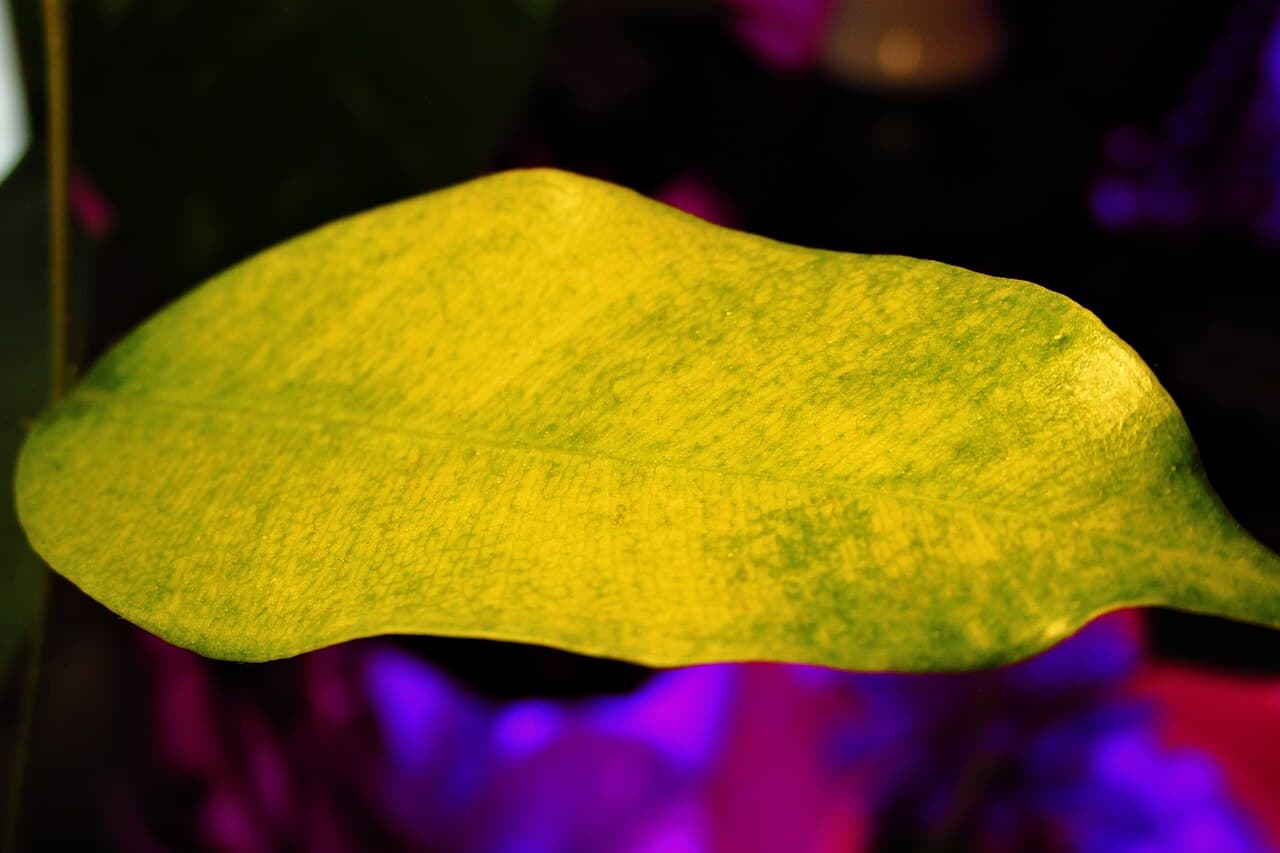
.jpg)
Check these first
- Feel the soil to see if it is waterlogged.
- Check the underside of leaves for signs of pests.
- Assess if the plant has been fertilized recently.
Likely causes
Nitrogen deficiency
Most likelyHow to tell: The older, lower leaves turn pale yellow while the plant growth slows down significantly.
What to do: Apply a balanced, nitrogen rich liquid fertilizer at half strength. Repeat this every 2 weeks until the leaves regain their deep green color.
Overwatering
PossibleHow to tell: The leaves look limp and yellow, and the soil feels constantly soggy or muddy.
What to do: Stop watering immediately and let the top inch of soil dry out. Ensure your container or garden bed has excellent drainage to prevent future water buildup.
When to worry
It is normal for the very oldest bottom leaves to yellow as the plant matures. If the yellowing spreads to the younger, center leaves, you need to act quickly.
Stopping it coming back
Keep soil evenly moist but never saturated and use a light application of compost before planting.
Not sure which one it is? Photograph your spinach.
This page lists the usual causes. Pocket Botanist looks at your actual leaf and tells you the likely cause, how serious it is, and what to try first. Identification and a health check are free.


Questions people ask
- Can I eat yellow spinach leaves?
- It is best to remove and discard them. They will have a poor texture and flavor compared to healthy green leaves.
- Does too much sun cause yellowing?
- Yes, intense heat can cause spinach to bolt, which leads to yellowing and bitter leaves. Provide some afternoon shade if temperatures exceed 75 degrees.
More problems with Spinach
This article was generated with AI from the plant’s care profile and is general information, not horticultural advice. Read about how we build these guides.