 Pocket Botanist
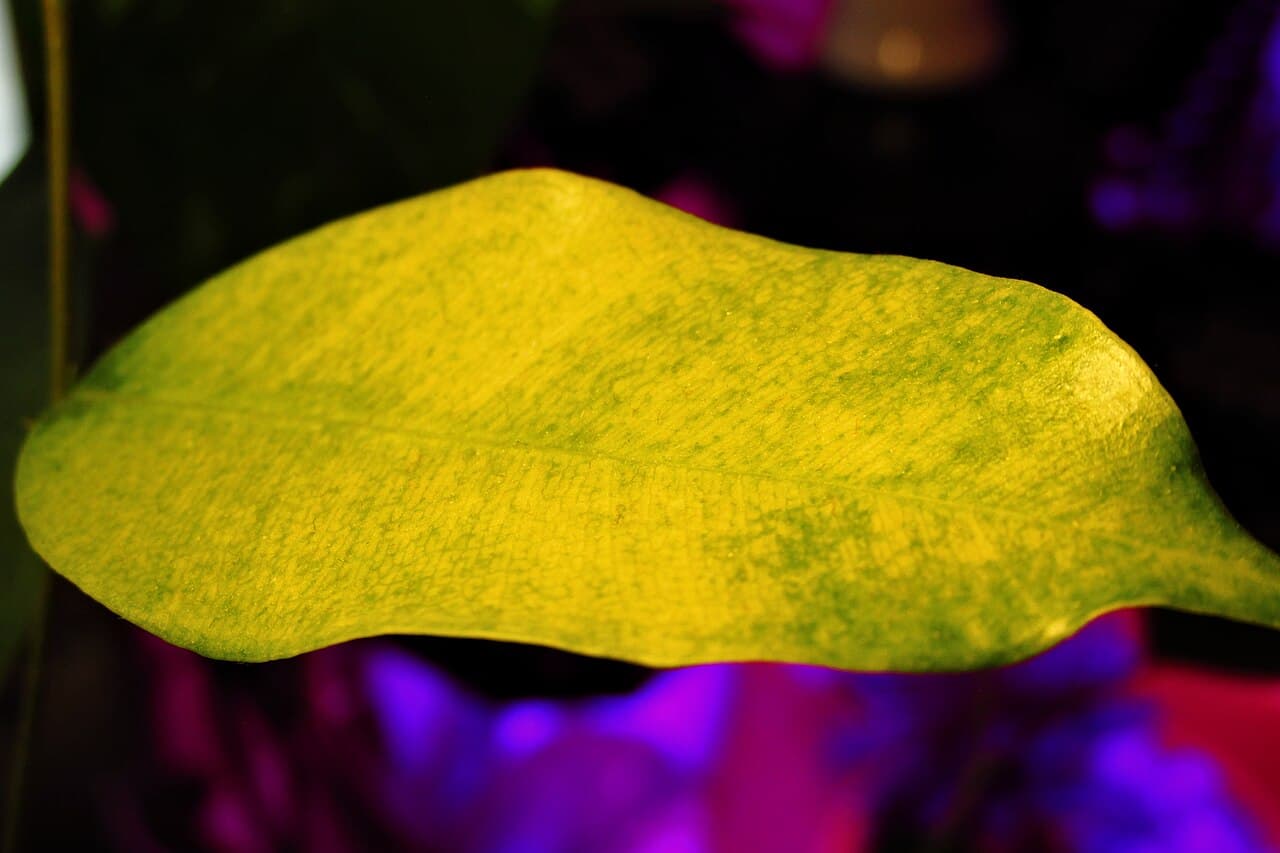

Check these first
- Check if the plant is getting enough direct sun.
- Look at the color of the new growth versus the old growth.
- Consider when you last fertilized the plant.
Likely causes
Nutrient Deficiency
Most likelyHow to tell: The older leaves turn yellow while the rest of the plant looks thin. This happens when the water lacks enough minerals.
What to do: Add an aquatic fertilizer tablet into the soil near the roots. Do this once in the spring to provide a steady supply of nutrients.
Insufficient Light
PossibleHow to tell: The leaves are turning pale yellow and the plant looks weak. This often happens if the plant is shaded by other taller plants.
What to do: Move the plant to a spot that receives at least 6 hours of direct sunlight. Trim back any overhanging plants that might be blocking the sun.
Find out what's wrong with your branched bur-reed
The list above covers the usual causes. Pocket Botanist looks at a photo of your actual plant and tells you the likely cause, how serious it is, and what to try first. Identification and a health check are free.



Scan with your phone's camera to get the app
Or go to pocketbotanist.app/get on your phone
When to worry
It is normal for the oldest, bottom-most leaves to turn yellow and die back as the plant grows. Worry only if the yellowing is widespread across the entire plant.
Stopping it coming back
Ensure your plant gets plenty of direct sunlight and provide a balanced fertilizer once per season. This keeps the foliage vibrant and green.
Branched bur-reed: yellow leaves? Check yours with a photo
Every plant is a little different. Take a photo of your branched bur-reed and Pocket Botanist tells you which cause is most likely, how serious it is, and what to try first. A few checks a day are free. Save the plant and you get care reminders timed for it.
Scan with your phone's camera to get the app
Or go to pocketbotanist.app/get on your phone
Get the app · Or check it from a photo now, free
Questions people ask
- Can I use regular houseplant fertilizer?
- No, do not use standard fertilizers as they will wash into the water and cause algae blooms. Always use tablets specifically designed for aquatic plants.
- Is yellowing a sign of root rot?
- Root rot is rare in this plant because it loves being submerged. Yellowing is almost always about light or nutrients.
More problems with branched bur-reed
Back to the branched bur-reed guide
This article was generated with AI on from the plant’s care profile and is general information, not horticultural advice. Read about how we build these guides.