 Pocket Botanist
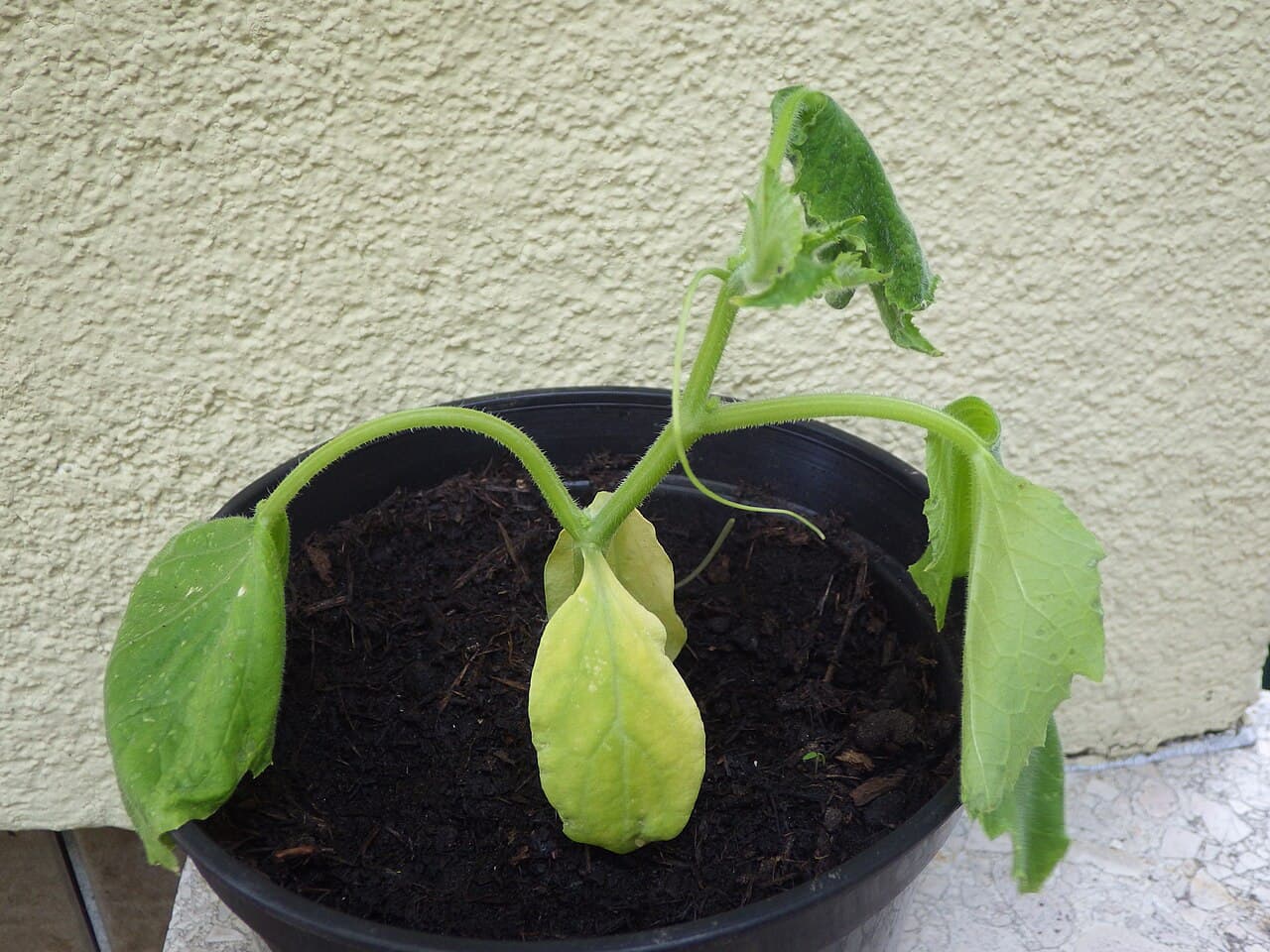

Check these first
- Touch the soil to see if it is bone dry.
- Check if the plant perks up after a good watering.
- Inspect the base of the stem for any physical damage.
Likely causes
Drought Stress
Most likelyHow to tell: The leaves look wilted and feel dry or brittle to the touch. This happens quickly during hot, dry spells.
What to do: Give the plant a deep, thorough watering until the soil is moist several inches down. Mulch around the base to help the soil hold onto moisture longer.
Root Damage
PossibleHow to tell: The plant wilts even when the soil is moist. You might notice the plant leaning or pulling out of the ground easily.
What to do: Check for pests or rot in the root zone. If the roots are mushy, you must improve drainage immediately.
Find out what's wrong with your johnsongrass
The list above covers the usual causes. Pocket Botanist looks at a photo of your actual plant and tells you the likely cause, how serious it is, and what to try first. Identification and a health check are free.



Scan with your phone's camera to get the app
Or go to pocketbotanist.app/get on your phone
When to worry
It is normal for the plant to wilt slightly during the hottest part of a summer afternoon. Worry if it stays wilted through the night or early morning.
Stopping it coming back
Water consistently every 7 to 14 days and apply a layer of organic mulch to keep the roots cool.
Johnsongrass: drooping? Check yours with a photo
Every plant is a little different. Take a photo of your johnsongrass and Pocket Botanist tells you which cause is most likely, how serious it is, and what to try first. A few checks a day are free. Save the plant and you get care reminders timed for it.
Scan with your phone's camera to get the app
Or go to pocketbotanist.app/get on your phone
Get the app · Or check it from a photo now, free
Questions people ask
- Can I save a wilted plant?
- Yes, most of the time a deep watering will bring it back within a few hours. If it does not recover, the roots may be damaged.
- How much water does it need?
- While it is drought tolerant, it performs best with consistent moisture. Aim to keep the soil moist but not swampy.
Guides to these causes
More problems with Johnsongrass
Back to the Johnsongrass guide
This article was generated with AI on from the plant’s care profile and is general information, not horticultural advice. Read about how we build these guides.