 Pocket Botanist
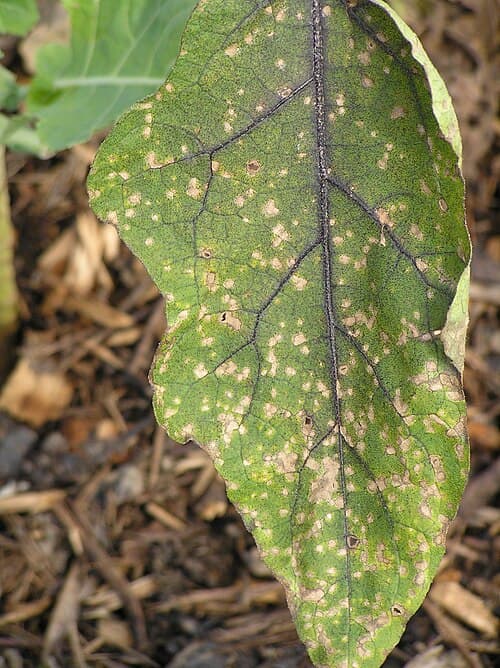

Check these first
- Inspect the undersides of leaves for fuzzy growth.
- Check if the spots have a bullseye pattern.
- Look for signs of rapid wilting or decay.
Likely causes
Late Blight
Most likelyHow to tell: Look for dark, water soaked spots on leaves that turn brown or black and may have a white fuzzy growth underneath. These spots spread rapidly across the plant.
What to do: Remove and destroy all infected plant parts immediately to prevent spread. Do not compost infected material. Apply a copper based fungicide if the infection is caught early.
Early Blight
PossibleHow to tell: These spots appear as concentric rings, often described as a bullseye pattern, starting on older lower leaves. The spots are usually brown or black with a yellow halo.
What to do: Improve air circulation by spacing plants properly. Water at the base of the plant to keep foliage dry. Use a mulch layer to prevent soil borne spores from splashing onto leaves.
Find out what's wrong with your potato
The list above covers the usual causes. Pocket Botanist looks at a photo of your actual plant and tells you the likely cause, how serious it is, and what to try first. Identification and a health check are free.



Scan with your phone's camera to get the app
Or go to pocketbotanist.app/get on your phone
When to worry
If the spots are spreading rapidly and the stems are turning black, the plant is likely lost to late blight and should be removed.
Stopping it coming back
Rotate your crops every 3 years and choose certified disease free seed potatoes.
Potato: spots? Check yours with a photo
Every plant is a little different. Take a photo of your potato and Pocket Botanist tells you which cause is most likely, how serious it is, and what to try first. A few checks a day are free. Save the plant and you get care reminders timed for it.
Scan with your phone's camera to get the app
Or go to pocketbotanist.app/get on your phone
Get the app · Or check it from a photo now, free
Questions people ask
- Can I eat potatoes from a plant with blight?
- Yes, the tubers are usually safe to eat if they show no signs of rot, but they will not store well. Cook them immediately.
- Should I water the leaves to wash off spots?
- No, wet foliage encourages fungal growth. Always water the soil directly.
Guides to these causes
More problems with Potato
- What is eating my potato plant leaves?
- Why are my potato leaves turning yellow?
- Why is my potato plant drooping?
- Why is my potato plant showing signs of root rot?
- Why are my potato leaves getting brown tips?
- Why are my potato plant leaves falling off?
- Why is my potato plant growing so tall and thin?
- Why are my potato leaves curling up?
This article was generated with AI on from the plant’s care profile and is general information, not horticultural advice. Read about how we build these guides.