 Pocket Botanist

Check these first
- Check the soil moisture at least 2 inches deep with your finger.
- Inspect the drainage holes to ensure they are not blocked by soil or debris.
- Smell the soil for any signs of decay or rot.
Likely causes
Poor Drainage
Most likelyHow to tell: The soil stays soggy for days after watering and the base of the stem feels soft or mushy. You might also notice a sour, swampy smell coming from the pot or ground.
What to do: Improve the soil structure by mixing in perlite or coarse sand to increase aeration. If the plant is in a container, ensure it has large drainage holes and never let it sit in a saucer of standing water.
Overwatering
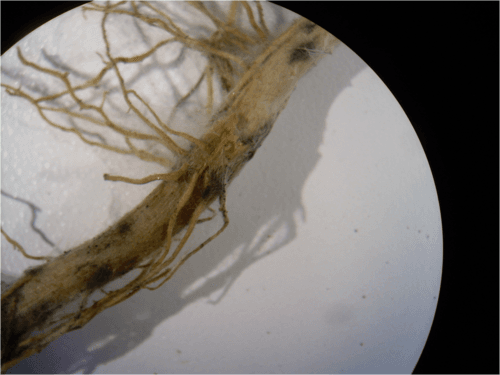
PossibleHow to tell: Leaves begin to yellow and wilt even though the soil is wet. The roots will appear dark, slimy, and brittle rather than firm and white.
What to do: Wait until the top 2 to 3 inches of soil are dry before watering again. During cooler months, reduce your watering frequency to every 14 days to allow the root system to recover.
Find out what's wrong with your common greenbrier
The list above covers the usual causes. Pocket Botanist looks at a photo of your actual plant and tells you the likely cause, how serious it is, and what to try first. Identification and a health check are free.



Scan with your phone's camera to get the app
Or go to pocketbotanist.app/get on your phone
When to worry
Be concerned if the entire vine starts to collapse or if the stem base turns black. It is normal for a few older leaves to yellow as the plant adjusts to a new environment.
Stopping it coming back
Always use a well draining soil mix and avoid watering on a strict schedule if the soil is still damp.
Common greenbrier: root rot? Check yours with a photo
Every plant is a little different. Take a photo of your common greenbrier and Pocket Botanist tells you which cause is most likely, how serious it is, and what to try first. A few checks a day are free. Save the plant and you get care reminders timed for it.
Scan with your phone's camera to get the app
Or go to pocketbotanist.app/get on your phone
Get the app · Or check it from a photo now, free
Questions people ask
- Can I save a plant with root rot?
- Yes, if you catch it early. Trim away the mushy, black roots with sterilized shears and repot the plant in fresh, dry soil.
- Does this plant need a lot of water?
- It likes consistent moisture but hates being waterlogged. Aim for a balance where the soil is damp but never muddy.
More problems with Common greenbrier
Back to the Common greenbrier guide
This article was generated with AI on from the plant’s care profile and is general information, not horticultural advice. Read about how we build these guides.