 Pocket Botanist
Plant guide
Saxifrage.
Saxifraga
Pronounced sak-SIF-ruh-guh
Also known as Rockfoils, Saxifrages, rockfoil, saxifrage



Scan with your phone's camera to get the app
Or go to pocketbotanist.app/get on your phone
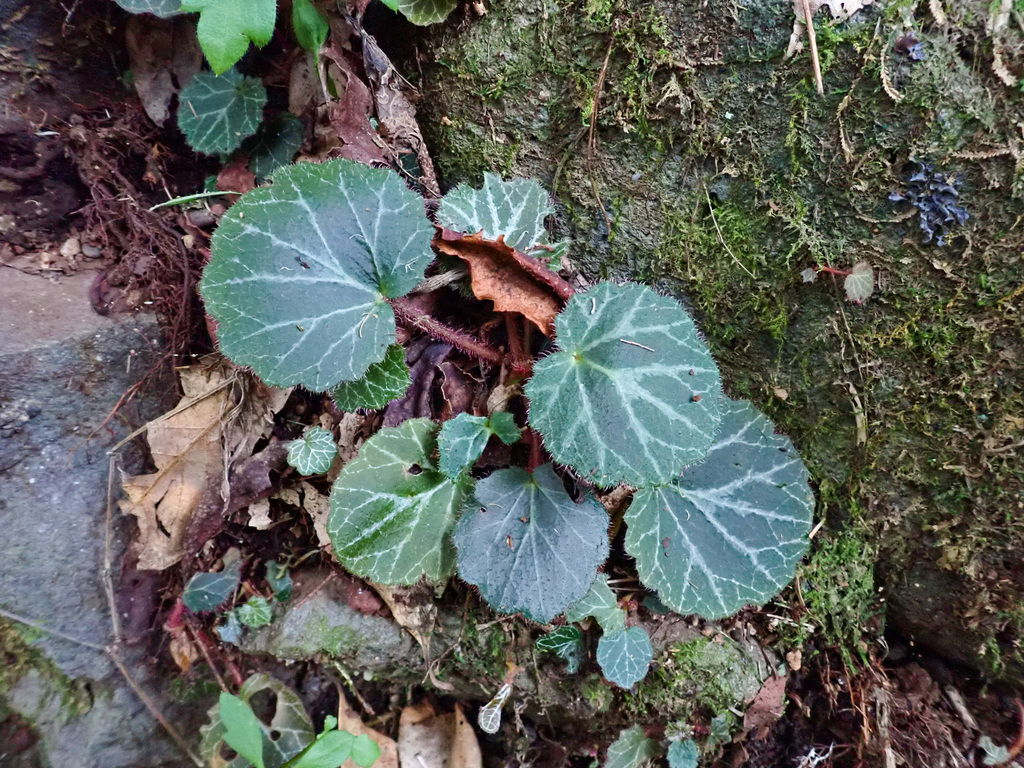
Saxifrages are a diverse group of plants that often grow in rocky crevices. They are well known for their charming, star shaped flowers and low growing habit. These plants are perfect for rock gardens or alpine displays.
At a glance
- Care level
- Moderate
- Plant type
- Perennial
- Light
- Partial shade to full sun depending on the species.
- Indoor light
- Bright indirect
- Water
- Every 5 to 10 days
- Mature size
- 6 to 12 inches
- Growth rate
- Slow
- Hardiness
- USDA 3 to 9
- Bloom time
- Early to mid spring
Care
Keep the soil consistently moist but ensure excellent drainage to prevent root rot. Watch for wilting leaves, which often signal that the plant is too dry or getting too much heat. Provide plenty of fresh air circulation to keep them happy.
- Watering
- Water when the top inch of soil feels slightly dry to the touch.
- Feeding
- Apply a balanced liquid fertilizer diluted to half strength during the growing season.
- Pruning
- Remove spent flower stalks and dead leaves to keep the plant tidy.
- Repotting
- Repot only when the plant has outgrown its current container or the soil has degraded.
- Soil
- Well draining, gritty, rocky soil.
- Soil pH
- Neutral to slightly alkaline.
- Temperature
- -40 to 25°C
- Humidity
- 40 to 70%
- Drought tolerance
- Low
- Lifespan
- Perennial, typically 3 to 7 years.
- Deer and rabbits
- Moderate
Signs it needs repotting
- Roots circling the bottom of the pot
- Plant looks crowded in its container
- Water drains away too quickly
Safety
- People
- Some species may cause mild skin irritation upon contact with the foliage.
- Children
- Keep away from small children as ingestion may cause stomach upset.
- Contact allergens
- The foliage can cause minor skin irritation in sensitive individuals.
- Airborne allergens
- Pollen is generally not a significant allergen.
- Edibility
- This plant is not considered edible and should not be consumed.
How to identify it
- Basal rosettes of leaves
- Star shaped five petaled flowers
- Often found in rocky habitats
- Small, compact growth habit
- Height
- 0.05 to 0.3m
- Spread
- 0.1 to 0.45m
- Leaves
- green, silver, evergreen
- Flowers
- white, pink, yellow, purple, 1 to 3cm
Problems to watch for
- Crown rot · Fungal decay often caused by poor drainage or excessive moisture around the base.
- Aphids · Small insects that feed on the sap of new growth.
Check your saxifrage from a photo
Pocket Botanist looks at a photo of your plant and tells you what's wrong and what to try first.
Scan with your phone's camera to get the app
Or go to pocketbotanist.app/get on your phone
Growing it
- Propagation
- division, seed, cuttings
- When to plant
- spring, autumn
- Overwintering
- Ensure the crown stays dry during winter to prevent rot. A layer of grit around the base helps keep the foliage off damp soil.
- In containers
- They thrive in shallow containers or alpine troughs with excellent drainage.
Division
- 1. Carefully lift the plant after flowering.
- 2. Gently tease apart the rosettes.
- 3. Replant immediately into well draining soil.
Pair with other low growing alpine plants that appreciate excellent drainage and cool root runs.
Grows well with
- Aubrieta · They share similar light and soil requirements for rock garden settings.
- Sedum · They provide a nice textural contrast in rocky, well drained soil.
Similar species
- Heuchera · They share a similar rosette growth habit and preference for cool conditions.
Science
- Family
- Saxifragaceae
- Genus
- Saxifraga
- Order
- Saxifragales
- Class
- Magnoliopsida
- Native range
- Cool temperate and alpine regions of the Northern Hemisphere.
- Conservation
- Some rare alpine species are protected in the wild and should never be collected.
They survive in harsh alpine environments by growing in rock crevices where they are protected from wind and extreme temperature fluctuations.
- Value to wildlife
- early season nectar source
- Pollinators
- bees, butterflies
- Uses
- rock gardens, alpine troughs, crevice planting, ground cover
Through the year
Ecological indicators
- Salinity
- 1/9
- Soil reaction
- 6/9
- Light
- 5/9
- Temperature
- 3/9
- Moisture
- 5/9
- Nutrients
- 3/9
Taxonomy resolved against GBIF.
Questions people ask
- Do they need full sun?
- Most prefer partial shade, especially in warmer climates where afternoon sun can scorch them.
- How often should I water them?
- Keep the soil consistently moist but never soggy, as they hate sitting in water.
Where the name comes from
The name refers to the ancient belief that the plant could break apart rocks, likely because they grow in rocky fissures.
Good to know
- Saxifraga is one of the largest genera of flowering plants in the alpine world.
- Many species form tight, mossy cushions that help them retain moisture.
- They are perfectly adapted to growing in narrow rock crevices where little else survives.
- The leaves often have lime secreting pores on their margins.
Keep your saxifrage growing
This page is a general guide. Save your plant in Pocket Botanist and you get care reminders timed for this plant, plus a care history that shows what worked.
Scan with your phone's camera to get the app
Or go to pocketbotanist.app/get on your phone
This guide was generated with AI on and checked against GBIF taxonomy. It is general information, not horticultural or veterinary advice. Read about how we build these guides.