 Pocket Botanist
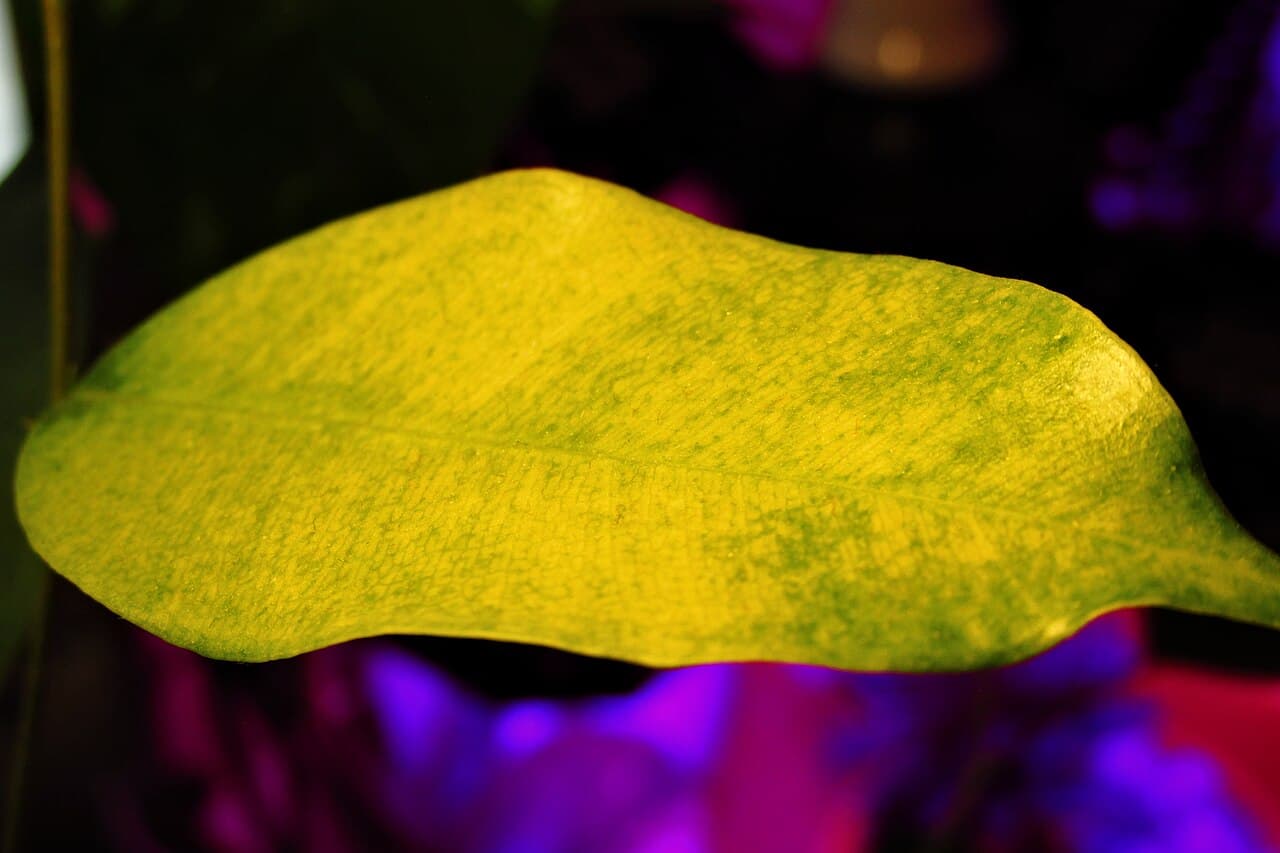

Check these first
- Feel the soil moisture two inches down.
- Inspect the leaves for tiny insects like leafhoppers.
- Check the drainage holes for blockages.
Likely causes
Overwatering
Most likelyHow to tell: The leaves turn yellow and feel soft or mushy to the touch. The soil stays damp for more than two weeks.
What to do: Stop watering immediately and let the top 3 inches of soil dry out completely. Ensure your pot has drainage holes and avoid letting the tree sit in a saucer of standing water.
Spike Disease
PossibleHow to tell: Leaves become small, yellow, and clustered at the tips of branches. Growth appears stunted and the tree looks bushy.
What to do: This is a serious phytoplasma infection spread by insects. Remove and destroy the affected tree to prevent the disease from spreading to other nearby plants.
Find out what's wrong with your sandalwood
The list above covers the usual causes. Pocket Botanist looks at a photo of your actual plant and tells you the likely cause, how serious it is, and what to try first. Identification and a health check are free.



Scan with your phone's camera to get the app
Or go to pocketbotanist.app/get on your phone
When to worry
If the yellowing spreads rapidly across the whole tree, it is likely a systemic issue like Spike disease. A few yellow leaves near the bottom are normal as the tree ages.
Stopping it coming back
Maintain a consistent watering schedule and keep the area around your tree free of weeds that might host disease carrying insects.
Sandalwood: yellow leaves? Check yours with a photo
Every plant is a little different. Take a photo of your sandalwood and Pocket Botanist tells you which cause is most likely, how serious it is, and what to try first. A few checks a day are free. Save the plant and you get care reminders timed for it.
Scan with your phone's camera to get the app
Or go to pocketbotanist.app/get on your phone
Get the app · Or check it from a photo now, free
Questions people ask
- Can I save a tree with Spike disease?
- Unfortunately, there is no cure for Spike disease. It is best to remove the tree to protect your other plants.
- Is yellowing always a sign of disease?
- No, it is often just a sign that the tree is getting too much water. Adjust your watering schedule before assuming the worst.
Guides to these causes
More problems with Sandalwood
- How do I fix root rot in my sandalwood?
- Why are my sandalwood leaves getting brown tips?
- Why is my sandalwood tree drooping?
- Why is my sandalwood tree losing its leaves?
- Why does my sandalwood have spots on its leaves?
- What is eating my sandalwood tree?
- Why is my sandalwood growing tall and thin?
- Why are my sandalwood leaves curling?
- Why is my sandalwood not producing flowers?
This article was generated with AI on from the plant’s care profile and is general information, not horticultural advice. Read about how we build these guides.