 Pocket Botanist

Check these first
- Look for skeletonized leaves with visible larvae.
- Check for small insects on the stems.
- Inspect the ground for frass or insect droppings.
Likely causes
Willow Sawfly
Most likelyHow to tell: The larvae feed on the tissue between the leaf veins, leaving behind a skeletonized, lace like appearance. You might see them clustered on the leaves.
What to do: Pick the larvae off by hand if the tree is small. For larger infestations, use a neem oil spray according to the label instructions.
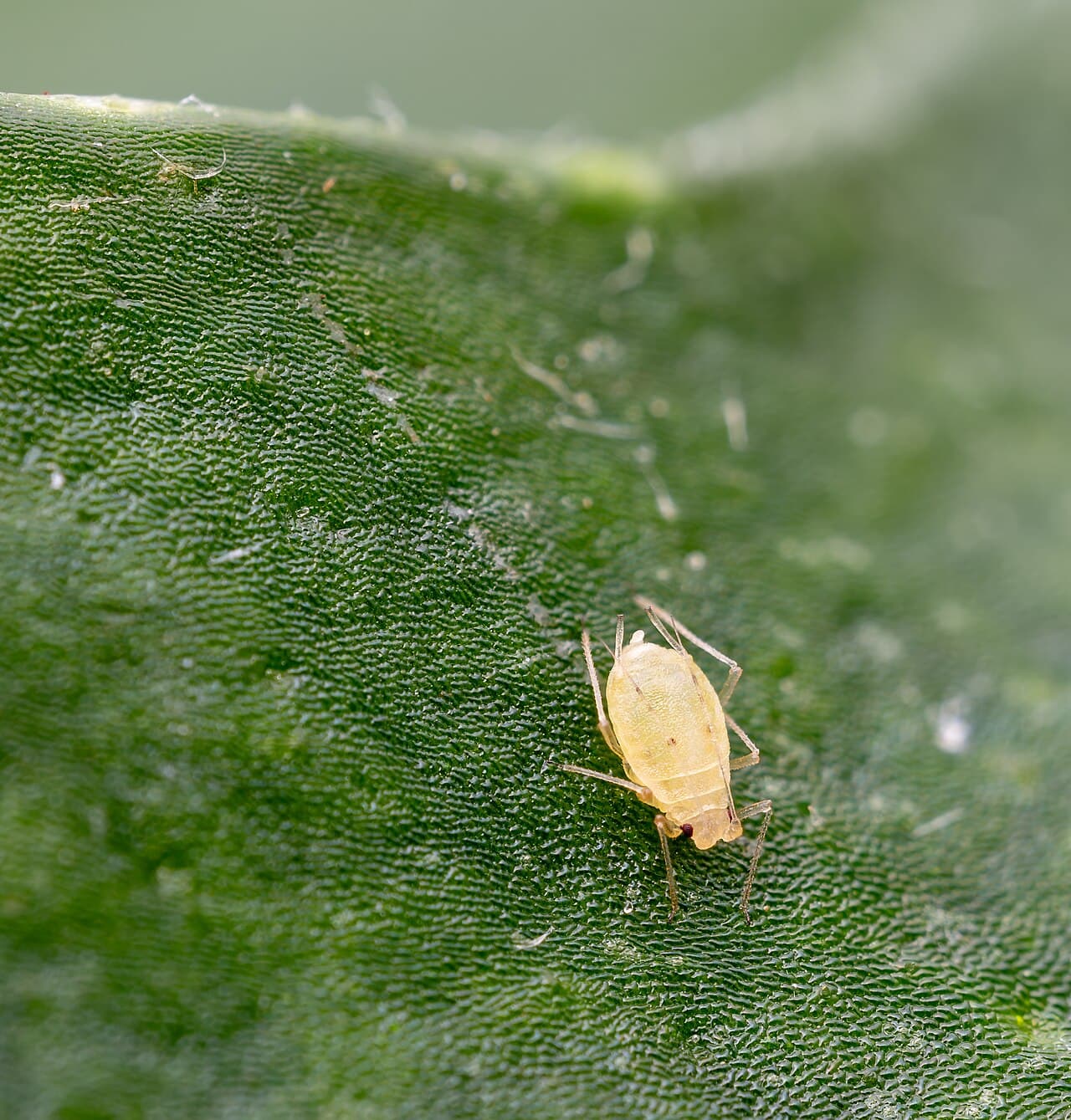
Aphids
PossibleHow to tell: Leaves look curled or stunted, and you see small insects on the stems. They suck the sap and cause the tree to look generally unhappy.
What to do: Use a sharp stream of water to blast them off the branches. Repeat this every few days until the population disappears.
Find out what's wrong with your weeping willow
The list above covers the usual causes. Pocket Botanist looks at a photo of your actual plant and tells you the likely cause, how serious it is, and what to try first. Identification and a health check are free.



Scan with your phone's camera to get the app
Or go to pocketbotanist.app/get on your phone
When to worry
Be concerned if the tree is losing more than 30 percent of its leaves. Minor feeding is usually tolerated by established trees.
Stopping it coming back
Encourage beneficial insects like ladybugs to visit your garden, as they eat many willow pests.
Weeping Willow: pests? Check yours with a photo
Every plant is a little different. Take a photo of your weeping willow and Pocket Botanist tells you which cause is most likely, how serious it is, and what to try first. A few checks a day are free. Save the plant and you get care reminders timed for it.
Scan with your phone's camera to get the app
Or go to pocketbotanist.app/get on your phone
Get the app · Or check it from a photo now, free
Questions people ask
- Are these bugs harmful to me?
- No, willow sawflies and aphids are harmless to humans and pets. They only have an appetite for your willow tree.
- Can I use chemical pesticides?
- It is best to avoid harsh chemicals. They often kill the good insects that help control the pest population naturally.
Guides to these causes
More problems with Weeping Willow
Back to the Weeping Willow guide
This article was generated with AI on from the plant’s care profile and is general information, not horticultural advice. Read about how we build these guides.