 Pocket Botanist
Plant guide
French rose.
Rosa gallica
Pronounced ROH-zuh GAL-ih-kuh
Also known as Apothecary Rose, Apothecary's Rose, Provins Rose, French Rose, Hungarian Rose, Officinal Rose, Provence Rose, Red Rose



Scan with your phone's camera to get the app
Or go to pocketbotanist.app/get on your phone
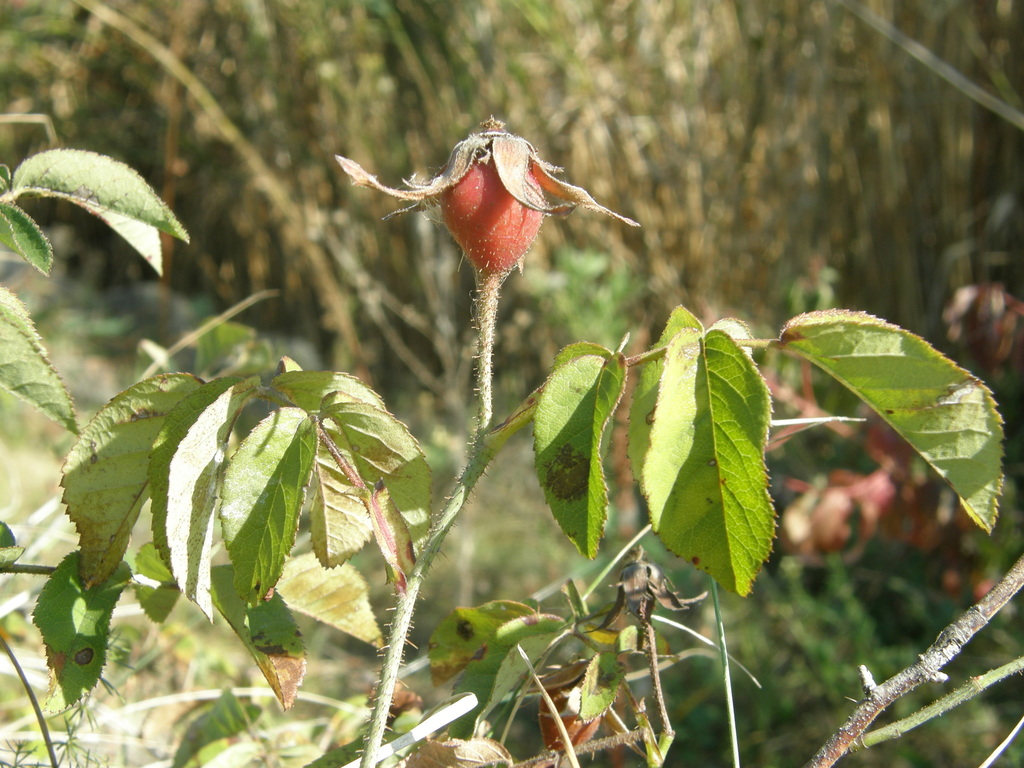
The French rose is a classic, hardy shrub known for its fragrant, deep pink to crimson blooms. It has been cherished for centuries for its beauty and historical significance in garden design. You will find it is quite resilient once it gets settled in your garden.

At a glance
- Care level
- Easy
- Plant type
- Deciduous shrub
- Light
- Full sun
- Indoor light
- Direct sun
- Water
- Every 3 to 7 days
- Mature size
- 4 to 5 feet
- Growth rate
- Medium
- Hardiness
- USDA 4 to 8
- Bloom time
- Early to mid summer
Care
Plant this rose in a spot with plenty of airflow to keep the leaves dry and prevent fungal issues. Watch for yellowing leaves or spots, which might suggest it needs more sun or better drainage. Keep the soil consistently moist but never soggy.
- Watering
- Water deeply at the base of the plant to keep the roots hydrated.
- Feeding
- Apply a balanced rose fertilizer during the active growing season.
- Pruning
- Prune in late winter or early spring to remove dead wood and shape the shrub.
- Repotting
- If growing in a container, move to a larger pot every few years to refresh the soil.
- Soil
- Well drained loamy soil
- Soil pH
- 6.0 to 7.0
- Temperature
- -25 to 35°C
- Humidity
- 40 to 70%
- Drought tolerance
- Moderate
- Lifespan
- Perennial, typically 15 to 20 years or more.
- Fragrance
- Strong
- Deer and rabbits
- Moderate
Signs it needs repotting
- Roots growing out of drainage holes.
- Water running straight through the pot without soaking in.
Safety
- People
- The plant is generally non toxic, though the thorns can cause mechanical injury.
- Children
- The stems are covered in sharp prickles that can easily scratch a child's skin.
- Contact allergens
- Sharp thorns can cause skin scratches and minor irritation.
- Airborne allergens
- The pollen may trigger mild seasonal allergies in sensitive individuals.
- Edibility
- While the petals are edible, ensure they are grown without synthetic pesticides or fertilizers.
How to identify it
- Deep pink to crimson petals
- Fragrant semi double or double flowers
- Dark green matte foliage
- Sturdy upright shrub habit
- Prickly stems with small thorns
- Height
- 0.6 to 1.2m
- Spread
- 0.6 to 1m
- Leaves
- medium green, dark green, deciduous
- Flowers
- pink, deep crimson, 5 to 8cm
- Fruit
- red, late summer to autumn
Problems to watch for
- Black spot · A fungal infection causing dark spots on leaves.
- Aphids · Small insects that feed on new growth and flower buds.
Check your french rose from a photo
Pocket Botanist looks at a photo of your plant and tells you what's wrong and what to try first.
Scan with your phone's camera to get the app
Or go to pocketbotanist.app/get on your phone
Growing it
- Propagation
- cuttings, division, seed
- When to plant
- spring, autumn
- Overwintering
- Mulch the base in late autumn to protect roots from extreme temperature fluctuations. No heavy pruning is needed before winter.
- In containers
- It is best grown in the ground due to its suckering habit, but can grow in a very large container.
Hardwood cuttings
- 1. Take 20cm cuttings in late autumn.
- 2. Insert into a pot of gritty soil.
- 3. Keep in a cold frame until spring.
Planting aromatic herbs nearby can help mask the rose's scent from certain pests.
Grows well with
- Lavender · They share similar sun and soil requirements.
- Catmint · It acts as a lovely ground cover that hides the rose's bare lower stems.
Similar species
- Damask Rose · It shares a similar historical lineage and fragrance profile.
Science
- Family
- Rosaceae
- Genus
- Rosa
- Order
- Rosales
- Class
- Magnoliopsida
- Native range
- Central and southern Europe to western Asia.
- Conservation
- It is a stable species and not currently of conservation concern.
It thrives in open, sunny scrublands and forest edges where it can spread via suckers.
- Value to wildlife
- nectar source, provides shelter
- Pollinators
- bees, beetles
- Uses
- ornamental shrub, culinary petals, potpourri
Through the year
Ecological indicators
- Salinity
- 2/9
- Soil reaction
- 6/9
- Light
- 7/9
- Temperature
- 5/9
- Moisture
- 5/9
- Nutrients
- 6/9
Taxonomy resolved against GBIF.
Questions people ask
- Does it need pruning?
- Yes, prune lightly after flowering to maintain shape.
- Can it grow in shade?
- It prefers full sun but tolerates light shade.
Where the name comes from
The name Rosa gallica refers to its historical association with France, where it was widely grown.
Good to know
- It is often called the French Rose.
- It is one of the oldest roses in cultivation.
- The flowers are typically very fragrant.
- It spreads by underground suckers.
Keep your french rose growing
This page is a general guide. Save your plant in Pocket Botanist and you get care reminders timed for this plant, plus a care history that shows what worked.
Scan with your phone's camera to get the app
Or go to pocketbotanist.app/get on your phone
This guide was generated with AI on and checked against GBIF taxonomy. It is general information, not horticultural or veterinary advice. Read about how we build these guides.