 Pocket Botanist

Check these first
- Stick your finger 3 inches into the soil to check for sogginess.
- Observe if the wilting is happening on just one branch or the whole plant.
- Check the soil surface for signs of standing water after rain.
Likely causes
Poor soil drainage
PossibleHow to tell: The leaves will start to yellow and wilt even if the soil feels wet. You might notice a sour smell coming from the soil near the roots.
What to do: Stop watering immediately and allow the top 3 to 4 inches of soil to dry out completely. If the area stays soggy, consider installing a drainage pipe or amending the soil with organic matter to improve flow. Only water every 7 to 14 days once the soil has dried.
Verticillium wilt
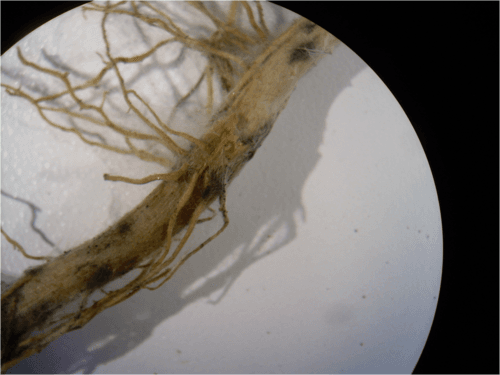
PossibleHow to tell: This soil borne fungus causes branches to wilt and die back suddenly, often starting on one side of the plant. The roots may look dark or decayed when examined.
What to do: Prune out the dead or wilting branches well below the affected area, sterilizing your shears with alcohol between each cut. Keep the plant healthy with proper watering and mulch to help it fight off the stress. Unfortunately, there is no cure for this fungus, so focus on plant vigor.
Find out what's wrong with your smooth sumac
The list above covers the usual causes. Pocket Botanist looks at a photo of your actual plant and tells you the likely cause, how serious it is, and what to try first. Identification and a health check are free.



Scan with your phone's camera to get the app
Or go to pocketbotanist.app/get on your phone
When to worry
Worry if the entire plant is wilting or if the bark near the base feels soft and mushy. It is normal for a newly planted sumac to show slight drooping for a few days while it settles in.
Stopping it coming back
Plant your sumac in a spot with excellent drainage and avoid overwatering once the root system is established.
Smooth sumac: root rot? Check yours with a photo
Every plant is a little different. Take a photo of your smooth sumac and Pocket Botanist tells you which cause is most likely, how serious it is, and what to try first. A few checks a day are free. Save the plant and you get care reminders timed for it.
Scan with your phone's camera to get the app
Or go to pocketbotanist.app/get on your phone
Get the app · Or check it from a photo now, free
Questions people ask
- Can I save a tree with root rot?
- If caught early, you can save it by correcting the drainage and letting the roots dry out. If the rot has reached the main trunk, the tree likely cannot be saved.
- How often should I water my smooth sumac?
- Once established, water every 7 to 14 days depending on the heat. Always check that the soil is dry before adding more water.
Guides to these causes
More problems with Smooth sumac
- Why is my Smooth sumac drooping?
- What are these bumps on my Smooth sumac leaves?
- Why are my smooth sumac's leaves curling?
- Why is my Smooth sumac growing so tall and thin?
- Why are my smooth sumac's leaves turning yellow?
- Why is my smooth sumac losing its leaves?
- Why does my smooth sumac have spots on its leaves?
Back to the Smooth sumac guide
This article was generated with AI on from the plant’s care profile and is general information, not horticultural advice. Read about how we build these guides.