 Pocket Botanist
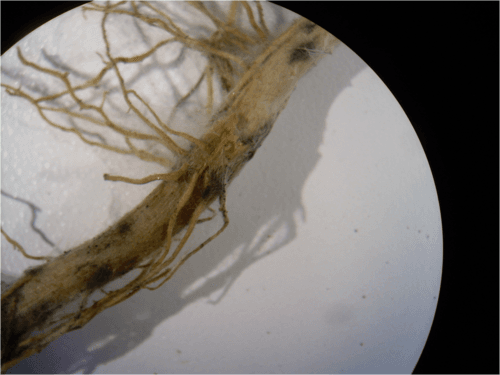

Check these first
- Dig down near the base to see if the soil is waterlogged.
- Gently pull back the soil to inspect the roots for a mushy texture.
- Check if the plant is sitting in a low spot in the garden.
Likely causes
Phytophthora root rot
Most likelyHow to tell: The leaves wilt, turn dull, and eventually brown while the roots become black and mushy. This thrives in heavy, waterlogged clay soils.
What to do: Improve drainage immediately by amending the soil with organic matter or moving the plant to a raised bed. Unfortunately, if the root system is mostly black, the plant may not recover.
Overwatering
PossibleHow to tell: The soil stays constantly soggy and the plant shows signs of stress. The roots lack oxygen and begin to decay.
What to do: Allow the top inch of soil to dry out completely before watering again. Ensure your planting site has excellent drainage and is not in a low spot where water pools.
Find out what's wrong with your pontic rhododendron
The list above covers the usual causes. Pocket Botanist looks at a photo of your actual plant and tells you the likely cause, how serious it is, and what to try first. Identification and a health check are free.



Scan with your phone's camera to get the app
Or go to pocketbotanist.app/get on your phone
When to worry
If the roots are soft, dark, and smell foul, the plant is likely beyond saving. Act immediately if you see wilting during cool, wet weather.
Stopping it coming back
Plant your rhododendron in well draining soil and avoid burying the root ball too deeply. Never let the plant sit in standing water.
Pontic rhododendron: root rot? Check yours with a photo
Every plant is a little different. Take a photo of your pontic rhododendron and Pocket Botanist tells you which cause is most likely, how serious it is, and what to try first. A few checks a day are free. Save the plant and you get care reminders timed for it.
Scan with your phone's camera to get the app
Or go to pocketbotanist.app/get on your phone
Get the app · Or check it from a photo now, free
Questions people ask
- Can I save a plant with root rot?
- If only a small portion of the roots are affected, you can prune the dead roots and replant in fresh, well draining soil. If the damage is extensive, it is best to remove the plant to prevent fungus spread.
- How often should I water to prevent this?
- Water every 7 to 14 days, but always check the soil first. If the top inch is still damp, wait a few more days.
Guides to these causes
More problems with Pontic rhododendron
- Why are my Pontic rhododendron leaves turning yellow?
- Why are my Pontic rhododendron leaves drooping?
- Why are there spots on my Rhododendron leaves?
- What is eating my Rhododendron leaves?
- Why are my Rhododendron leaf tips turning brown?
- Why is my Rhododendron ponticum dropping its leaves?
- Why is my Rhododendron ponticum not blooming?
- Why is my Rhododendron ponticum growing so leggy?
- Why are my Rhododendron ponticum leaves curling?
Back to the Pontic rhododendron guide
This article was generated with AI on from the plant’s care profile and is general information, not horticultural advice. Read about how we build these guides.