 Pocket Botanist

Check these first
- Feel the soil 3 inches deep to check for excess moisture.
- Examine the base of the trunk for soft or mushy bark.
- Observe the leaves for yellowing or premature wilting.
Likely causes
Poor Soil Drainage
Most likelyHow to tell: The leaves turn yellow or wilt even when the soil feels wet, and the base of the trunk may look soft or discolored.
What to do: Stop watering immediately and allow the top 3 inches of soil to dry out completely. If the soil is heavy clay, amend the surrounding area with organic compost to improve drainage.
Overwatering
PossibleHow to tell: The tree shows signs of stress despite regular watering, and the soil surface remains constantly damp.
What to do: Adjust your watering schedule to every 10 to 14 days rather than weekly. Ensure you are watering deeply at the drip line rather than right against the trunk.
Find out what's wrong with your chokecherry
The list above covers the usual causes. Pocket Botanist looks at a photo of your actual plant and tells you the likely cause, how serious it is, and what to try first. Identification and a health check are free.



Scan with your phone's camera to get the app
Or go to pocketbotanist.app/get on your phone
When to worry
Root rot is serious and can kill a tree if the roots are completely decayed. If the entire tree is wilting and the bark at the base is peeling or dark, it may be too late to save.
Stopping it coming back
Ensure your tree is planted in well draining soil and never water directly against the trunk of the tree.
Chokecherry: root rot? Check yours with a photo
Every plant is a little different. Take a photo of your chokecherry and Pocket Botanist tells you which cause is most likely, how serious it is, and what to try first. A few checks a day are free. Save the plant and you get care reminders timed for it.
Scan with your phone's camera to get the app
Or go to pocketbotanist.app/get on your phone
Get the app · Or check it from a photo now, free
Questions people ask
- How can I tell if the roots are actually rotting?
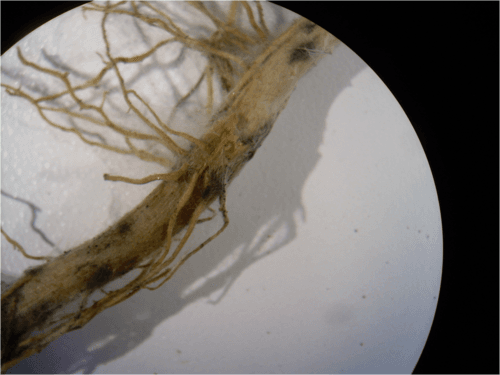
- You can gently dig a small hole near the root zone to inspect the roots. Healthy roots are firm and light colored, while rotting roots are mushy, dark, and often smell bad.
- Should I use a fungicide for root rot?
- Fungicides are rarely effective for established root rot in trees. The best approach is to fix the drainage and watering habits to allow the tree to recover on its own.
More problems with Chokecherry
- Why are there silken nests in my Chokecherry?
- What are these black, warty growths on my Chokecherry?
- Why is my Chokecherry drooping?
- Why are my chokecherry leaves turning yellow?
- Why are my chokecherry leaves getting brown tips?
- Why is my chokecherry losing its leaves?
- Why is my chokecherry not flowering?
- Why are my chokecherry leaves curling?
This article was generated with AI on from the plant’s care profile and is general information, not horticultural advice. Read about how we build these guides.