 Pocket Botanist

Check these first
- Observe if water pools around the base of the tree after a rain.
- Dig a small hole near the drip line to check if the soil remains muddy for days.
- Look for yellowing leaves that appear despite regular watering.
Likely causes
Poor soil drainage
Most likelyHow to tell: The foliage looks wilted or yellow even when the soil is wet, and the tree may show stunted growth.
What to do: Improve the soil structure by adding organic matter like compost to the surrounding area. If the tree is in a low spot, consider transplanting it to a slightly elevated mound to encourage drainage.
Overwatering
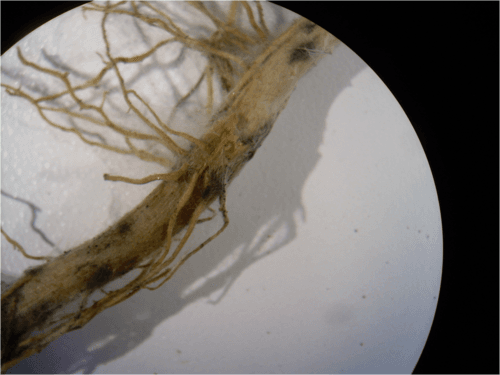
PossibleHow to tell: The soil stays soggy for long periods, and the base of the trunk may feel soft or smell slightly sour.
What to do: Adjust your watering schedule to every 7 to 14 days, allowing the top few inches of soil to dry out between waterings. Stop watering if the ground is already saturated from rainfall.
Find out what's wrong with your cherry plum
The list above covers the usual causes. Pocket Botanist looks at a photo of your actual plant and tells you the likely cause, how serious it is, and what to try first. Identification and a health check are free.



Scan with your phone's camera to get the app
Or go to pocketbotanist.app/get on your phone
When to worry
Root rot is a serious condition that can kill a tree if the roots are completely decayed. If the tree is leaning or the bark at the base is peeling away, the damage may be too far gone.
Stopping it coming back
Always plant your cherry plum in well draining soil and avoid piling mulch directly against the trunk, which can trap excess moisture.
Cherry plum: root rot? Check yours with a photo
Every plant is a little different. Take a photo of your cherry plum and Pocket Botanist tells you which cause is most likely, how serious it is, and what to try first. A few checks a day are free. Save the plant and you get care reminders timed for it.
Scan with your phone's camera to get the app
Or go to pocketbotanist.app/get on your phone
Get the app · Or check it from a photo now, free
Questions people ask
- Can I save a cherry plum with root rot?
- If you catch it early, you can save the tree by improving drainage and reducing water. If the roots are black and mushy, the tree is likely beyond recovery.
- Does my cherry plum need fertilizer to recover?
- Do not fertilize a tree suffering from root rot, as this can stress the roots further. Focus entirely on soil aeration and proper moisture management first.
More problems with Cherry plum
This article was generated with AI on from the plant’s care profile and is general information, not horticultural advice. Read about how we build these guides.