 Pocket Botanist
Plant guide
Mock strawberry.
Potentilla indica
Pronounced po-ten-TIL-uh IN-di-kuh
Also known as False Strawberry, Indian Strawberry, Indian-strawberry, Mock Strawberry, Wild Strawberry, Yellow Strawberry, Yellow-Flowered Strawberry, Yellow-flower-strawberry



Scan with your phone's camera to get the app
Or go to pocketbotanist.app/get on your phone

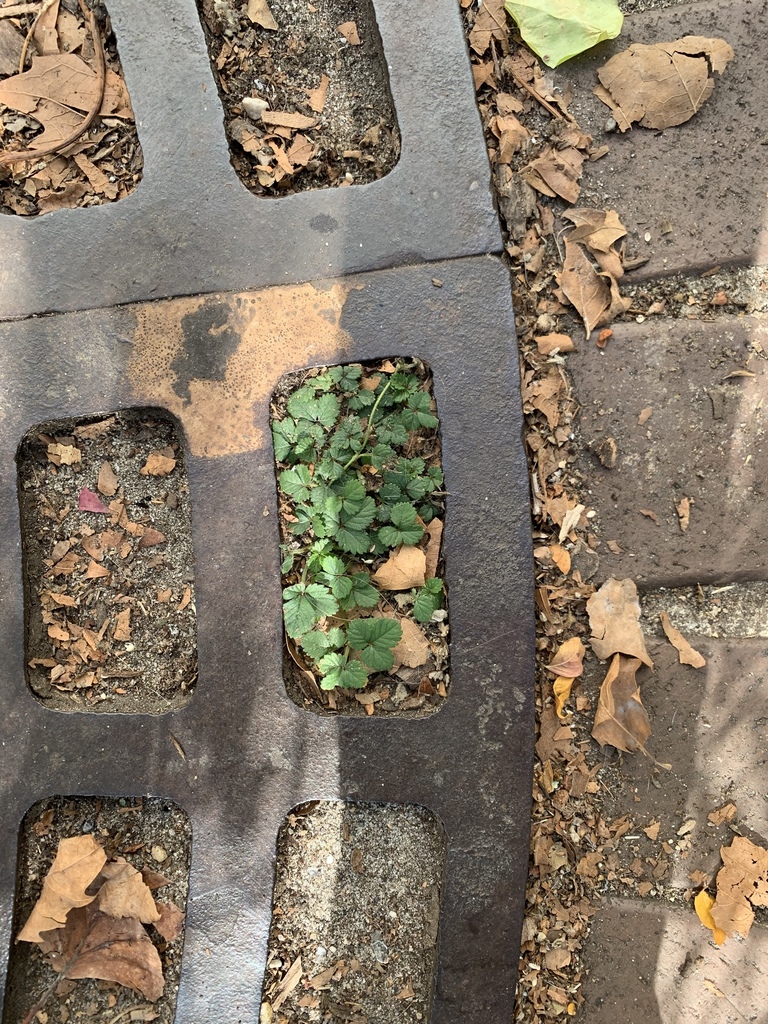
This charming groundcover looks just like a wild strawberry but produces tasteless red fruit. It spreads quickly through runners, making it a great choice for filling in bare spots in your garden. You will love its bright yellow flowers that pop against the deep green foliage.
At a glance
- Care level
- Easy
- Plant type
- Perennial groundcover
- Light
- Partial shade to full sun
- Indoor light
- Bright indirect
- Water
- Every 3 to 7 days
- Mature size
- 6 inches tall
- Growth rate
- Fast
- Hardiness
- USDA 5 to 9
- Bloom time
- Mid spring to early autumn
Care
Keep the soil consistently moist but not waterlogged to encourage healthy growth. Watch for yellowing leaves which often signal that the soil is staying too wet for too long. It is a vigorous grower, so keep an eye on it to make sure it does not crowd out your other plants.
- Watering
- Water whenever the top inch of soil feels dry to the touch.
- Feeding
- Apply a balanced liquid fertilizer every two months during the growing season.
- Pruning
- Trim back runners if the plant starts spreading into areas where you do not want it.
- Repotting
- Repot once the plant becomes root bound or if you notice growth slowing down significantly.
- Soil
- Well draining loamy soil
- Soil pH
- 6.0 to 7.5
- Temperature
- -29 to 35°C
- Humidity
- 40 to 70%
- Drought tolerance
- Moderate
- Lifespan
- Perennial, typically 3 to 5 years.
- Deer and rabbits
- Moderate
Signs it needs repotting
- Roots growing out of drainage holes.
- Plant growth slows significantly.
- Soil dries out very quickly.
Safety
- People
- The plant is not considered toxic to humans.
- Pets
- This plant is generally considered non toxic to cats and dogs.
- Children
- The small red fruits may pose a choking hazard to small children if ingested.
- Contact allergens
- No specific skin irritants are known.
- Airborne allergens
- Pollen may cause mild reactions in sensitive individuals during the flowering season.
- Edibility
- While the fruit is technically edible, it is often considered flavorless or mealy and is not typically consumed.
How to identify it
- Three leaflets with serrated edges
- Small bright yellow flowers
- Red berry like fruits
- Spreads via creeping runners
- Height
- 0.05 to 0.15m
- Spread
- 0.3 to 1m
- Leaves
- green, semi-evergreen
- Flowers
- yellow, 1 to 2cm
- Fruit
- red, Summer to autumn
Problems to watch for
- AphidsCommon
- Leaf SpotCommon
- Root RotUncommon
- Slugs and SnailsUncommon
Check your mock strawberry from a photo
Pocket Botanist looks at a photo of your plant and tells you what's wrong and what to try first.
Scan with your phone's camera to get the app
Or go to pocketbotanist.app/get on your phone
Growing it
- Propagation
- division, seed, runners
- When to plant
- spring, autumn
- Overwintering
- In colder regions, the foliage may die back significantly. Simply clear away dead debris in early spring to encourage fresh growth.
- In containers
- It grows well in hanging baskets or containers where its trailing runners can cascade over the sides.
Division
- 1. Dig up a section of the plant in spring.
- 2. Separate the rooted runners from the main clump.
- 3. Replant immediately in moist soil.
Plant this in areas where you want a dense, low maintenance ground cover that can outcompete weeds.
Grows well with
Similar species
- Wild Strawberry · Often confused due to similar leaf shape, but has white flowers and delicious fruit.
Science
- Family
- Rosaceae
- Genus
- Potentilla
- Order
- Rosales
- Class
- Magnoliopsida
- Native range
- Eastern and southern Asia.
- Conservation
- It is considered an invasive species in some regions, so check local regulations before planting.
It colonizes disturbed areas and forest edges by rooting at the nodes of its spreading stems.
- Value to wildlife
- nectar source, ground cover habitat
- Pollinators
- bees, butterflies
- Uses
- ground cover, rock garden plant, container filler
Through the year
Ecological indicators
- Salinity
- 2/9
- Soil reaction
- 6/9
- Light
- 4/9
- Temperature
- 5/9
- Moisture
- 6/9
- Nutrients
- 5/9
Taxonomy resolved against GBIF.
Questions people ask
- Is this a real strawberry?
- No, it is a mock strawberry and is not closely related to the garden strawberry.
- Will it take over my garden?
- Yes, it spreads very aggressively and can become a nuisance if not contained.
Where the name comes from
The genus name Potentilla comes from the Latin word for powerful, referring to the medicinal properties of some species, while indica refers to its origin in India.
Good to know
- It is commonly called mock strawberry.
- The plant spreads rapidly via long, rooting runners.
- It is native to eastern and southern Asia.
- It thrives in shade where other ground covers struggle.
Keep your mock strawberry growing
This page is a general guide. Save your plant in Pocket Botanist and you get care reminders timed for this plant, plus a care history that shows what worked.
Scan with your phone's camera to get the app
Or go to pocketbotanist.app/get on your phone
This guide was generated with AI on and checked against GBIF taxonomy. It is general information, not horticultural or veterinary advice. Read about how we build these guides.