 Pocket Botanist

Check these first
- Check the water level to ensure the roots are fully submerged.
- Inspect the leaves for signs of pests or fungal growth.
- Test the water for high levels of chlorine or salt.
Likely causes
Nutrient deficiency
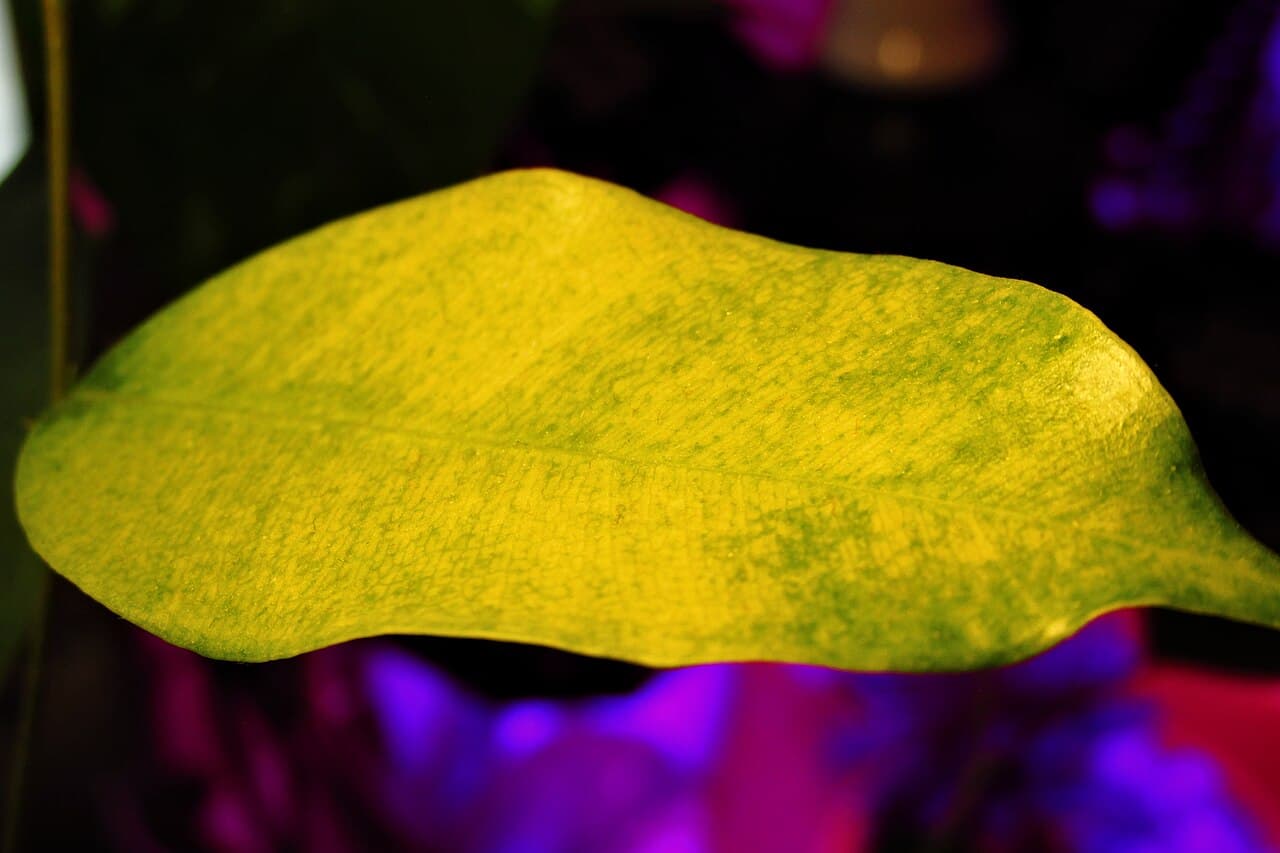
Most likelyHow to tell: Older leaves turn yellow while the veins stay green, or the whole plant looks pale.
What to do: Add an aquatic plant fertilizer tablet into the soil or container. Use one tablet per gallon of water once every 4 to 6 weeks during the growing season.
Water quality issues
PossibleHow to tell: Yellowing occurs alongside murky or foul smelling water.
What to do: Change 50 percent of the water in your container. Ensure the water is fresh and free of excess debris or decaying organic matter.
Find out what's wrong with your pickerelweed
The list above covers the usual causes. Pocket Botanist looks at a photo of your actual plant and tells you the likely cause, how serious it is, and what to try first. Identification and a health check are free.



Scan with your phone's camera to get the app
Or go to pocketbotanist.app/get on your phone
When to worry
It is normal for the oldest, lowest leaves to yellow and die back as the plant grows. Worry if the yellowing spreads rapidly to the new, upper foliage.
Stopping it coming back
Feed your plant regularly during the spring and summer months and keep the water clean.
Pickerelweed: yellow leaves? Check yours with a photo
Every plant is a little different. Take a photo of your pickerelweed and Pocket Botanist tells you which cause is most likely, how serious it is, and what to try first. A few checks a day are free. Save the plant and you get care reminders timed for it.
Scan with your phone's camera to get the app
Or go to pocketbotanist.app/get on your phone
Get the app · Or check it from a photo now, free
Questions people ask
- Can I use regular houseplant fertilizer?
- No, regular fertilizer can harm aquatic life and pollute the water. Always use specialized aquatic plant fertilizer.
- Does too much sun cause yellowing?
- Pickerelweed loves full sun, so it is rarely the cause. If the leaves look bleached, it might be a lack of nutrients rather than light.
More problems with Pickerelweed
Back to the Pickerelweed guide
This article was generated with AI on from the plant’s care profile and is general information, not horticultural advice. Read about how we build these guides.