 Pocket Botanist

Check these first
- Check if the soil is waterlogged or muddy.
- Look for signs of slow growth compared to previous months.
- Test your soil or check when you last applied fertilizer.
Likely causes
Nitrogen deficiency
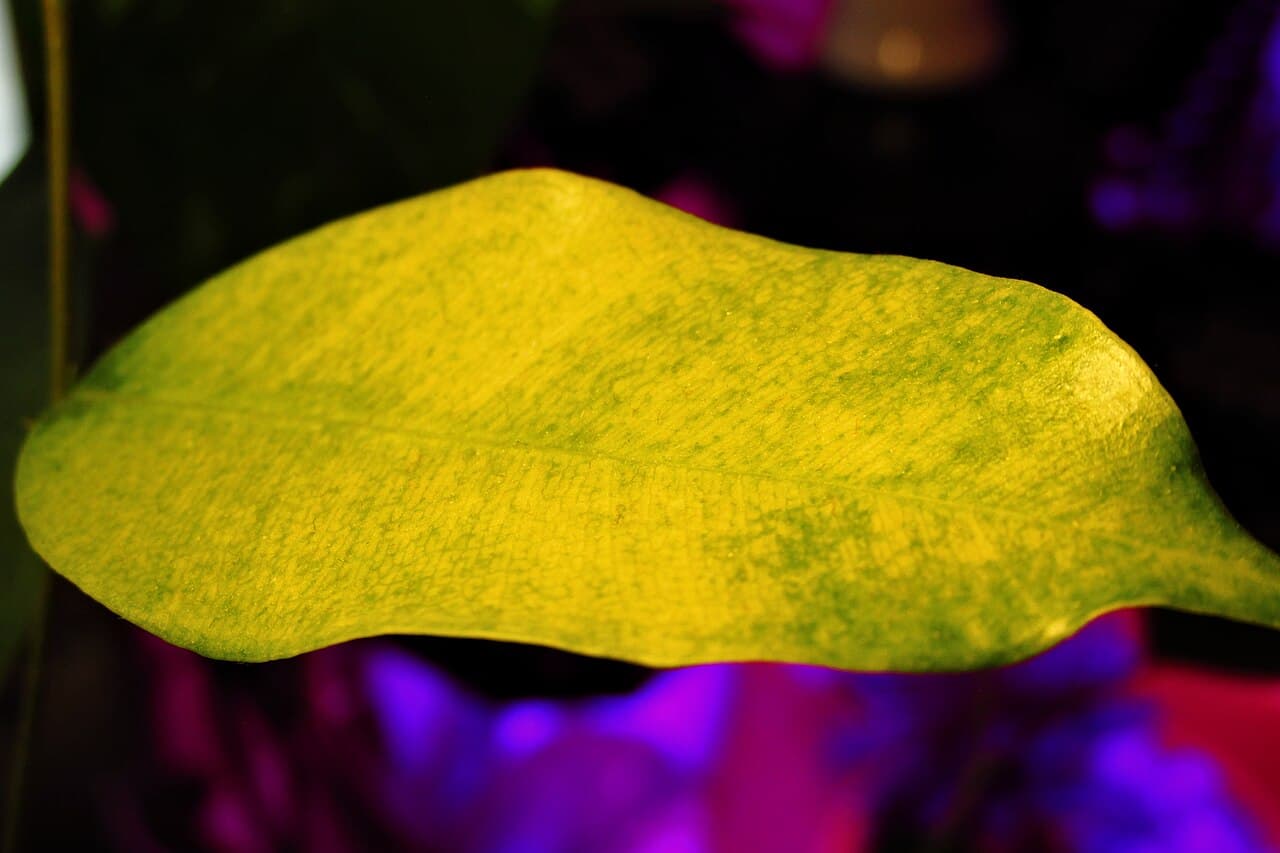
Most likelyHow to tell: The grass turns a pale, yellowish green across the entire lawn. Growth slows down significantly, and the grass looks thin.
What to do: Apply a balanced, nitrogen-rich fertilizer according to the package instructions. Water the lawn well after applying to help the nutrients reach the roots.
Poor drainage
PossibleHow to tell: The grass turns yellow in low-lying areas where water pools. The soil feels muddy or swampy for days after watering.
What to do: Aerate the soil to improve drainage and reduce compaction. If the area is very low, consider adding a thin layer of topsoil to level it out.
Find out what's wrong with your roughstalk bluegrass
The list above covers the usual causes. Pocket Botanist looks at a photo of your actual plant and tells you the likely cause, how serious it is, and what to try first. Identification and a health check are free.



Scan with your phone's camera to get the app
Or go to pocketbotanist.app/get on your phone
When to worry
A few yellow blades are normal as the grass cycles through growth. Worry if large sections of the lawn turn yellow or if the grass starts to rot at the base.
Stopping it coming back
Feed your lawn regularly with a balanced fertilizer and ensure the soil has good drainage to prevent water from sitting around the roots.
Roughstalk bluegrass: yellow leaves? Check yours with a photo
Every plant is a little different. Take a photo of your roughstalk bluegrass and Pocket Botanist tells you which cause is most likely, how serious it is, and what to try first. A few checks a day are free. Save the plant and you get care reminders timed for it.
Scan with your phone's camera to get the app
Or go to pocketbotanist.app/get on your phone
Get the app · Or check it from a photo now, free
Questions people ask
- Can too much water cause yellowing?
- Yes, overwatering can drown the roots and cause yellowing. Always check that the soil is damp but not swampy.
- How often should I fertilize?
- Follow the instructions on your specific fertilizer product, but generally, a light feeding in the spring and fall is sufficient.
More problems with roughstalk bluegrass
- Why does my roughstalk bluegrass have spots?
- Why is my Poa trivialis drooping?
- Why are the tips of my roughstalk bluegrass turning brown?
- Are there pests on my Poa trivialis?
- Why is my Poa trivialis suffering from root rot?
- Why is my Poa trivialis looking thin and leggy?
- Why are the blades of my Poa trivialis curling?
Back to the roughstalk bluegrass guide
This article was generated with AI on from the plant’s care profile and is general information, not horticultural advice. Read about how we build these guides.