 Pocket Botanist
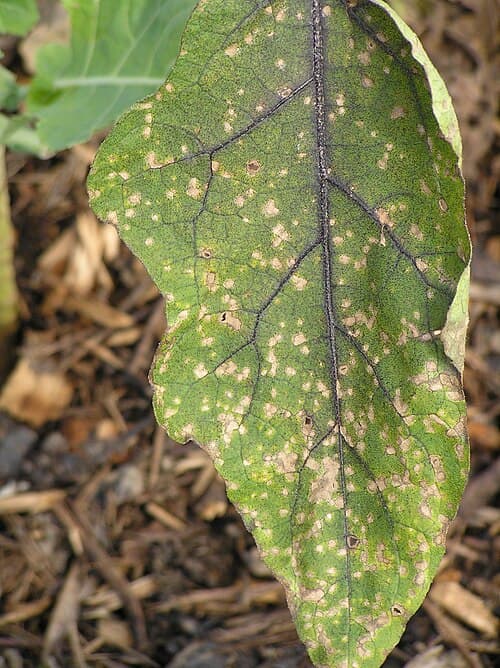

Check these first
- Inspect the grass for small, sunken, circular patches.
- Check if the grass stays wet for long periods during the night.
- Look for dark or purple lesions on individual blades.
Likely causes
Dollar spot fungus
Most likelyHow to tell: You will see small, circular, sunken patches of grass that turn straw colored or bleached. These spots often appear during warm, humid days followed by cool nights.
What to do: Apply a fungicide labeled for dollar spot if the infection is widespread. Improve air circulation by thinning out nearby plants or pruning overhanging branches. Avoid watering in the late evening so the grass blades stay dry overnight.
Leaf spot disease
PossibleHow to tell: Small, dark brown or purple spots appear on the blades, often with a yellow halo. This usually happens when the grass stays wet for too long.
What to do: Remove the affected clippings after mowing to stop the spread. Water early in the morning so the sun can dry the blades quickly. Increase the mowing height slightly to reduce stress on the grass.
Find out what's wrong with your roughstalk bluegrass
The list above covers the usual causes. Pocket Botanist looks at a photo of your actual plant and tells you the likely cause, how serious it is, and what to try first. Identification and a health check are free.



Scan with your phone's camera to get the app
Or go to pocketbotanist.app/get on your phone
When to worry
Worry if the spots start merging into large, dead patches that cover a significant portion of your lawn. Small, isolated spots are manageable with better airflow and careful watering.
Stopping it coming back
Keep your lawn well aerated and avoid overwatering in the evening to prevent the moisture buildup that fungi love.
Roughstalk bluegrass: spots? Check yours with a photo
Every plant is a little different. Take a photo of your roughstalk bluegrass and Pocket Botanist tells you which cause is most likely, how serious it is, and what to try first. A few checks a day are free. Save the plant and you get care reminders timed for it.
Scan with your phone's camera to get the app
Or go to pocketbotanist.app/get on your phone
Get the app · Or check it from a photo now, free
Questions people ask
- Can I just mow over the spots?
- Mowing can spread the fungus to healthy parts of your lawn. It is better to rake up clippings from infected areas and dispose of them in the trash.
- Will the grass recover on its own?
- With proper care and drier conditions, the grass can often recover. If the damage is severe, you may need to overseed the bare patches once the fungus is under control.
Guides to these causes
More problems with roughstalk bluegrass
- Why is my roughstalk bluegrass turning yellow?
- Why is my Poa trivialis drooping?
- Why are the tips of my roughstalk bluegrass turning brown?
- Are there pests on my Poa trivialis?
- Why is my Poa trivialis suffering from root rot?
- Why is my Poa trivialis looking thin and leggy?
- Why are the blades of my Poa trivialis curling?
Back to the roughstalk bluegrass guide
This article was generated with AI on from the plant’s care profile and is general information, not horticultural advice. Read about how we build these guides.