 Pocket Botanist
Plant guide
Sandberg bluegrass.
Poa secunda
Pronounced POH-uh seh-KUN-duh
Also known as Canby's bluegrass, Nevada bluegrass, Pine bluegrass, Sandberg bluegrass, Sandberg's bluegrass, alkali bluegrass, big bluegrass, curly bluegrass



Scan with your phone's camera to get the app
Or go to pocketbotanist.app/get on your phone
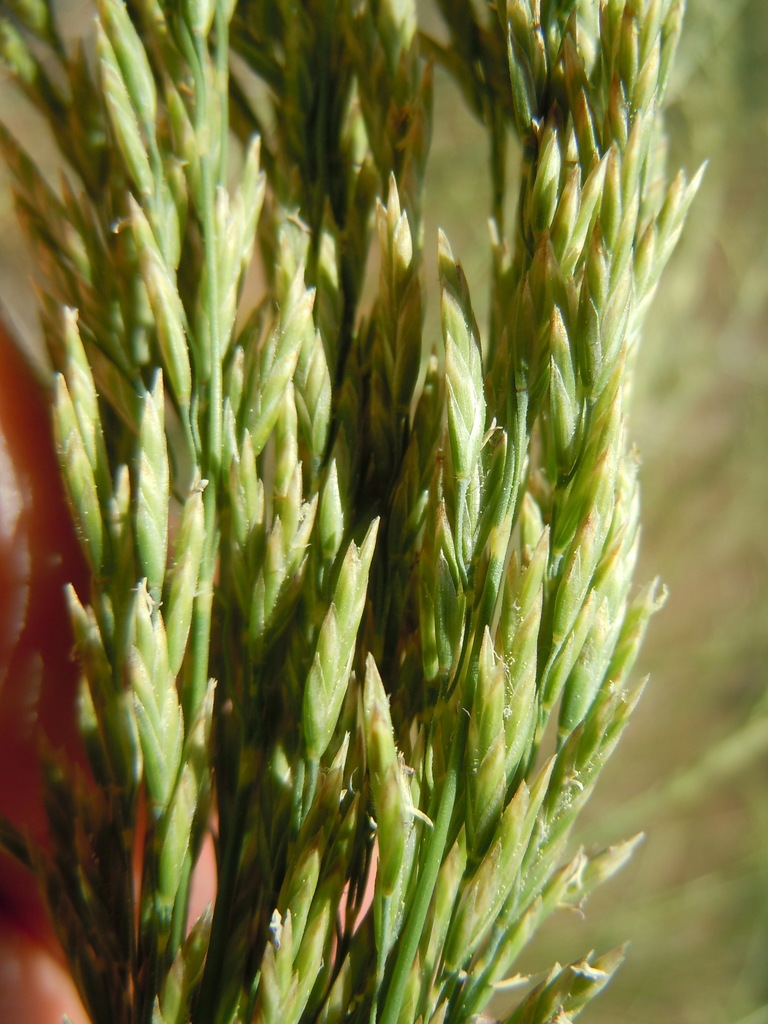
Sandberg bluegrass is a hardy, cool season bunchgrass native to western North America. It is a fantastic choice for naturalizing in dry, sunny landscapes. This grass stays compact and provides a lovely texture to meadows or rock gardens.
At a glance
- Care level
- Easy
- Plant type
- Perennial grass
- Light
- Full sun
- Indoor light
- Direct sun
- Water
- Every 7 to 14 days
- Mature size
- 1 to 2 feet
- Growth rate
- Medium
- Hardiness
- USDA 3 to 9
- Bloom time
- Late spring to early summer
Care
Plant this grass in well draining soil where it can soak up plenty of sun. It is quite drought tolerant once established, so avoid overwatering. Keep an eye out for yellowing leaves, which usually signal that the soil is staying too wet.
- Watering
- Water sparingly once established, allowing the soil to dry out completely between sessions.
- Feeding
- A light application of balanced fertilizer in early spring is plenty.
- Pruning
- Trim back dead foliage in late winter or early spring before new growth emerges.
- Repotting
- Only repot if the plant becomes root bound or you need to divide the clump.
- Soil
- Well draining rocky or sandy soil
- Soil pH
- 6.0 to 8.0
- Temperature
- -40 to 35°C
- Humidity
- 20 to 50%
- Drought tolerance
- High
- Lifespan
- Perennial, typically 5 to 10 years
- Deer and rabbits
- Moderate
Signs it needs repotting
- Roots growing out of drainage holes
- Water sitting on the surface
- Plant looks crowded in the pot
Safety
- People
- There are no known toxic properties for humans.
- Children
- The blades can be sharp, so keep an eye on young children playing near dense clumps.
- Contact allergens
- The foliage can be sharp and may cause minor skin irritation if handled roughly.
- Airborne allergens
- The pollen can cause seasonal allergies in sensitive individuals.
- Edibility
- This grass is not intended for human consumption.
How to identify it
- Dense tufted bunchgrass growth habit
- Narrow, folded or rolled leaf blades
- Small, pale green or purplish spikelets
- Late spring to early summer flowering period
- Fibrous, shallow root system
- Height
- 0.2 to 0.6m
- Spread
- 0.15 to 0.4m
- Leaves
- green, blue-green, deciduous
- Flowers
- green, straw, 0.5 to 1.5cm
Problems to watch for
- Rust · Fungal spots may appear on leaves during periods of high humidity.
Check your sandberg bluegrass from a photo
Pocket Botanist looks at a photo of your plant and tells you what's wrong and what to try first.
Scan with your phone's camera to get the app
Or go to pocketbotanist.app/get on your phone
Growing it
- Propagation
- seed, division
- When to plant
- fall, early spring
- Overwintering
- Leave the foliage standing through winter to protect the crown, then trim back in early spring before new growth appears.
- In containers
- It grows well in containers at least 30 cm deep with very gritty, fast-draining soil.
Seed
- Sow seeds in late fall or early spring.
- Cover lightly with soil.
- Keep moist until germination.
Division
- Dig up the clump in early spring.
- Separate into smaller sections.
- Replant immediately and water well.
Group this grass with other low-water prairie plants to create a low-maintenance meadow.
Grows well with
- Common Yarrow · They share similar dry soil requirements.
- California Poppy · They both thrive in sunny, well-drained spots.
Similar species
- Kentucky Bluegrass · It is a related species but requires much more moisture.
Science
- Family
- Poaceae
- Genus
- Poa
- Order
- Poales
- Class
- Liliopsida
- Native range
- Western North America
- Conservation
- It is not currently listed as endangered or threatened.
It thrives in open, dry habitats where it survives by going dormant during the hottest, driest parts of the summer.
- Value to wildlife
- larval host plant, nesting material, seed source for birds
- Pollinators
- bees, butterflies
- Uses
- restoration planting, erosion control, ornamental bunchgrass, wildlife habitat
Through the year
Ecological indicators
- Salinity
- 2/9
- Soil reaction
- 6/9
- Light
- 8/9
- Temperature
- 5/9
- Moisture
- 2/9
- Nutrients
- 3/9
Taxonomy resolved against GBIF.
Questions people ask
- Does it need much water?
- No, it is very drought tolerant and prefers to dry out between waterings.
- Can I grow it in a pot?
- It does well in containers if they have excellent drainage.
Where the name comes from
Poa is the ancient Greek word for fodder, while secunda describes the one-sided flower clusters.
Good to know
- It is one of the first grasses to green up in the spring.
- The name secunda refers to the one-sided arrangement of the spikelets.
- It is incredibly drought tolerant once established.
Also in
Keep your sandberg bluegrass growing
This page is a general guide. Save your plant in Pocket Botanist and you get care reminders timed for this plant, plus a care history that shows what worked.
Scan with your phone's camera to get the app
Or go to pocketbotanist.app/get on your phone
This guide was generated with AI on and checked against GBIF taxonomy. It is general information, not horticultural or veterinary advice. Read about how we build these guides.