 Pocket Botanist

Check these first
- Observe the amount of direct sun the plant receives each day.
- Feel the soil to see if it is staying wet for more than two weeks.
- Check the base of the stems for signs of rot or mushiness.
Likely causes
Insufficient light
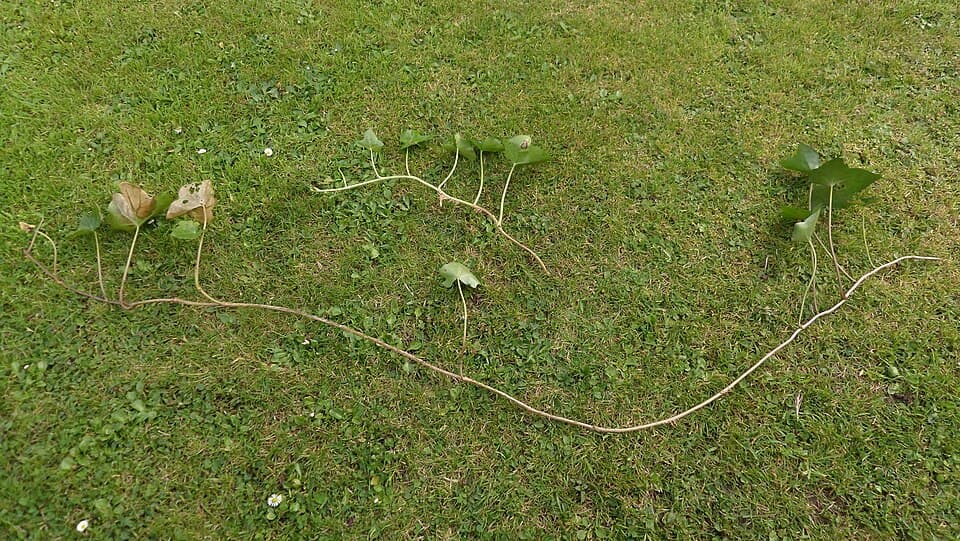
PossibleHow to tell: The stems stretch out and look thin or pale as they reach for a light source. The plant will lose its compact, bunching habit.
What to do: Move the pot to a spot that receives at least 6 to 8 hours of direct sun daily. If growing indoors, place it directly in a south facing window. Avoid shaded corners or areas under porch overhangs.
Overwatering
PossibleHow to tell: The base of the plant may look mushy or weak, and the growth becomes floppy rather than upright. Check if the soil stays damp for too long between waterings.
What to do: Allow the soil to dry out completely before adding more water. Stick to a schedule of every 7 to 14 days depending on the heat. Ensure your container has drainage holes to prevent water from pooling at the roots.
Find out what's wrong with your sandberg bluegrass
The list above covers the usual causes. Pocket Botanist looks at a photo of your actual plant and tells you the likely cause, how serious it is, and what to try first. Identification and a health check are free.



Scan with your phone's camera to get the app
Or go to pocketbotanist.app/get on your phone
When to worry
Worry if the stems are collapsing or turning brown at the base. It is normal for the plant to look slightly less dense during its summer dormancy period.
Stopping it coming back
Keep the plant in a bright, sunny location and avoid overwatering to maintain its natural, tight form.
Sandberg bluegrass: leggy growth? Check yours with a photo
Every plant is a little different. Take a photo of your sandberg bluegrass and Pocket Botanist tells you which cause is most likely, how serious it is, and what to try first. A few checks a day are free. Save the plant and you get care reminders timed for it.
Scan with your phone's camera to get the app
Or go to pocketbotanist.app/get on your phone
Get the app · Or check it from a photo now, free
Questions people ask
- Can I trim back leggy stems?
- Yes, you can trim back overgrown foliage to encourage a tidier appearance. Use clean, sharp shears to cut back the stems by about one third.
- Does this plant need fertilizer?
- No, Sandberg bluegrass is adapted to poor soils and does not require fertilizer. Adding nutrients often causes weak, rapid growth that leads to legginess.
More problems with Sandberg bluegrass
- Why does my Sandberg bluegrass have spots on its leaves?
- Why are the tips of my Sandberg bluegrass turning brown?
- How do I know if my Sandberg bluegrass has root rot?
- Why are my Sandberg bluegrass leaves turning yellow?
- Why is my Sandberg bluegrass drooping?
- Why is my Sandberg bluegrass not flowering?
- Why are my Sandberg bluegrass leaves curling?
Back to the Sandberg bluegrass guide
This article was generated with AI on from the plant’s care profile and is general information, not horticultural advice. Read about how we build these guides.