 Pocket Botanist

Check these first
- Inspect the undersides of leaves for tiny insects.
- Check the stems for white, waxy deposits.
- Look for sticky residue on the foliage.
Likely causes
Cottony Cushion Scale
Most likelyHow to tell: You will see white, waxy, egg-filled sacs attached to the stems or leaf veins. The plant may also look sticky from the honeydew they secrete.
What to do: Dab the visible insects with a cotton swab soaked in rubbing alcohol. For larger infestations, spray the entire plant with horticultural oil or neem oil every 7 to 10 days until they are gone.
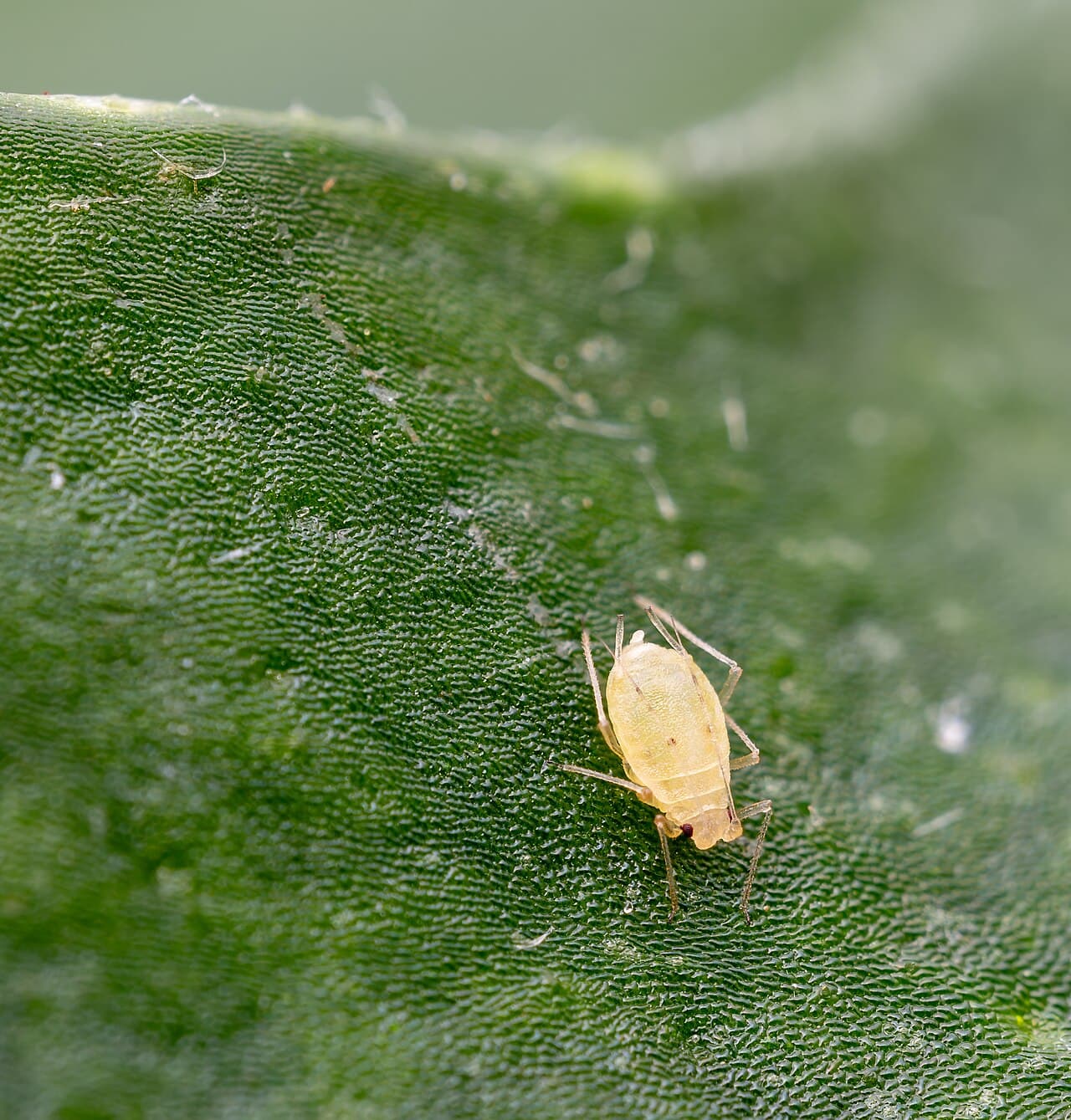
Aphids
PossibleHow to tell: Tiny green or black insects cluster on the tender new growth at the tips of branches. They cause the leaves to curl and look distorted.
What to do: Blast the pests off with a strong stream of water from your garden hose. If they persist, apply insecticidal soap directly to the affected areas once a week.
Find out what's wrong with your japanese mock orange
The list above covers the usual causes. Pocket Botanist looks at a photo of your actual plant and tells you the likely cause, how serious it is, and what to try first. Identification and a health check are free.



Scan with your phone's camera to get the app
Or go to pocketbotanist.app/get on your phone
When to worry
If the plant is covered in sticky honeydew or shows signs of stunted growth, take action immediately. A few stray insects are easy to manage, but a full colony can kill a young plant.
Stopping it coming back
Keep your plant healthy with proper watering and prune for good air circulation. Regularly inspect new growth during the spring when pests are most active.
Japanese Mock Orange: pests? Check yours with a photo
Every plant is a little different. Take a photo of your japanese mock orange and Pocket Botanist tells you which cause is most likely, how serious it is, and what to try first. A few checks a day are free. Save the plant and you get care reminders timed for it.
Scan with your phone's camera to get the app
Or go to pocketbotanist.app/get on your phone
Get the app · Or check it from a photo now, free
Questions people ask
- Will these pests kill my plant?
- If left untreated for a long time, yes. They drain the plant of nutrients and can lead to secondary fungal issues.
- Can I just wash them off?
- Yes, a strong spray of water is often enough to control minor aphid outbreaks. For scale, you usually need to follow up with oil treatments.
Guides to these causes
More problems with Japanese Mock Orange
- What are these dark spots on my Japanese Mock Orange leaves?
- Why are the leaves on my Japanese Mock Orange curling?
- Why are my Pittosporum tobira leaves turning yellow?
- Why are my Pittosporum tobira leaf tips turning brown?
- Why is my Pittosporum tobira drooping?
- Why is my Pittosporum tobira dropping leaves?
- Why is my Japanese Mock Orange not blooming?
- How do I fix root rot on my Pittosporum tobira?
- Why is my Pittosporum tobira looking leggy?
Back to the Japanese Mock Orange guide
This article was generated with AI on from the plant’s care profile and is general information, not horticultural advice. Read about how we build these guides.