 Pocket Botanist
Plant guide
Water lettuce.
Pistia stratiotes
Pronounced PIS-tee-uh stra-tee-OH-teez
Also known as Lettuce water, Nile Lettuce, Nile cabbage, Nile-cabbage, Water cabbage, Water lettuce, Nile cabbage, Shellflower, Water lettuce, Water-lettuce



Scan with your phone's camera to get the app
Or go to pocketbotanist.app/get on your phone
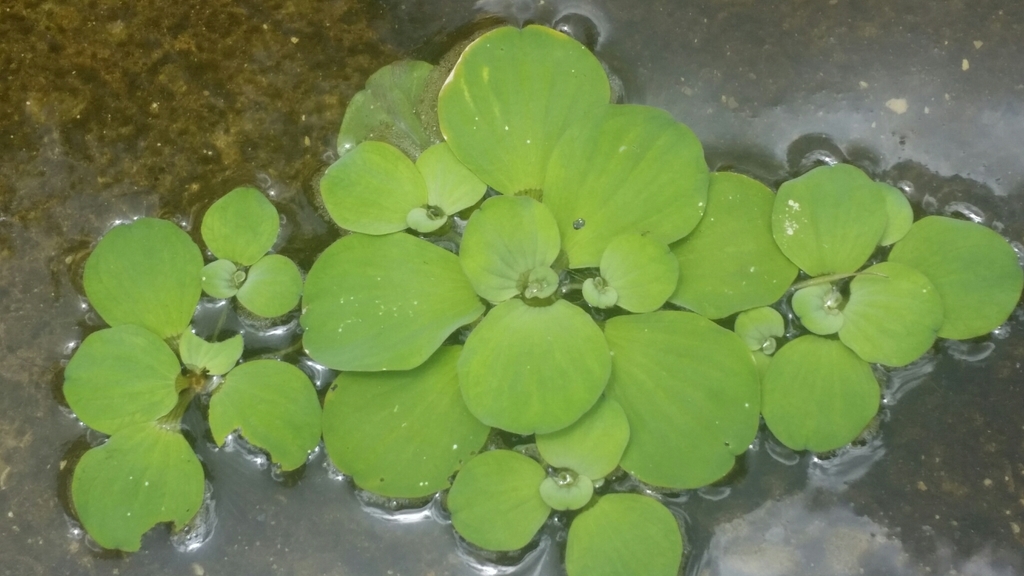
Water lettuce is a charming floating aquatic plant that looks just like a tiny head of lettuce. It grows quickly on the surface of ponds and water gardens, providing great shade for fish. You will love how its feathery roots dangle beneath the water to absorb nutrients.

At a glance
- Care level
- Easy
- Plant type
- Aquatic floating plant
- Light
- Full sun to partial shade
- Indoor light
- Bright indirect
- Water
- Every 0 days
- Mature size
- 6 to 10 inches wide
- Growth rate
- Fast
- Hardiness
- USDA 9 to 11
- Bloom time
- Mid to late summer
Care
Keep this plant in a sunny spot with plenty of nutrients in the water. Watch for yellowing leaves, which often signal a lack of nutrients or too much direct sun. Since it spreads rapidly, you will need to thin it out regularly to keep your water surface clear.
- Watering
- This plant lives directly in the water and does not require manual watering.
- Feeding
- If the water is low in nutrients, use a liquid aquatic plant fertilizer once a month.
- Pruning
- Remove excess rosettes every two weeks to prevent the plant from covering the entire water surface.
- Repotting
- As a floating plant, it never needs to be repotted.
- Soil
- None, it is a free floating plant
- Soil pH
- 6.5 to 7.5
- Temperature
- 15 to 30°C
- Humidity
- 60 to 100%
- Drought tolerance
- Low
- Lifespan
- Perennial, but often grown as an annual in cooler climates.
- Deer and rabbits
- Moderate
Signs it needs repotting
- Yellowing leaves
- Overcrowding of the water surface
- Stunted growth
Safety
- People
- The plant contains calcium oxalate crystals which can cause severe mouth and throat irritation if ingested.
- Pets
- This plant contains calcium oxalate crystals and is mildly toxic to cats and dogs. Chewing the leaves can cause mouth irritation, drooling and sometimes vomiting.
- Children
- Keep this plant away from small children as the leaves are tempting to touch and potentially harmful if chewed.
- Contact allergens
- The foliage can cause skin irritation in sensitive individuals due to tiny hairs and potential sap contact.
- Airborne allergens
- There is no significant evidence of respiratory allergens associated with this species.
- Edibility
- Water lettuce is not considered edible and may contain calcium oxalate crystals that cause irritation.
How to identify it
- Velvety, light green rosettes
- Parallel leaf veins
- Long, feathery submerged roots
- Spongy, air filled leaf tissue
- Height
- 0.05 to 0.15m
- Spread
- 0.1 to 0.3m
- Leaves
- light green, velvety, evergreen
- Flowers
- white, pale green, 0.5 to 1cm
- Fruit
- green, Late summer
Problems to watch for
- Algae OvergrowthCommon
- AphidsCommon
- Water Lily AphidCommon
- Root RotUncommon
Check your water lettuce from a photo
Pocket Botanist looks at a photo of your plant and tells you what's wrong and what to try first.
Scan with your phone's camera to get the app
Or go to pocketbotanist.app/get on your phone
Growing it
- Propagation
- division, seed
- When to plant
- spring, summer
- Overwintering
- Bring the plants indoors to a bright, warm location in a container of water before the first frost. Keep them in a sunny spot and maintain water temperature above 15 degrees Celsius.
- In containers
- It is perfectly suited for containers, provided the water is still and nutrient rich.
Division
- 1. Identify a small offset plantlet attached to the parent.
- 2. Gently pull or snip the runner connecting the two.
- 3. Place the new plantlet in a clean area of the pond.
Ensure you provide enough open water surface for both floating and submerged plants to thrive without overcrowding.
Grows well with
- Water Hyacinth · They share similar aquatic requirements and create a lush floating display.
- Hornwort · This submerged plant helps balance oxygen levels in the same pond environment.
Similar species
- Water Hyacinth · Another common floating plant with a similar growth habit.
Science
- Family
- Araceae
- Genus
- Pistia
- Order
- Alismatales
- Class
- Liliopsida
- Native range
- Tropical and subtropical regions worldwide.
- Conservation
- It is considered an invasive weed in many warm regions and should never be released into natural waterways.
It survives by floating on the water surface and absorbing dissolved nutrients through its long, feathery root system.
- Value to wildlife
- provides shade for fish, nursery for aquatic insects
- Pollinators
- beetles
- Uses
- ornamental pond plant, water filtration, aquarium cover
Through the year
Ecological indicators
- Salinity
- 1/9
- Soil reaction
- 6/9
- Light
- 7/9
- Temperature
- 8/9
- Moisture
- 9/9
- Nutrients
- 8/9
Taxonomy resolved against GBIF.
Questions people ask
- Does it need soil?
- No, it is a free floating plant that absorbs nutrients directly from the water.
- How do I control it?
- Simply scoop out excess plants by hand to prevent them from covering the entire water surface.
Where the name comes from
Pistia comes from the Greek word for water, while stratiotes refers to a soldier, likely referencing its aggressive growth habit.
Good to know
- It is often called water cabbage due to its resemblance to a small head of lettuce.
- The roots provide excellent hiding spots for small fish and fry.
- It is one of the most widely distributed aquatic plants in the world.
- It can effectively remove excess nutrients from pond water.
Also in
Keep your water lettuce growing
This page is a general guide. Save your plant in Pocket Botanist and you get care reminders timed for this plant, plus a care history that shows what worked.
Scan with your phone's camera to get the app
Or go to pocketbotanist.app/get on your phone
This guide was generated with AI on and checked against GBIF taxonomy. It is general information, not horticultural or veterinary advice. Read about how we build these guides.