 Pocket Botanist
Plant guide
Burnet saxifrage.
Pimpinella saxifraga
Pronounced pim-pi-NEL-la sak-SI-fra-ga
Also known as Burnet-Saxifrage, Solidstem burnet saxifrage



Scan with your phone's camera to get the app
Or go to pocketbotanist.app/get on your phone
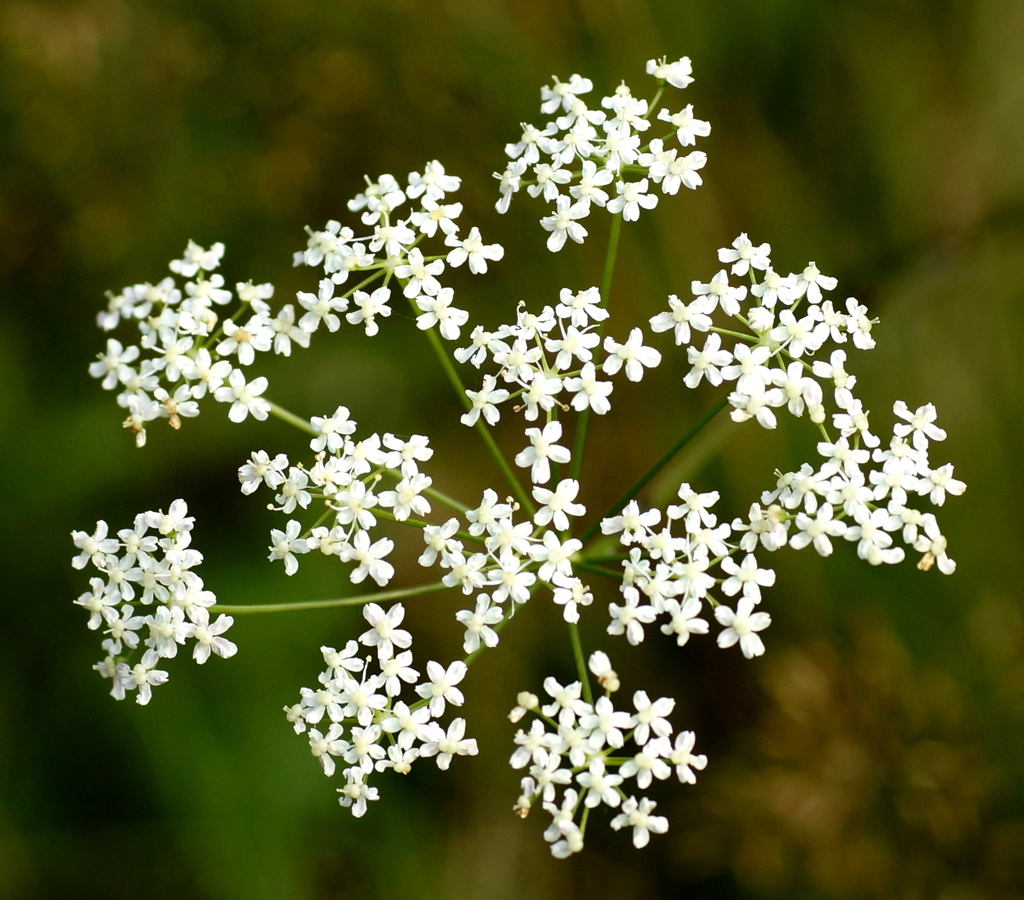
This charming perennial is a lovely addition to meadows and rock gardens. It produces delicate, lacy white flower clusters that attract plenty of pollinators. You will find it is quite hardy and adapts well to various soil conditions.
At a glance
- Care level
- Easy
- Plant type
- Perennial herb
- Light
- Full sun
- Indoor light
- Direct sun
- Water
- Every 7 to 14 days
- Mature size
- 2 feet
- Growth rate
- Medium
- Hardiness
- USDA 4 to 8
- Bloom time
- Early to late summer
Care
Plant this in a spot with good drainage to keep the roots happy. It handles dry spells well once established but hates sitting in water, so avoid overwatering. Deadhead the spent flowers to encourage a second flush of blooms.
- Watering
- Water when the top inch of soil feels dry to the touch.
- Feeding
- Apply a balanced organic fertilizer once during the spring growing season.
- Pruning
- Trim back spent flower stalks to keep the plant tidy and encourage growth.
- Repotting
- Only repot if the plant becomes root bound or needs a larger container.
- Soil
- Well drained, chalky or sandy soil
- Soil pH
- Neutral to alkaline
- Temperature
- -25 to 30°C
- Humidity
- 40 to 70%
- Drought tolerance
- High
- Lifespan
- Perennial, typically 3 to 5 years.
- Deer and rabbits
- Moderate
Signs it needs repotting
- Roots growing out of drainage holes
- Water running straight through the pot
Safety
- People
- The plant is generally considered safe, but contact with sap can cause photosensitivity in some individuals.
- Children
- The plant is not inherently dangerous, but children should be supervised to prevent accidental ingestion of misidentified wild plants.
- Contact allergens
- Handling the foliage can cause skin irritation or rashes in sensitive people due to furanocoumarins.
- Airborne allergens
- Pollen may cause mild reactions in those with severe hay fever.
- Edibility
- Do not consume if you cannot positively identify this plant, as it resembles toxic members of the Apiaceae family.
How to identify it
- Lacy white umbel flower clusters
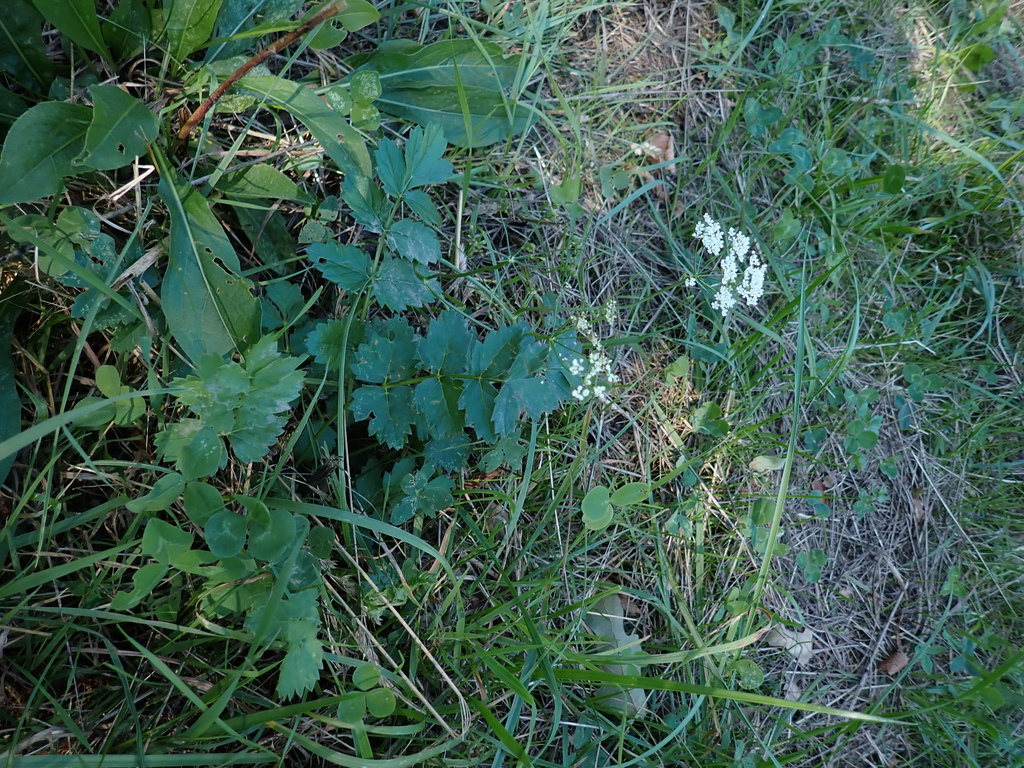
- Pinnate leaves with serrated edges
- Slender, branched flowering stems
- Basal rosette of foliage
- Height
- 0.3 to 0.6m
- Spread
- 0.2 to 0.4m
- Leaves
- green, deciduous
- Flowers
- white, 0.2 to 0.5cm
- Fruit
- brown, Autumn
Problems to watch for
- Aphids · Small insects that cluster on flower stems and suck plant sap.
- Powdery mildew · A fungal growth that appears as white dust on leaves during humid weather.
Check your burnet saxifrage from a photo
Pocket Botanist looks at a photo of your plant and tells you what's wrong and what to try first.
Scan with your phone's camera to get the app
Or go to pocketbotanist.app/get on your phone
Growing it
- Propagation
- seed
- When to plant
- spring, autumn
- Overwintering
- Cut back dead foliage in late autumn to keep the crown tidy. It is fully hardy and requires no special protection during winter.
- In containers
- It grows well in containers if provided with excellent drainage and a deep pot.
Seed Sowing
- 1. Collect seeds in late summer once they turn brown.
- 2. Sow seeds directly into prepared soil in autumn.
- 3. Keep the soil lightly moist until germination occurs in spring.
Plant this alongside other drought-tolerant meadow flowers to create a low-maintenance pollinator habitat.
Grows well with
- Wild Thyme · They share similar requirements for sunny, well-drained soil.
- Common Yarrow · Both are excellent for supporting local pollinator populations.
Similar species
- Greater Burnet Saxifrage · It is a larger relative that prefers slightly damper conditions.
Science
- Family
- Apiaceae
- Genus
- Pimpinella
- Order
- Apiales
- Class
- Magnoliopsida
- Native range
- Europe and parts of Western Asia.
- Conservation
- It is not currently of conservation concern and is common throughout its range.
It is a resilient plant that thrives in dry grasslands, rocky slopes, and meadows by tolerating nutrient-poor soils.
- Value to wildlife
- nectar source, larval host plant
- Pollinators
- bees, butterflies, beetles
- Uses
- culinary herb, pollinator garden, meadow planting
Through the year
Ecological indicators
- Salinity
- 1/9
- Soil reaction
- 7/9
- Light
- 7/9
- Temperature
- 5/9
- Moisture
- 4/9
- Nutrients
- 3/9
Taxonomy resolved against GBIF.
Questions people ask
- Is burnet saxifrage easy to grow?
- Yes, it is quite hardy and thrives in well-drained, sunny spots.
- Does it need much water?
- It prefers moderate moisture but handles dry spells well once established.
Where the name comes from
Pimpinella is likely derived from the Latin word for pepper, referring to the taste of the roots, while saxifraga comes from the Latin for rock and to break.
Good to know
- The name saxifraga means rock breaker, referring to its ability to grow in rocky crevices.
- It has a long history of use in traditional herbal medicine.
- The roots were once used to flavor certain types of beer.
Also in
Keep your burnet saxifrage growing
This page is a general guide. Save your plant in Pocket Botanist and you get care reminders timed for this plant, plus a care history that shows what worked.
Scan with your phone's camera to get the app
Or go to pocketbotanist.app/get on your phone
This guide was generated with AI on and checked against GBIF taxonomy. It is general information, not horticultural or veterinary advice. Read about how we build these guides.