 Pocket Botanist
Plant guide
Ninebark.
Physocarpus opulifolius
Pronounced fy-so-KAR-pus o-pyoo-li-FO-lee-us
Also known as Atlantic Ninebark, Common Ninebark, Ninebark, eastern ninebark



Scan with your phone's camera to get the app
Or go to pocketbotanist.app/get on your phone
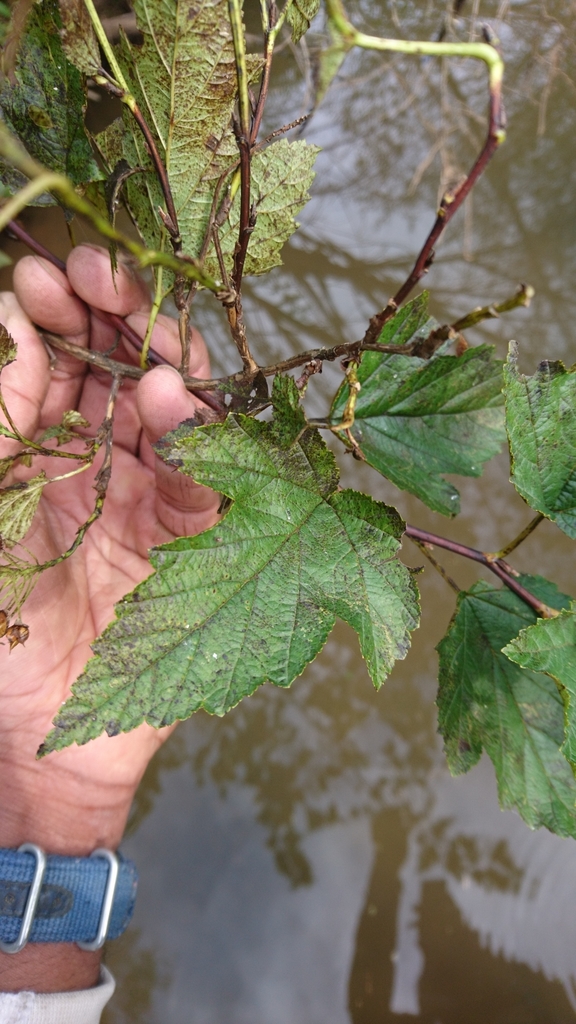
Ninebark is a hardy deciduous shrub known for its beautiful peeling bark and clusters of delicate flowers. It is a fantastic choice for adding texture and seasonal interest to your garden. You will love how it changes throughout the year.

At a glance
- Care level
- Easy
- Plant type
- Deciduous shrub
- Light
- Full sun to partial shade
- Indoor light
- Bright indirect
- Water
- Every 7 to 14 days
- Mature size
- 10 feet
- Growth rate
- Fast
- Hardiness
- USDA 2 to 7
- Bloom time
- Late spring to early summer
Care
Plant this shrub in well draining soil and provide plenty of space for it to spread. Watch for wilting leaves as a sign of thirst, and keep an eye out for powdery mildew on the foliage during humid spells. Pruning helps keep the shape tidy and encourages fresh growth.
- Watering
- Water deeply once the top inch of soil feels dry to the touch.
- Feeding
- Apply a balanced slow release fertilizer once in early spring.
- Pruning
- Prune immediately after flowering to shape the plant and remove old wood.
- Repotting
- If growing in a container, move to a larger pot every few years when roots become crowded.
- Soil
- Well draining, slightly acidic to neutral
- Soil pH
- 6.0 to 7.5
- Temperature
- -35 to 35°C
- Humidity
- 30 to 70%
- Drought tolerance
- Moderate
- Lifespan
- Perennial, typically 20 to 30 years.
- Fragrance
- Light
- Deer and rabbits
- Moderate
Signs it needs repotting
- Roots growing out of the drainage holes.
- Water running straight through the pot without soaking in.
- Stunted growth during the active season.
Safety
- People
- The plant is not considered toxic to humans, though ingestion is not recommended.
- Children
- The small, dry fruit clusters may pose a minor choking hazard to very small children.
- Contact allergens
- The foliage and stems can cause mild skin irritation in sensitive individuals.
- Airborne allergens
- The pollen may trigger mild seasonal allergies in some people.
- Edibility
- The fruit is not considered edible for humans and may cause digestive upset if consumed.
How to identify it
- Peeling papery bark in layers
- Clusters of white or pink flowers
- Three to five lobed maple like leaves
- Reddish fruit clusters in autumn
- Height
- 1.5 to 3m
- Spread
- 1.5 to 3m
- Leaves
- green, burgundy, gold, deciduous
- Flowers
- white, pink, 1 to 5cm
- Fruit
- red, brown, Late summer to autumn
Problems to watch for
- AphidsCommon
- Powdery MildewCommon
- CankerUncommon
- ChlorosisUncommon
- Leaf SpotUncommon
- Fire BlightRare
Check your ninebark from a photo
Pocket Botanist looks at a photo of your plant and tells you what's wrong and what to try first.
Scan with your phone's camera to get the app
Or go to pocketbotanist.app/get on your phone
Growing it
- Propagation
- cuttings, division, seed
- When to plant
- spring, autumn
- Overwintering
- No special winter protection is needed as this plant is very cold hardy. You can mulch around the base to help retain soil moisture if you live in a very dry climate.
- In containers
- It can grow in large containers, but it prefers being in the ground due to its mature size.
Softwood cuttings
- 1. Take 15cm cuttings in early summer.
- 2. Remove lower leaves.
- 3. Dip in rooting hormone.
- 4. Place in moist potting mix.
- 5. Keep humid until rooted.
Plant ninebark as a backdrop for smaller perennials to create a layered look in your garden beds.
Grows well with
- Coneflower · They share similar sun and water requirements while providing a nice contrast in texture.
- Switchgrass · The upright habit of the grass complements the arching branches of the ninebark.
Similar species
- Spirea · Both are members of the rose family with similar flowering habits.
- Viburnum · The leaves of the ninebark are often mistaken for those of certain viburnum species.
Science
- Family
- Rosaceae
- Genus
- Physocarpus
- Order
- Rosales
- Class
- Magnoliopsida
- Native range
- Eastern and central North America.
- Conservation
- This species is widespread and not of conservation concern.
It naturally grows along rocky banks and in thickets where it can tolerate varying moisture levels.
- Value to wildlife
- nectar source, nesting cover
- Pollinators
- bees, butterflies
- Uses
- ornamental shrub, hedging, erosion control, pollinator garden
Through the year
Ecological indicators
- Salinity
- 2/9
- Soil reaction
- 6/9
- Light
- 7/9
- Temperature
- 4/9
- Moisture
- 5/9
- Nutrients
- 5/9
Taxonomy resolved against GBIF.
Questions people ask
- How often should I prune my ninebark?
- Prune immediately after flowering to encourage new growth and maintain shape.
- Does it need full sun?
- It performs best in full sun but will tolerate partial shade, especially in hotter climates.
Where the name comes from
The genus name Physocarpus comes from the Greek words for bladder and fruit, referring to the inflated seed pods, while opulifolius means having leaves like the viburnum species Viburnum opulus.
Good to know
- Ninebark is a member of the rose family.
- It is incredibly hardy and can withstand very cold winters.
- The exfoliating bark provides winter interest even after the leaves have fallen.
- Cultivars have been bred to offer foliage in shades of purple, yellow, and orange.
Keep your ninebark growing
This page is a general guide. Save your plant in Pocket Botanist and you get care reminders timed for this plant, plus a care history that shows what worked.
Scan with your phone's camera to get the app
Or go to pocketbotanist.app/get on your phone
This guide was generated with AI on and checked against GBIF taxonomy. It is general information, not horticultural or veterinary advice. Read about how we build these guides.