 Pocket Botanist
Guía de plantas
Nueve cortezas.
Physocarpus opulifolius
Pronunciación fy-so-KAR-pus o-pyoo-li-FO-lee-us
También se conoce como Atlantic Ninebark, Common Ninebark, Ninebark, eastern ninebark


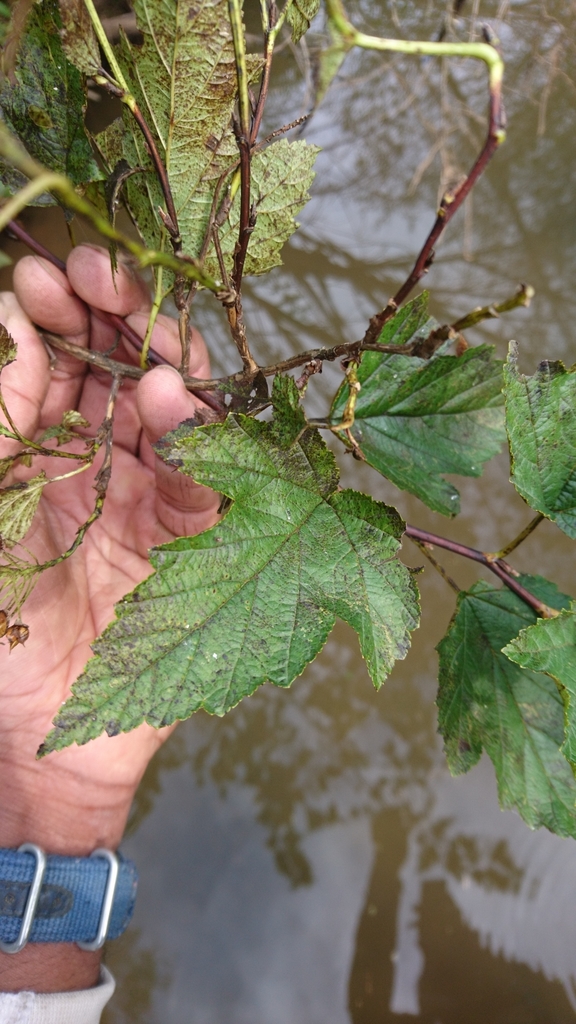
La nueve cortezas es un arbusto caducifolio resistente conocido por su hermosa corteza que se desprende en capas y sus racimos de delicadas flores. Es una opción fantástica para añadir textura e interés estacional a tu jardín. Te encantará cómo cambia a lo largo del año.

De un vistazo
- Nivel de cuidados
- Fácil
- Tipo de planta
- Arbusto caducifolio
- Luz
- Pleno sol a sombra parcial
- Luz en interior
- Luz indirecta brillante
- Riego
- Cada 7 a 14 días
- Tamaño adulto
- 10 pies
- Ritmo de crecimiento
- Rápido
- Rusticidad
- USDA 2 a 7
- Floración
- Late spring to early summer
Cuidados
Planta este arbusto en un suelo que drene bien y proporciónale mucho espacio para que se extienda. Estate atento a las hojas marchitas como señal de sed, y vigila el oídio en el follaje durante los periodos de humedad. La poda ayuda a mantener la forma ordenada y fomenta un nuevo crecimiento.
- Riego
- Riega profundamente una vez que la pulgada superior de la tierra se sienta seca al tacto.
- Abonado
- Aplica un fertilizante equilibrado de liberación lenta una vez a principios de primavera.
- Poda
- Poda inmediatamente después de la floración para dar forma a la planta y eliminar la madera vieja.
- Trasplante
- Si la cultivas en maceta, trasplántala a una maceta más grande cada pocos años cuando las raíces estén apretadas.
- Suelo
- Bien drenado, de ligeramente ácido a neutro
- pH del suelo
- 6.0 a 7.5
- Temperatura
- -35 a 35°C
- Humedad
- 30 a 70%
- Tolerancia a la sequía
- Moderada
- Longevidad
- Perennial, typically 20 to 30 years.
- Fragancia
- Suave
- Resistencia a ciervos y conejos
- Moderada
Señales de que necesita trasplante
- Roots growing out of the drainage holes.
- Water running straight through the pot without soaking in.
- Stunted growth during the active season.
Seguridad
- Personas
- The plant is not considered toxic to humans, though ingestion is not recommended.
- Niños
- The small, dry fruit clusters may pose a minor choking hazard to very small children.
- Alérgenos por contacto
- The foliage and stems can cause mild skin irritation in sensitive individuals.
- Alérgenos en el aire
- The pollen may trigger mild seasonal allergies in some people.
- Comestibilidad
- The fruit is not considered edible for humans and may cause digestive upset if consumed.
Cómo identificarla
- Corteza escamosa y papirácea en capas
- Racimos de flores blancas o rosas
- Hojas de tres a cinco lóbulos parecidas a las del arce
- Racimos de frutos rojizos en otoño
- Altura
- 1,5 a 3m
- Anchura
- 1,5 a 3m
- Hojas
- green, burgundy, gold, deciduous
- Flores
- white, pink, 1 a 5cm
- Frutos
- red, brown, Late summer to autumn
Problemas frecuentes
- Powdery mildew — A fungal infection that creates a white, dusty coating on the leaves during humid weather.
- Aphids — Small insects that cluster on new growth and suck sap, potentially causing leaf curling.
Cómo cultivarla
- Propagación
- cuttings, division, seed
- Cuándo plantar
- spring, autumn
- Cuidados en invierno
- No special winter protection is needed as this plant is very cold hardy. You can mulch around the base to help retain soil moisture if you live in a very dry climate.
- En maceta
- It can grow in large containers, but it prefers being in the ground due to its mature size.
Softwood cuttings
- 1. Take 15cm cuttings in early summer.
- 2. Remove lower leaves.
- 3. Dip in rooting hormone.
- 4. Place in moist potting mix.
- 5. Keep humid until rooted.
Plant ninebark as a backdrop for smaller perennials to create a layered look in your garden beds.
Buenas compañeras
- Purple coneflower — They share similar sun and water requirements while providing a nice contrast in texture.
- Switchgrass — The upright habit of the grass complements the arching branches of the ninebark.
Especies parecidas
- Spiraea — Both are members of the rose family with similar flowering habits.
- Viburnum — The leaves of the ninebark are often mistaken for those of certain viburnum species.
Ciencia
- Familia
- Rosaceae
- Género
- Physocarpus
- Orden
- Rosales
- Clase
- Magnoliopsida
- Distribución natural
- Eastern and central North America.
- Conservación
- This species is widespread and not of conservation concern.
It naturally grows along rocky banks and in thickets where it can tolerate varying moisture levels.
- Valor para la fauna
- nectar source, nesting cover
- Polinizadores
- abejas, mariposas
- Usos
- ornamental shrub, hedging, erosion control, pollinator garden
A lo largo del año
Indicadores ecológicos
- Salinidad
- 2/9
- Reacción del suelo
- 6/9
- Luz
- 7/9
- Temperatura
- 4/9
- Humedad
- 5/9
- Nutrientes
- 5/9
Taxonomía cotejada con GBIF.
Lo que más preguntan
- How often should I prune my ninebark?
- Prune immediately after flowering to encourage new growth and maintain shape.
- Does it need full sun?
- It performs best in full sun but will tolerate partial shade, especially in hotter climates.
De dónde viene el nombre
The genus name Physocarpus comes from the Greek words for bladder and fruit, referring to the inflated seed pods, while opulifolius means having leaves like the viburnum species Viburnum opulus.
Bueno saberlo
- Ninebark is a member of the rose family.
- It is incredibly hardy and can withstand very cold winters.
- The exfoliating bark provides winter interest even after the leaves have fallen.
- Cultivars have been bred to offer foliage in shades of purple, yellow, and orange.
¿Tu nueve cortezas tiene mal aspecto?
Esta página es una guía general. Pocket Botanist diagnostica problemas a partir de una foto de tu propia planta, calcula el riego según tu luz y tus condiciones, y te avisa cuando toca cuidarla.
Esta guía se ha generado con IA y se ha cotejado con la taxonomía de GBIF. Es información general, no asesoramiento botánico ni veterinario. Descubre cómo elaboramos estas guías.