 Pocket Botanist
Guía de plantas
Switchgrass.
Panicum virgatum
Pronunciación PAN-ih-kum ver-GAY-tum
También se conoce como Blackwell Switch Grass, Old Switch Panic Grass, Switch Grass, Switchgrass, old switch panicgrass, wand panicgrass


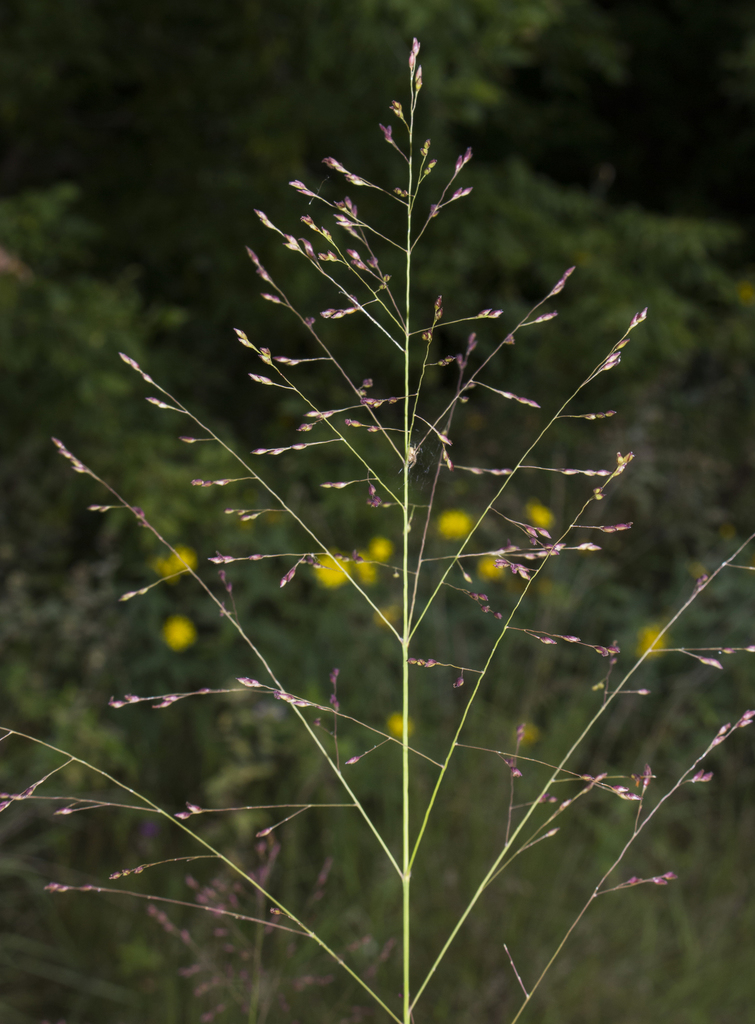
Switchgrass is a sturdy, North American prairie native that brings wonderful texture to any garden. It is a clump forming perennial grass that stands tall through the winter months. You will love how it adds movement and height to your landscape.
De un vistazo
- Nivel de cuidados
- Fácil
- Tipo de planta
- Perennial grass
- Luz
- Full sun
- Luz en interior
- Sol directo
- Riego
- Cada 7 a 14 días
- Tamaño adulto
- 3 to 6 feet
- Ritmo de crecimiento
- Rápido
- Rusticidad
- USDA 3 a 9
- Floración
- Late summer to early autumn
Cuidados
Plant this grass in a spot that gets plenty of sun to keep it from flopping over. Watch for signs of overcrowding, and trim it back once a year to keep it looking fresh. It is very adaptable to different soil types as long as it gets enough light.
- Riego
- Keep the soil consistently moist until established, then it becomes quite drought tolerant.
- Abonado
- A light application of balanced fertilizer in early spring is plenty.
- Poda
- Cut the foliage back to a few inches above the ground in late winter or early spring.
- Trasplante
- Divide the clumps every few years if the center starts to die out.
- Suelo
- Well draining loam or clay
- pH del suelo
- 5.0 to 7.5
- Temperatura
- -30 a 35°C
- Humedad
- 30 a 70%
- Tolerancia a la sequía
- Alta
- Longevidad
- Perennial, typically 10 plus years
- Resistencia a ciervos y conejos
- Alta
Señales de que necesita trasplante
- Roots growing out of the drainage holes
- Water running straight through the pot
- Stunted growth
Seguridad
- Personas
- There are no known toxic effects to humans.
- Niños
- The sharp leaf blades can cause paper-like cuts on children's skin.
- Alérgenos por contacto
- The leaf edges can be sharp and may cause minor skin abrasions.
- Alérgenos en el aire
- The pollen can trigger seasonal allergies in sensitive individuals.
- Comestibilidad
- This grass is not intended for human consumption.
Cómo identificarla
- Tall upright clump forming habit
- Fine textured blue green foliage
- Airy cloud like flower panicles
- Golden yellow fall foliage color
- Altura
- 0,9 a 2,4m
- Anchura
- 0,6 a 0,9m
- Hojas
- green, blue-green, red-tinged, deciduous
- Flores
- pink, copper, purple, 15 a 45cm
- Frutos
- tan, brown, Autumn
Problemas frecuentes
- Rust — Fungal spots appear on leaves during humid weather.
Cómo cultivarla
- Propagación
- division, seed
- Cuándo plantar
- spring, autumn
- Cuidados en invierno
- Leave the dried foliage standing through winter to provide interest and shelter for insects. Cut back to the ground in early spring.
- En maceta
- It can grow in large containers, but it prefers being in the ground to accommodate its extensive root system.
Division
- 1. Dig up the clump in early spring.
- 2. Use a sharp spade to divide the root ball into smaller sections.
- 3. Replant the sections immediately at the same depth.
Plant in groups of three or more to create a naturalistic meadow effect.
Buenas compañeras
- Purple coneflower — They share similar moisture needs and provide a nice color contrast.
- Susana de ojos negros — This pairing creates a classic prairie aesthetic.
- Blazing star — The vertical spikes of Liatris complement the airy plumes of the grass.
Especies parecidas
- Andropogon gerardii — Another tall native prairie grass with a similar growth habit.
Ciencia
- Familia
- Poaceae
- Género
- Panicum
- Orden
- Poales
- Clase
- Liliopsida
- Distribución natural
- Central and North America
- Conservación
- It is a common native species and not of conservation concern.
It thrives in open prairies and meadows where its deep root system allows it to withstand drought and fire.
- Valor para la fauna
- larval host plant, nesting material, winter food source
- Polinizadores
- abejas, mariposas
- Usos
- ornamental grass, erosion control, prairie restoration, wildlife habitat
A lo largo del año
Indicadores ecológicos
- Salinidad
- 2/9
- Reacción del suelo
- 5/9
- Luz
- 8/9
- Temperatura
- 5/9
- Humedad
- 4/9
- Nutrientes
- 3/9
Taxonomía cotejada con GBIF.
Lo que más preguntan
- When should I cut it back?
- Cut the foliage down to about 15 centimeters in late winter or early spring before new growth starts.
- Does it need fertilizer?
- No, it is adapted to poor soils and typically does not require supplemental feeding.
De dónde viene el nombre
The name Panicum comes from the Latin word for millet, while virgatum means wand-like in reference to its upright habit.
Bueno saberlo
- It is a warm-season grass that grows most vigorously in the heat of summer.
- The roots can grow as deep as the plant is tall.
- It turns a beautiful golden color in the winter.
- Switchgrass is being studied as a potential biofuel source.
También en
¿Tu switchgrass tiene mal aspecto?
Esta página es una guía general. Pocket Botanist diagnostica problemas a partir de una foto de tu propia planta, calcula el riego según tu luz y tus condiciones, y te avisa cuando toca cuidarla.
Esta guía se ha generado con IA y se ha cotejado con la taxonomía de GBIF. Es información general, no asesoramiento botánico ni veterinario. Descubre cómo elaboramos estas guías.