 Pocket Botanist
Guide botanique
Switchgrass.
Panicum virgatum
Prononciation PAN-ih-kum ver-GAY-tum
Aussi appelée Blackwell Switch Grass, Old Switch Panic Grass, Switch Grass, Switchgrass, old switch panicgrass, wand panicgrass


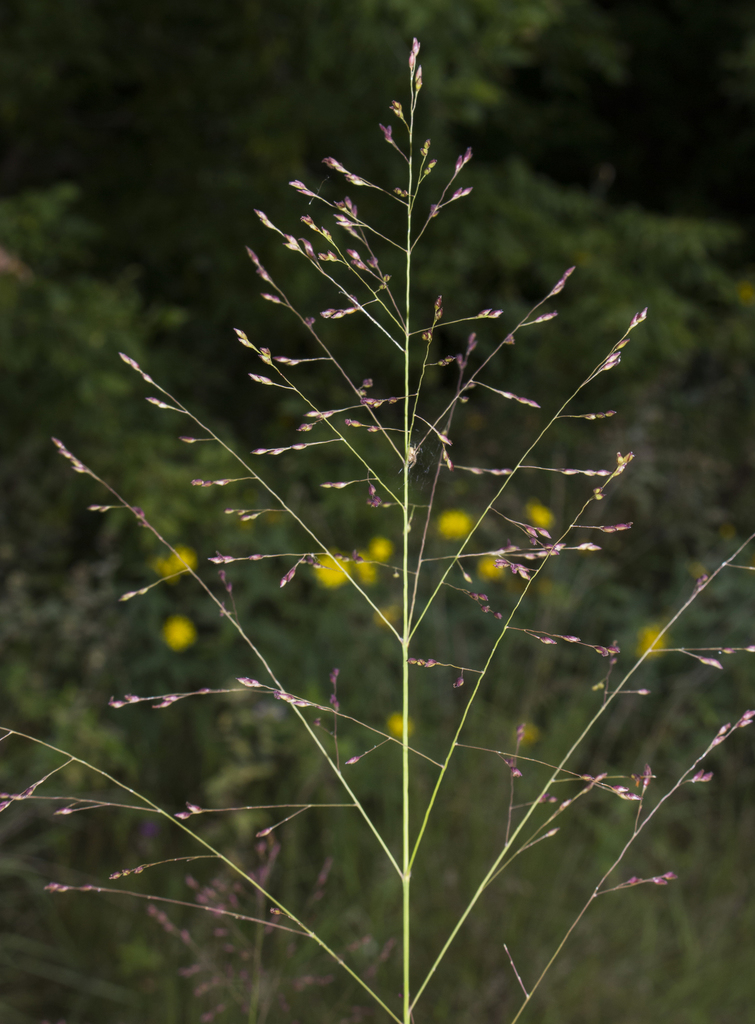
Switchgrass is a sturdy, North American prairie native that brings wonderful texture to any garden. It is a clump forming perennial grass that stands tall through the winter months. You will love how it adds movement and height to your landscape.
En un coup d'œil
- Niveau d'entretien
- Facile
- Type de plante
- Perennial grass
- Lumière
- Full sun
- Lumière en intérieur
- Soleil direct
- Arrosage
- Tous les 7 à 14 jours
- Taille adulte
- 3 to 6 feet
- Croissance
- Rapide
- Rusticité
- USDA 3 à 9
- Floraison
- Late summer to early autumn
Entretien
Plant this grass in a spot that gets plenty of sun to keep it from flopping over. Watch for signs of overcrowding, and trim it back once a year to keep it looking fresh. It is very adaptable to different soil types as long as it gets enough light.
- Arrosage
- Keep the soil consistently moist until established, then it becomes quite drought tolerant.
- Engrais
- A light application of balanced fertilizer in early spring is plenty.
- Taille
- Cut the foliage back to a few inches above the ground in late winter or early spring.
- Rempotage
- Divide the clumps every few years if the center starts to die out.
- Sol
- Well draining loam or clay
- pH du sol
- 5.0 to 7.5
- Température
- -30 à 35°C
- Humidité
- 30 à 70%
- Résistance à la sécheresse
- Élevée
- Durée de vie
- Perennial, typically 10 plus years
- Résistance aux chevreuils et lapins
- Élevée
Signes qu'il faut rempoter
- Roots growing out of the drainage holes
- Water running straight through the pot
- Stunted growth
Sécurité
- Humains
- There are no known toxic effects to humans.
- Enfants
- The sharp leaf blades can cause paper-like cuts on children's skin.
- Allergènes de contact
- The leaf edges can be sharp and may cause minor skin abrasions.
- Allergènes aéroportés
- The pollen can trigger seasonal allergies in sensitive individuals.
- Comestibilité
- This grass is not intended for human consumption.
Comment l'identifier
- Tall upright clump forming habit
- Fine textured blue green foliage
- Airy cloud like flower panicles
- Golden yellow fall foliage color
- Hauteur
- 0,9 à 2,4m
- Envergure
- 0,6 à 0,9m
- Feuilles
- green, blue-green, red-tinged, deciduous
- Fleurs
- pink, copper, purple, 15 à 45cm
- Fruits
- tan, brown, Autumn
Problèmes courants
- Rust — Fungal spots appear on leaves during humid weather.
La cultiver
- Multiplication
- division, seed
- Quand planter
- spring, autumn
- Hivernage
- Leave the dried foliage standing through winter to provide interest and shelter for insects. Cut back to the ground in early spring.
- En pot
- It can grow in large containers, but it prefers being in the ground to accommodate its extensive root system.
Division
- 1. Dig up the clump in early spring.
- 2. Use a sharp spade to divide the root ball into smaller sections.
- 3. Replant the sections immediately at the same depth.
Plant in groups of three or more to create a naturalistic meadow effect.
Bonnes associations
- Purple coneflower — They share similar moisture needs and provide a nice color contrast.
- Rudbeckia — This pairing creates a classic prairie aesthetic.
- Blazing star — The vertical spikes of Liatris complement the airy plumes of the grass.
Espèces similaires
- Andropogon gerardii — Another tall native prairie grass with a similar growth habit.
Science
- Famille
- Poaceae
- Genre
- Panicum
- Ordre
- Poales
- Classe
- Liliopsida
- Région d'origine
- Central and North America
- Préservation
- It is a common native species and not of conservation concern.
It thrives in open prairies and meadows where its deep root system allows it to withstand drought and fire.
- Intérêt pour la faune
- larval host plant, nesting material, winter food source
- Pollinisateurs
- abeilles, papillons
- Utilisations
- ornamental grass, erosion control, prairie restoration, wildlife habitat
Au fil des saisons
Repères écologiques
- Salinité
- 2/9
- Réaction du sol
- 5/9
- Lumière
- 8/9
- Température
- 5/9
- Humidité
- 4/9
- Nutriments
- 3/9
Taxonomie vérifiée avec le GBIF.
Ce qu'on demande souvent
- When should I cut it back?
- Cut the foliage down to about 15 centimeters in late winter or early spring before new growth starts.
- Does it need fertilizer?
- No, it is adapted to poor soils and typically does not require supplemental feeding.
D'où vient le nom
The name Panicum comes from the Latin word for millet, while virgatum means wand-like in reference to its upright habit.
Bon à savoir
- It is a warm-season grass that grows most vigorously in the heat of summer.
- The roots can grow as deep as the plant is tall.
- It turns a beautiful golden color in the winter.
- Switchgrass is being studied as a potential biofuel source.
Aussi dans
Ta plante a mauvaise mine ?
Cette page est un guide général. Pocket Botanist diagnostique les problèmes directement à partir d'une photo de ta plante, adapte l'arrosage à sa luminosité et te prévient quand il faut t'en occuper.
Ce guide a été généré par IA et vérifié avec la taxonomie du GBIF. Il s'agit d'informations générales, et non de conseils horticoles ou vétérinaires. Découvre comment nous concevons ces guides.