 Pocket Botanist
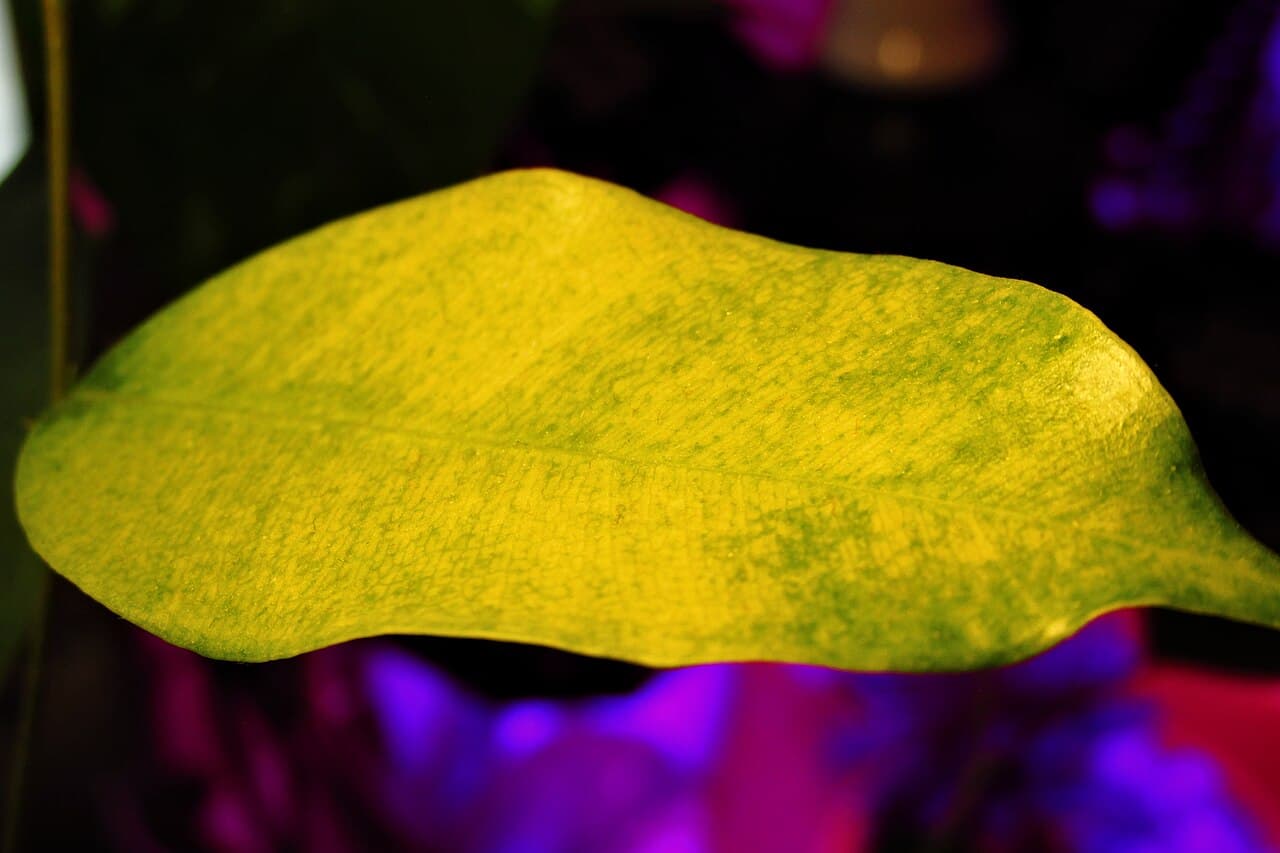

Check these first
- Check the soil moisture with your finger.
- Inspect the base of the stems for signs of rot.
- Look for yellowing on older versus newer growth.
Likely causes
Overwatering or waterlogged soil
Most likelyHow to tell: The leaves turn yellow starting from the base and the soil feels like a swamp.
What to do: Ensure the soil is damp but not sitting in standing water. If the soil is muddy, improve drainage by mixing in some sand or organic matter.
Nutrient deficiency
PossibleHow to tell: General yellowing across the plant, often appearing in older leaves first.
What to do: Apply a balanced, slow release fertilizer during the growing season. Follow the package instructions for grasses to avoid burning the roots.
Find out what's wrong with your reed canary grass
The list above covers the usual causes. Pocket Botanist looks at a photo of your actual plant and tells you the likely cause, how serious it is, and what to try first. Identification and a health check are free.



Scan with your phone's camera to get the app
Or go to pocketbotanist.app/get on your phone
When to worry
Worry if the yellowing spreads rapidly across the entire plant. A few yellowing leaves at the very bottom are normal as the plant matures.
Stopping it coming back
Keep the soil consistently moist but ensure it has enough drainage to prevent stagnant water.
Reed canary grass: yellow leaves? Check yours with a photo
Every plant is a little different. Take a photo of your reed canary grass and Pocket Botanist tells you which cause is most likely, how serious it is, and what to try first. A few checks a day are free. Save the plant and you get care reminders timed for it.
Scan with your phone's camera to get the app
Or go to pocketbotanist.app/get on your phone
Get the app · Or check it from a photo now, free
Questions people ask
- Should I cut off yellow leaves?
- Yes, you can snip them off at the base to keep the plant looking tidy. This helps the plant focus its energy on healthy growth.
- Does yellowing mean my plant is dying?
- Not necessarily. It is often just a sign that the plant needs a slight adjustment in its care routine.
More problems with Reed canary grass
Back to the Reed canary grass guide
This article was generated with AI on from the plant’s care profile and is general information, not horticultural advice. Read about how we build these guides.