 Pocket Botanist
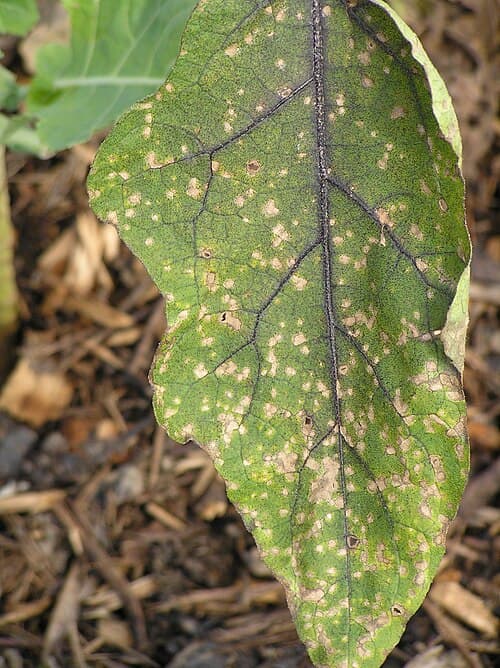

Check these first
- Examine the underside of the leaves for spores.
- Check if the spots are powdery or sunken.
- Evaluate the air circulation around the plant.
Likely causes
Rust fungus
Most likelyHow to tell: Small orange or brown powdery pustules appear on the leaf surfaces.
What to do: Remove and dispose of the affected leaves immediately to stop the spread. Improve air circulation around the plant by thinning out dense patches.
Leaf spot disease
PossibleHow to tell: Dark brown or black spots with irregular shapes appearing on the foliage.
What to do: Avoid overhead watering to keep the leaves dry. Apply a copper based fungicide if the infection persists.
Find out what's wrong with your reed canary grass
The list above covers the usual causes. Pocket Botanist looks at a photo of your actual plant and tells you the likely cause, how serious it is, and what to try first. Identification and a health check are free.



Scan with your phone's camera to get the app
Or go to pocketbotanist.app/get on your phone
When to worry
Worry if the spots cover a large portion of the foliage and cause the leaves to wither. Small, isolated spots are manageable with proper care.
Stopping it coming back
Water at the base of the plant rather than over the leaves to keep foliage dry. Provide plenty of space between plants for airflow.
Reed canary grass: spots? Check yours with a photo
Every plant is a little different. Take a photo of your reed canary grass and Pocket Botanist tells you which cause is most likely, how serious it is, and what to try first. A few checks a day are free. Save the plant and you get care reminders timed for it.
Scan with your phone's camera to get the app
Or go to pocketbotanist.app/get on your phone
Get the app · Or check it from a photo now, free
Questions people ask
- Can I save a plant with rust?
- Yes, by removing infected leaves and improving air circulation. Rust is common in grasses and usually responds well to these steps.
- Are these spots contagious to other plants?
- Fungal spores can spread through wind or water. It is best to isolate the affected plant until it recovers.
Guides to these causes
More problems with Reed canary grass
Back to the Reed canary grass guide
This article was generated with AI on from the plant’s care profile and is general information, not horticultural advice. Read about how we build these guides.