 Pocket Botanist

Check these first
- Feel the soil to see if it is waterlogged.
- Check for signs of pests on the undersides of the leaves.
- Look for signs of stunted growth.
Likely causes
Waterlogging
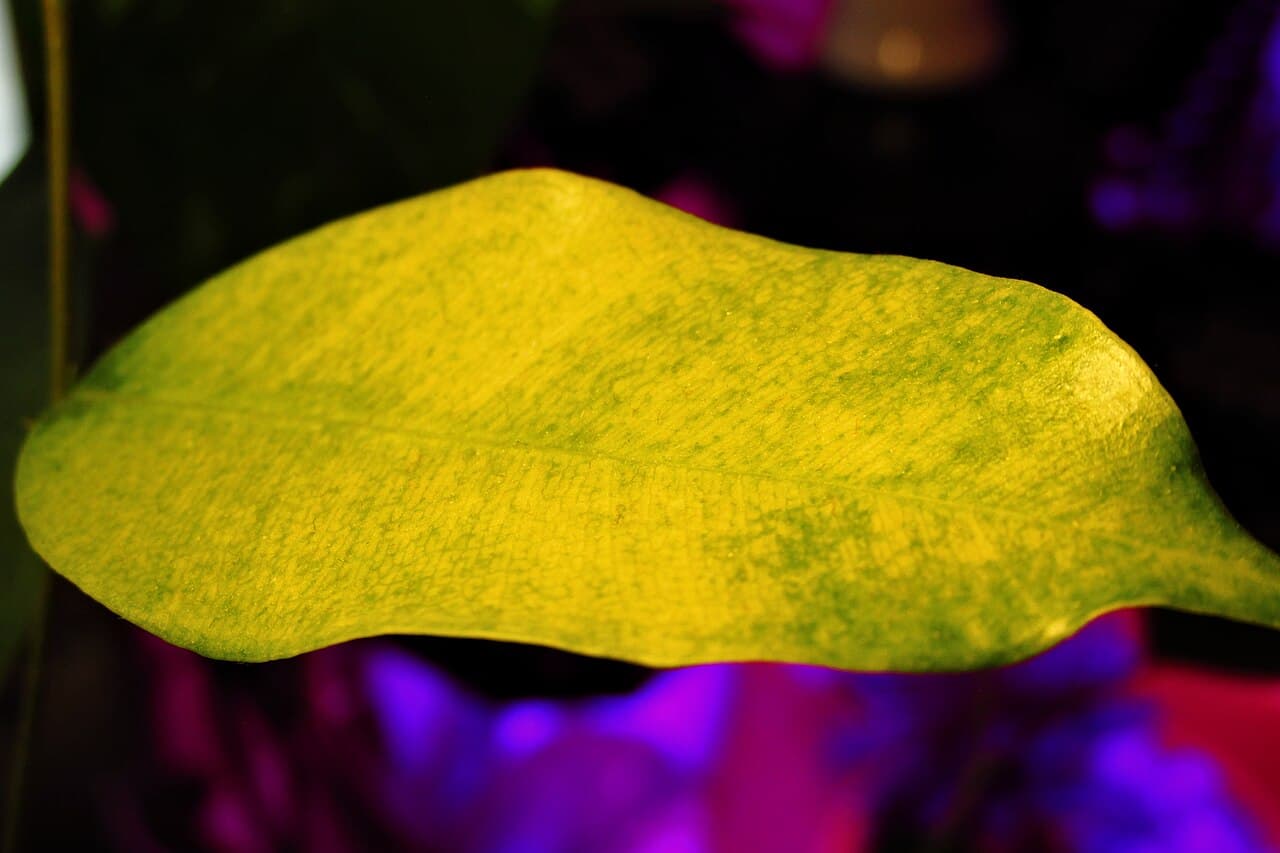
Most likelyHow to tell: Leaves turn yellow starting from the bottom of the plant. The soil feels wet and heavy.
What to do: Stop watering immediately and allow the soil to dry out. Improve drainage by adding compost to the surrounding soil.
Nitrogen deficiency
PossibleHow to tell: The leaves turn a pale, sickly yellow across the entire plant. Growth seems stunted compared to neighbors.
What to do: Apply a balanced, organic vegetable fertilizer according to the package instructions. Do not overdo it, as too much nitrogen can lead to hairy, misshapen roots.
Find out what's wrong with your parsnip
The list above covers the usual causes. Pocket Botanist looks at a photo of your actual plant and tells you the likely cause, how serious it is, and what to try first. Identification and a health check are free.



Scan with your phone's camera to get the app
Or go to pocketbotanist.app/get on your phone
When to worry
A few older, lower leaves turning yellow is normal as the plant grows. If the yellowing spreads rapidly to new growth, you need to intervene.
Stopping it coming back
Maintain consistent, deep watering once a week and ensure your soil has good drainage.
Parsnip: yellow leaves? Check yours with a photo
Every plant is a little different. Take a photo of your parsnip and Pocket Botanist tells you which cause is most likely, how serious it is, and what to try first. A few checks a day are free. Save the plant and you get care reminders timed for it.
Scan with your phone's camera to get the app
Or go to pocketbotanist.app/get on your phone
Get the app · Or check it from a photo now, free
Questions people ask
- Should I cut off the yellow leaves?
- Yes, you can snip off yellow leaves to keep the plant tidy. This also helps you spot if the yellowing continues to spread.
- Is yellowing a sign of disease?
- It can be, but it is more commonly related to watering habits. Check the roots for rot before assuming it is a fungal disease.
More problems with Parsnip
This article was generated with AI on from the plant’s care profile and is general information, not horticultural advice. Read about how we build these guides.