 Pocket Botanist
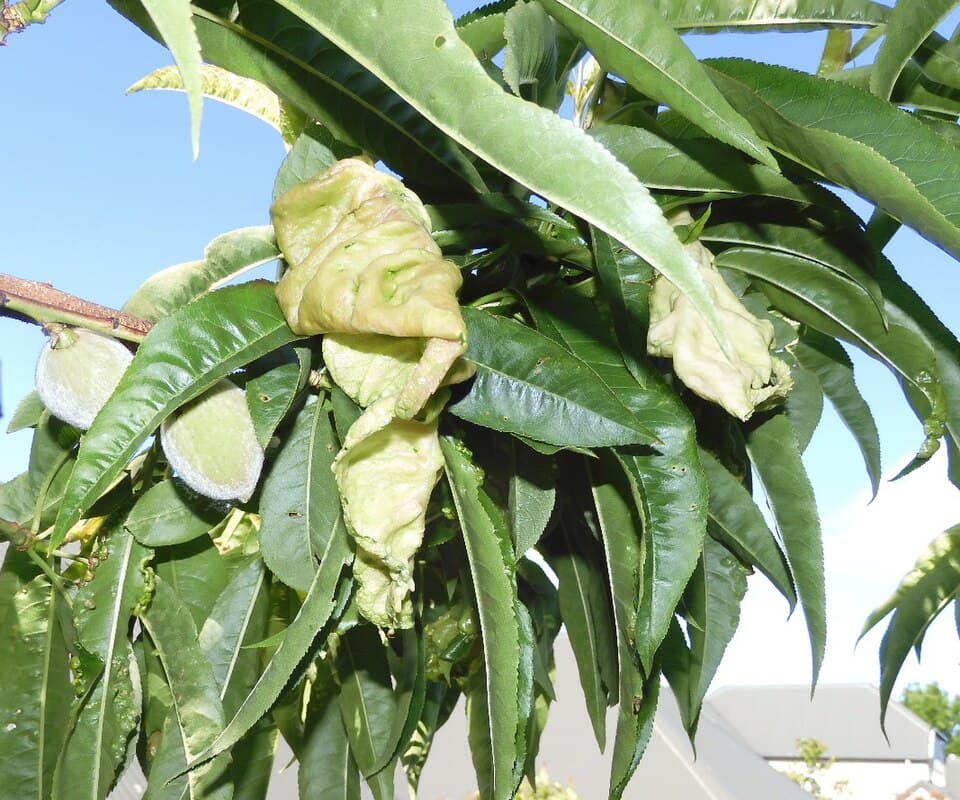

Check these first
- Inspect the undersides of leaves for webbing or small larvae.
- Check if the leaves recover after the sun goes down.
- Test the soil moisture to see if it is dry or waterlogged.
Likely causes
Parsnip Webworm
Most likelyHow to tell: You will see webbing around the flower heads or foliage and small larvae hiding inside the curled leaves. The leaves often look distorted or chewed.
What to do: Pick off the caterpillars by hand if the infestation is small. For larger outbreaks, apply an organic neem oil spray to the affected foliage every 7 days until the pests are gone.
Heat Stress
PossibleHow to tell: The leaves curl inward during the hottest part of the day to conserve moisture. If they recover at night, the plant is just reacting to high temperatures.
What to do: Provide shade cloth during the afternoon if temperatures exceed 85 degrees. Ensure you are watering deeply once a week to keep the soil moisture consistent.
Find out what's wrong with your parsnip
The list above covers the usual causes. Pocket Botanist looks at a photo of your actual plant and tells you the likely cause, how serious it is, and what to try first. Identification and a health check are free.



Scan with your phone's camera to get the app
Or go to pocketbotanist.app/get on your phone
When to worry
Worry if the webbing spreads to the main stem or if the leaves stay curled and brittle even at night. It is normal for leaves to wilt slightly in direct midday sun.
Stopping it coming back
Keep your garden beds free of weeds and debris to discourage pests. Mulch around the base of your plants to keep the soil cool and moist.
Parsnip: curling leaves? Check yours with a photo
Every plant is a little different. Take a photo of your parsnip and Pocket Botanist tells you which cause is most likely, how serious it is, and what to try first. A few checks a day are free. Save the plant and you get care reminders timed for it.
Scan with your phone's camera to get the app
Or go to pocketbotanist.app/get on your phone
Get the app · Or check it from a photo now, free
Questions people ask
- Can I still eat the parsnips if the leaves are curled?
- Yes, the root is usually unaffected by leaf curling unless the infestation is severe enough to kill the entire plant. Focus on protecting the foliage so the plant can continue to feed the root.
- Do parsnips flower?
- Parsnips are biennials and typically flower in their second year. They need a cold period followed by long days to bloom, but most gardeners harvest them in the first year before they flower.
More problems with Parsnip
This article was generated with AI on from the plant’s care profile and is general information, not horticultural advice. Read about how we build these guides.