 Pocket Botanist
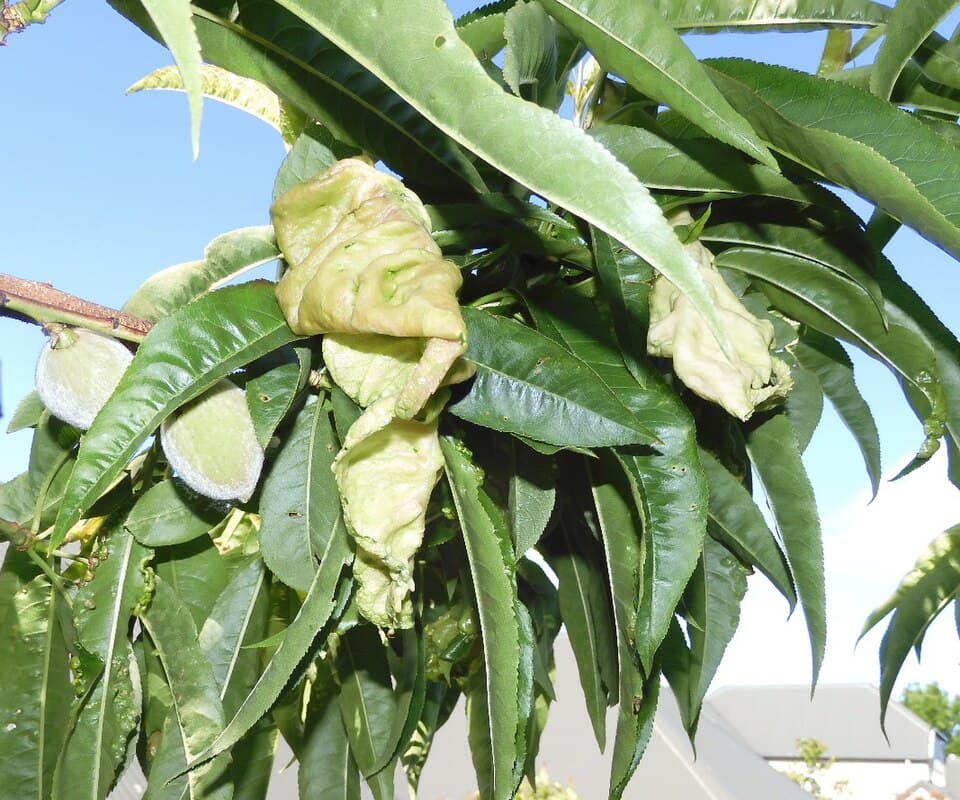

Check these first
- Look at the undersides of the curled leaves for tiny insects.
- Check the soil to see if it has dried out completely.
- Observe if the curling happens only during the hottest part of the day.
Likely causes
Heat and drought stress
Most likelyHow to tell: The leaves curl inward or look crispy at the edges during hot, dry spells. This is the tree's way of reducing water loss through its leaves.
What to do: Apply a 2 to 3 inch layer of mulch around the base to keep the roots cool and moist. Give the tree a deep, slow watering to ensure the moisture penetrates deep into the root zone.
Aphid infestation
PossibleHow to tell: You see small, soft bodied insects on the undersides of the leaves or notice a sticky residue called honeydew. The leaves may appear distorted or curled as the insects feed.
What to do: Spray the leaves with a strong stream of water to knock the aphids off. If the infestation is heavy, apply insecticidal soap once a week until the pests are gone.
Find out what's wrong with your american hophornbeam
The list above covers the usual causes. Pocket Botanist looks at a photo of your actual plant and tells you the likely cause, how serious it is, and what to try first. Identification and a health check are free.



Scan with your phone's camera to get the app
Or go to pocketbotanist.app/get on your phone
When to worry
It is normal for leaves to curl slightly during extreme heat to protect the tree. Be concerned if the curling is accompanied by yellowing or if the leaves do not flatten out at night.
Stopping it coming back
Keep the tree well mulched and provide consistent deep watering during the first few years of growth.
American hophornbeam: curling leaves? Check yours with a photo
Every plant is a little different. Take a photo of your american hophornbeam and Pocket Botanist tells you which cause is most likely, how serious it is, and what to try first. A few checks a day are free. Save the plant and you get care reminders timed for it.
Scan with your phone's camera to get the app
Or go to pocketbotanist.app/get on your phone
Get the app · Or check it from a photo now, free
Questions people ask
- Do American hophornbeams flower?
- Yes, they produce small, inconspicuous catkins in the spring. They do not need special care to bloom, as they are native trees that flower naturally in their environment.
- Should I prune the curled leaves?
- Wait until the tree recovers before pruning. If the leaves are still green, they are likely still helping the tree produce energy.
Guides to these causes
More problems with American hophornbeam
- Why does my American hophornbeam have spots on its leaves?
- Why are the tips of my American hophornbeam leaves turning brown?
- Why is my American hophornbeam drooping?
- Why are my American hophornbeam leaves turning yellow?
- Why is my American hophornbeam dropping its leaves?
- What is eating my American hophornbeam leaves?
- Why is my American hophornbeam showing signs of root rot?
Back to the American hophornbeam guide
This article was generated with AI on from the plant’s care profile and is general information, not horticultural advice. Read about how we build these guides.