 Pocket Botanist
Plant guide
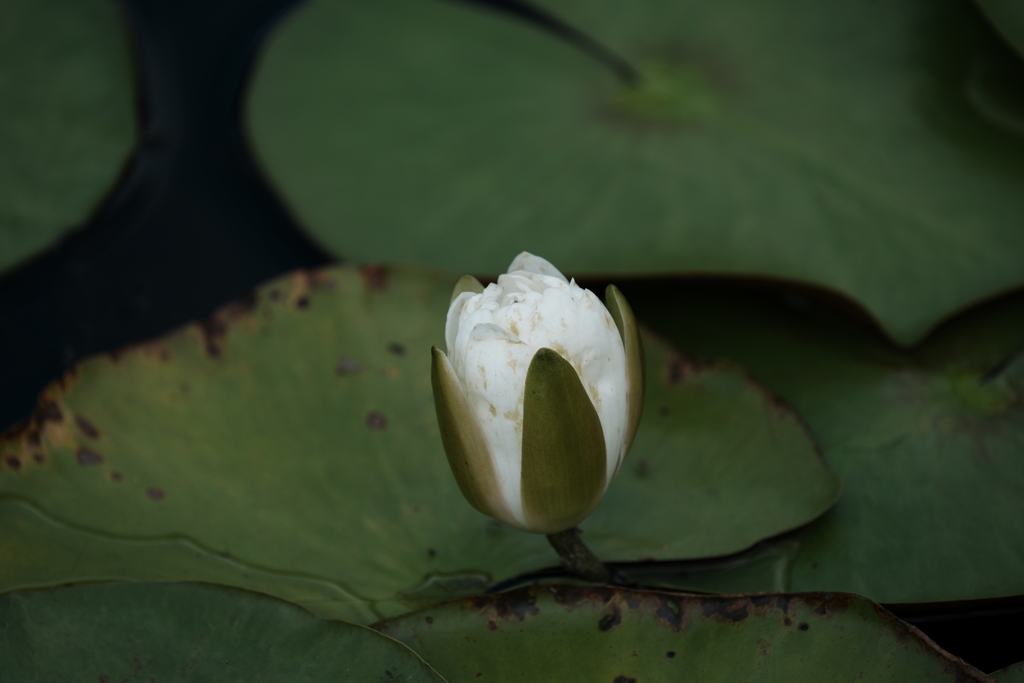
American white waterlily.
Nymphaea odorata
Pronounced nim-FEE-uh oh-doh-RAY-tuh
Also known as American Waterlily, American White Waterlily, American water-lily, American white water-lily, Fragrant Water-lily, Fragrant Waterlily, Pond Lily, White Waterlily



Scan with your phone's camera to get the app
Or go to pocketbotanist.app/get on your phone

This lovely aquatic plant is a classic beauty for ponds and still water gardens. It produces fragrant white flowers that float gracefully on the surface. You will find it naturally rooted in the mud of shallow lakes or slow moving streams.
At a glance
- Care level
- Moderate
- Plant type
- Aquatic perennial
- Light
- Full sun
- Indoor light
- Direct sun
- Water
- Every 0 days
- Mature size
- 6 feet wide
- Growth rate
- Fast
- Hardiness
- USDA 4 to 11
- Bloom time
- Late spring to early autumn
Care
Keep this plant in a container submerged in water so the leaves can float freely on the surface. Watch for aphids on the leaves or yellowing foliage which might indicate a need for more nutrients. Ensure the water remains still as this plant does not like splashing or strong currents.
- Watering
- The plant must remain fully submerged in water at all times.
- Feeding
- Use aquatic fertilizer tablets pushed into the soil near the roots once a month during the growing season.
- Pruning
- Remove yellowing or dead leaves and spent flowers to keep the water clean and encourage new growth.
- Repotting
- Divide the rhizomes every one to two years to prevent the plant from becoming root bound in its container.
- Soil
- Heavy clay or aquatic soil
- Soil pH
- 6.0 to 8.0
- Temperature
- 0 to 35°C
- Humidity
- 60 to 100%
- Drought tolerance
- Low
- Lifespan
- Perennial, typically 5 to 10 years
- Fragrance
- Strong
- Deer and rabbits
- Moderate
Signs it needs repotting
- The plant stops blooming regularly.
- Roots are growing out of the drainage holes.
- The container feels crowded with thick rhizomes.
Safety
- People
- The plant is generally considered non-toxic, though it is not typically consumed raw.
- Children
- Keep a close eye on small children near water features where this plant grows to prevent accidental falls.
- Contact allergens
- There are no notable skin irritants associated with this plant.
- Airborne allergens
- The pollen can cause mild respiratory irritation in sensitive individuals.
- Edibility
- The rhizomes are edible when cooked, but ensure they are harvested from clean, non-polluted water sources.
How to identify it
- Large floating circular green leaves
- Fragrant white flowers with yellow centers
- Leaves have a deep basal notch
- Flowers open during the day
- Height
- 0.05 to 0.15m
- Spread
- 0.9 to 1.8m
- Leaves
- green, deciduous
- Flowers
- white, pink, 8 to 15cm
- Fruit
- brown, late summer
Problems to watch for
- Water lily beetle · Small beetles that chew holes in the leaves and flowers.
- Crown rot · A fungal infection that causes the base of the plant to decay.
Check your american white waterlily from a photo
Pocket Botanist looks at a photo of your plant and tells you what's wrong and what to try first.
Scan with your phone's camera to get the app
Or go to pocketbotanist.app/get on your phone
Growing it
- Propagation
- division, seed
- When to plant
- spring, summer
- Overwintering
- In cold climates, move the container to the bottom of the pond below the ice line. If the pond freezes solid, move the plant to a cool, dark, frost-free location in a bucket of water.
- In containers
- It is excellent for container ponds, provided the pot is at least 30 centimeters wide and deep.
Rhizome Division
- 1. Remove the plant from its container in early spring.
- 2. Cut the rhizome into sections, ensuring each piece has at least one growing bud.
- 3. Replant the sections in fresh aquatic soil and submerge them.
Group aquatic plants by their preferred water depth to ensure every species gets the right amount of light and space.
Grows well with
- Pickerelweed · It adds vertical interest and thrives in similar water depths.
- Cattail · It provides a natural backdrop for the floating lily pads.
Similar species
- Yellow Water Lily · It has similar growth habits but features distinct yellow, cup-shaped flowers.
Science
- Family
- Nymphaeaceae
- Genus
- Nymphaea
- Order
- Nymphaeales
- Class
- Magnoliopsida
- Native range
- Eastern North America
- Conservation
- This plant is common and not of conservation concern in most of its native range.
It grows in still or slow-moving freshwater, where its floating leaves provide essential shade and shelter for fish and aquatic insects.
- Value to wildlife
- nectar source, provides cover for aquatic life
- Pollinators
- bees, beetles
- Uses
- ornamental water gardens, naturalizing ponds, wildlife habitat
Through the year
Ecological indicators
- Salinity
- 1/9
- Soil reaction
- 5/9
- Light
- 8/9
- Temperature
- 6/9
- Moisture
- 9/9
- Nutrients
- 6/9
Taxonomy resolved against GBIF.
Questions people ask
- How deep should I plant my water lily?
- Place the container so the crown of the plant is 15 to 45 centimeters below the water surface.
- Do I need to fertilize them?
- Yes, use specialized aquatic fertilizer tablets pushed into the soil once a month during the growing season.
Where the name comes from
The genus name Nymphaea comes from the Greek word for water nymphs, while the species name odorata highlights the fragrant blooms.
Good to know
- The specific epithet odorata refers to the sweet, pleasant scent of the flowers.
- These plants help keep pond water clear by shading the surface and reducing algae growth.
- The leaves are attached to long, flexible stalks that allow them to rise and fall with changing water levels.
Keep your american white waterlily growing
This page is a general guide. Save your plant in Pocket Botanist and you get care reminders timed for this plant, plus a care history that shows what worked.
Scan with your phone's camera to get the app
Or go to pocketbotanist.app/get on your phone
This guide was generated with AI on and checked against GBIF taxonomy. It is general information, not horticultural or veterinary advice. Read about how we build these guides.