 Pocket Botanist
Plant guide
Common Myrtle.
Myrtus communis
Pronounced MUR-tus ko-MYOO-nis
Also known as Myrtle



Scan with your phone's camera to get the app
Or go to pocketbotanist.app/get on your phone
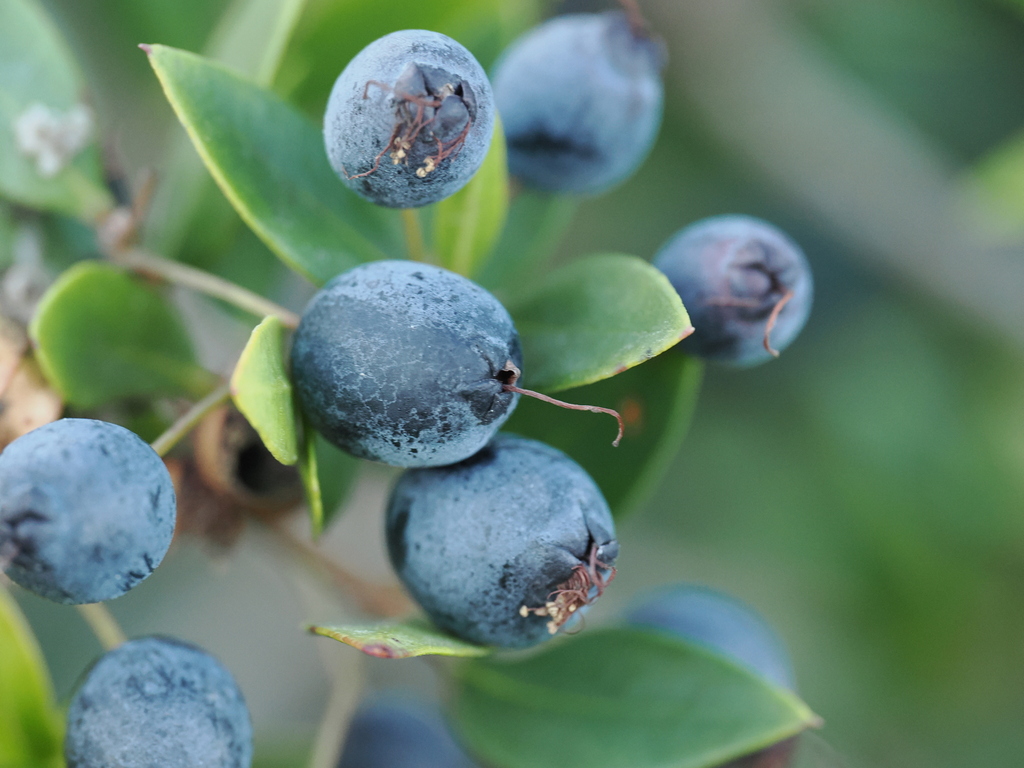
The common myrtle is a lovely evergreen shrub known for its glossy, aromatic leaves and delicate white flowers. It thrives in Mediterranean climates and brings a classic, elegant feel to any garden. You will love the sweet scent it releases when you brush against its foliage.

At a glance
- Care level
- Moderate
- Plant type
- Evergreen shrub
- Light
- Full sun to partial shade
- Indoor light
- Direct sun
- Water
- Every 5 to 10 days
- Mature size
- 15 feet
- Growth rate
- Medium
- Hardiness
- USDA 8 to 11
- Bloom time
- Mid to late summer
Care
Let the top layer of soil dry out between waterings and never let it become soggy, to prevent root issues. Watch for yellowing leaves which often signal overwatering or poor drainage. Prune lightly after flowering to maintain a tidy shape and encourage dense growth.
- Watering
- Water when the top inch of soil feels dry to the touch.
- Feeding
- Feed with a balanced liquid fertilizer during the active growing season.
- Pruning
- Trim back lightly in late summer to maintain desired form.
- Repotting
- Move to a slightly larger container once the roots fill the current pot.
- Soil
- Well draining sandy or loamy soil
- Soil pH
- Neutral to slightly alkaline
- Temperature
- -5 to 35°C
- Humidity
- 40 to 60%
- Drought tolerance
- High
- Lifespan
- Perennial, can live for many decades with proper care.
- Fragrance
- Strong
- Deer and rabbits
- High
Signs it needs repotting
- Roots growing out of the drainage holes.
- Water running straight through the pot without soaking in.
- Stunted growth during the active season.
Safety
- People
- The plant is generally considered non-toxic, though essential oils derived from it can be irritating if ingested in large quantities.
- Pets
- This plant is generally considered non toxic to cats and dogs.
- Children
- The small berries may pose a choking hazard to small children if ingested.
- Contact allergens
- Handling the foliage may cause mild skin irritation in sensitive individuals due to the aromatic oils.
- Airborne allergens
- The pollen can trigger mild hay fever symptoms in sensitive individuals during the flowering season.
- Edibility
- While the berries are edible, they should be consumed in moderation as they can cause stomach upset in some people.
How to identify it
- Glossy dark green ovate leaves
- Fragrant foliage when crushed
- Small star shaped white flowers
- Dark blue to black berries
- Dense evergreen shrub habit
- Height
- 1.5 to 3m
- Spread
- 1.2 to 2.5m
- Leaves
- dark green, evergreen
- Flowers
- white, 1 to 2cm
- Fruit
- blue, black, Autumn
Problems to watch for
- Scale insects · Small sap-sucking insects that appear as bumps on stems and leaves.
- Root rot · Fungal infection caused by overly wet soil conditions.
Check your common myrtle from a photo
Pocket Botanist looks at a photo of your plant and tells you what's wrong and what to try first.
Scan with your phone's camera to get the app
Or go to pocketbotanist.app/get on your phone
Growing it
- Propagation
- cuttings, seed
- When to plant
- spring, autumn
- Overwintering
- In colder regions, move containers to a frost-free location or provide heavy mulch for ground-planted specimens. Ensure the plant stays relatively dry during the winter months.
- In containers
- It grows very well in containers, provided you use a pot with drainage holes and a minimum diameter of 40 centimeters.
Semi-hardwood cuttings
- Take 10 centimeter cuttings in late summer.
- Remove lower leaves and dip the base in rooting hormone.
- Place in a pot with moist, sandy soil.
- Cover with a plastic bag to maintain humidity.
- Keep in bright, indirect light until rooted.
Group these plants in a sunny, well-drained spot to create a fragrant Mediterranean-style garden.
Grows well with
Similar species
- Chilean Myrtle · It shares similar foliage and aromatic qualities but has distinct bark.
Science
- Family
- Myrtaceae
- Genus
- Myrtus
- Order
- Myrtales
- Class
- Magnoliopsida
- Native range
- Mediterranean region
- Conservation
- This species is common and not currently of conservation concern.
It is well adapted to dry, rocky soils and hot, sunny climates.
- Value to wildlife
- nectar source, provides cover for small birds
- Pollinators
- bees, butterflies
- Uses
- ornamental shrub, culinary spice, fragrant hedge, essential oil production
Through the year
Ecological indicators
- Salinity
- 2/9
- Soil reaction
- 6/9
- Light
- 7/9
- Temperature
- 7/9
- Moisture
- 3/9
- Nutrients
- 4/9
Taxonomy resolved against GBIF.
Questions people ask
- Does it need full sun?
- Yes, it performs best in full sun to light shade.
- Can I grow it in a pot?
- Yes, it makes an excellent container plant if given good drainage.
Where the name comes from
The name Myrtus comes from the Greek word myrtos, referring to the plant's aromatic qualities, while communis means common.
Good to know
- The leaves are highly aromatic when crushed.
- Myrtle wood is sometimes used for fine woodworking.
- It is a traditional plant used in bridal bouquets in some European countries.
- The plant thrives in the dry, sunny conditions of the Mediterranean.
Also in
Keep your common myrtle growing
This page is a general guide. Save your plant in Pocket Botanist and you get care reminders timed for this plant, plus a care history that shows what worked.
Scan with your phone's camera to get the app
Or go to pocketbotanist.app/get on your phone
This guide was generated with AI on and checked against GBIF taxonomy. It is general information, not horticultural or veterinary advice. Read about how we build these guides.