 Pocket Botanist
Plant guide
Miscanthus.
Miscanthus
Pronounced mis-KAN-thus
Also known as Silvergrass, Silvergrasses, miscanthus


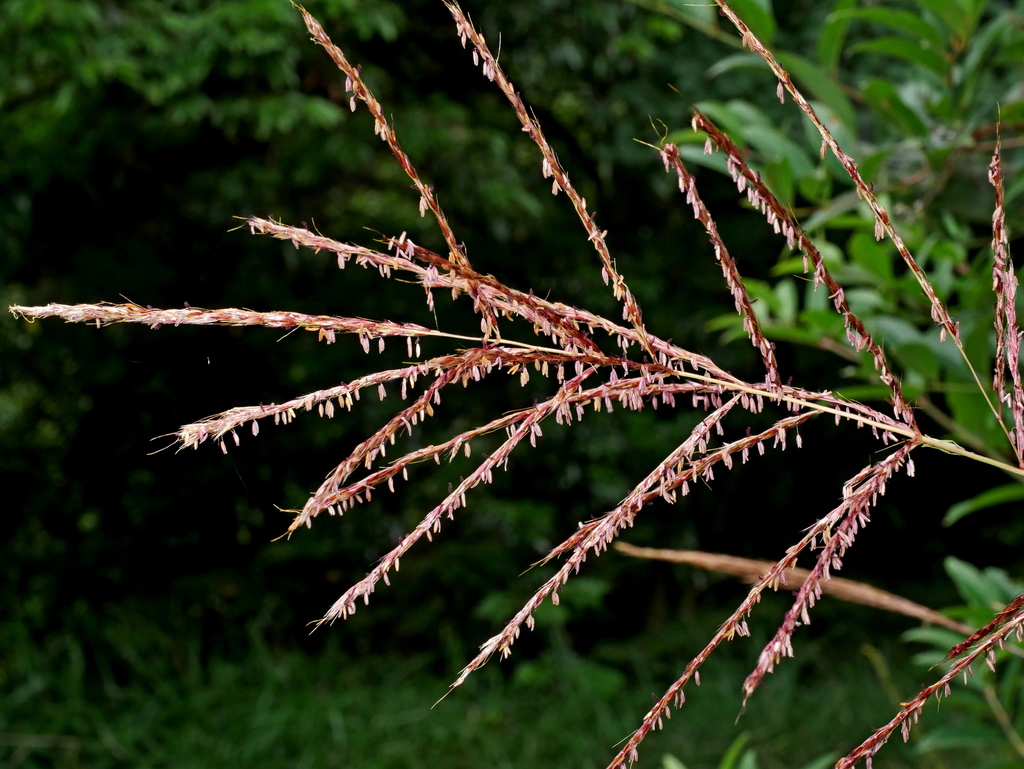
Miscanthus is a group of tall, elegant perennial grasses that add wonderful texture and movement to the landscape. They are prized for their feathery plumes that appear in late summer and persist through the winter months. These grasses are quite adaptable and look stunning when planted in large drifts.
At a glance
- Care level
- Easy
- Plant type
- Perennial grass
- Light
- Full sun
- Indoor light
- direct
- Water
- Every 7 to 14 days
- Mature size
- 2 to 3 meters
- Growth rate
- fast
- Hardiness
- USDA 4 to 9
- Bloom time
- Late summer to autumn
Care
Plant in a sunny spot with well draining soil to keep these grasses happy. Cut the foliage back to the ground in late winter before new growth emerges to keep the plant tidy. Watch for browning tips if the soil stays too dry for extended periods.
- Watering
- Water deeply during the first growing season to help establish a deep root system.
- Feeding
- Apply a balanced, slow release fertilizer in early spring as new growth begins.
- Pruning
- Cut back all old foliage to about 15 centimeters above the ground in late winter.
- Repotting
- Divide the root clump every few years in spring to maintain vigor and prevent a dead center.
- Soil
- Well draining, fertile soil
- Soil pH
- 6.0 to 7.5
- Temperature
- -20 to 35°C
- Humidity
- 40 to 70%
Safety
- Pets
- Miscanthus is generally considered non-toxic to cats and dogs.
How to identify it
- Tall, clumping growth habit
- Arching, linear leaf blades
- Feathery, fan shaped flower plumes
- Persistent winter foliage and seed heads
- Height
- 1 to 3m
- Spread
- 0.6 to 1.5m
- Leaves
- green, variegated, straw, deciduous
- Flowers
- silver, pink, white, 10 to 30cm
Growing it
- Propagation
- division, seed
- When to plant
- spring, autumn
Science
- Family
- Poaceae
- Genus
- Miscanthus
- Order
- Poales
- Class
- Liliopsida
Through the year
Taxonomy resolved against GBIF.
Is your miscanthus looking unwell?
This page is a general guide. Pocket Botanist diagnoses problems from a photo of your actual plant, works out watering for your light and conditions, and reminds you when care is due.
This guide was generated with AI and checked against GBIF taxonomy. It is general information, not horticultural or veterinary advice. Read about how we build these guides.