 Pocket Botanist
Plant guide
Feather reed grass.
Calamagrostis acutiflora
Pronounced kal-ah-mah-GROS-tis ak-yoo-tih-FLOR-ah


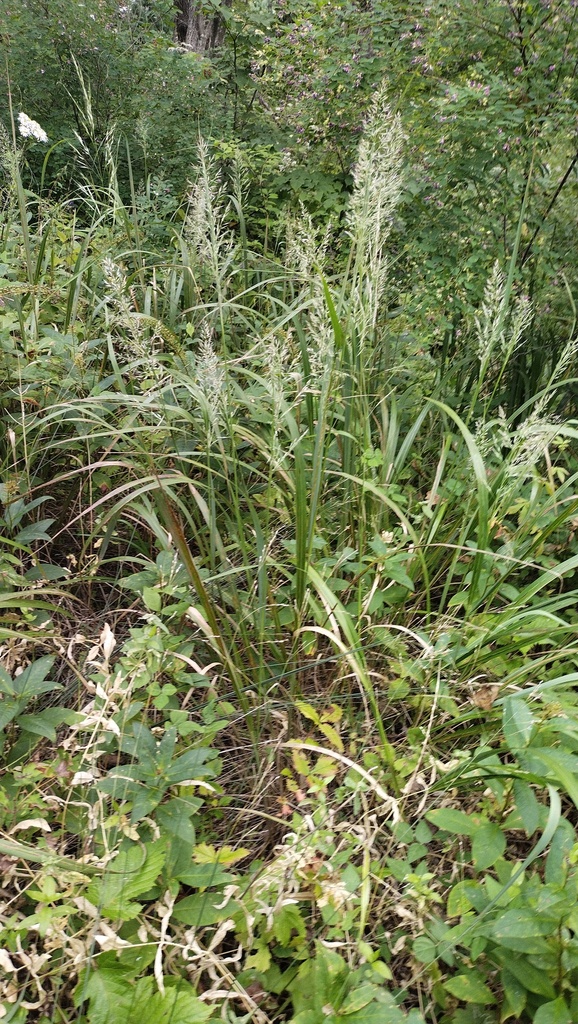
This is a fantastic, upright ornamental grass that adds great structure to any garden. It is a sterile hybrid that won't spread aggressively by seed. You will love how its golden plumes catch the light in late summer.
At a glance
- Care level
- Easy
- Plant type
- Perennial ornamental grass
- Light
- Full sun to partial shade
- Indoor light
- Direct sun
- Water
- Every 5 to 10 days
- Mature size
- 5 to 6 feet tall
- Growth rate
- Medium
- Hardiness
- USDA 4 to 9
- Bloom time
- Early to mid summer
Care
Plant this grass in a spot that gets plenty of sun to keep it standing tall. Cut the foliage back to the ground in late winter before new growth starts. Watch for browning tips if the soil stays too dry during the peak of summer.
- Watering
- Keep the soil consistently moist but not waterlogged during the first growing season.
- Feeding
- Apply a balanced, slow release fertilizer once in early spring as new growth emerges.
- Pruning
- Cut the entire plant back to about 6 inches above the ground in late winter.
- Repotting
- Divide the root clump every few years in spring to keep the plant vigorous.
- Soil
- Well draining, fertile soil
- Soil pH
- 6.0 to 7.5
- Temperature
- -30 to 35°C
- Humidity
- 30 to 70%
- Drought tolerance
- Moderate
- Lifespan
- Perennial, typically 10 to 15 years.
- Deer and rabbits
- High
Signs it needs repotting
- Roots growing out of the drainage holes.
- Water sitting on the surface for too long.
- The center of the clump begins to die out.
Safety
- People
- There are no known toxic properties to humans.
- Pets
- This plant is generally considered non toxic to cats and dogs.
- Children
- The sharp edges of the leaves can cause paper-like cuts on children's skin.
- Contact allergens
- The leaf blades have fine serrations that can cause minor skin irritation if handled without gloves.
- Airborne allergens
- The pollen can trigger seasonal allergies in sensitive individuals during the flowering period.
- Edibility
- This grass is not intended for human consumption.
How to identify it
- Strictly upright, vertical growth habit
- Narrow, dark green leaf blades
- Tall, feathery, wheat colored flower spikes
- Clump forming, non invasive root system
- Height
- 0.9 to 1.8m
- Spread
- 0.45 to 0.75m
- Leaves
- green, deciduous
- Flowers
- tan, pinkish-bronze, 10 to 20cm
Problems to watch for
- RustCommon
- Leaf ScorchUncommon
- Leaf SpotUncommon
- Root RotUncommon
By symptom
Check your feather reed grass from a photo
Pocket Botanist looks at a photo of your plant and tells you what's wrong and what to try first.
Growing it
- Propagation
- division
- When to plant
- spring, early autumn
- Overwintering
- Leave the dried foliage standing throughout the winter to protect the crown and provide visual interest. Cut back to the ground in early spring.
- In containers
- It grows well in large containers, provided they are at least 40 centimeters wide to accommodate the root mass.
Division
- 1. Dig up the entire clump in early spring.
- 2. Use a sharp spade to slice the root ball into smaller sections.
- 3. Replant the divisions immediately at the same depth as the original.
Plant in groups of three or five to create a dramatic, rhythmic effect in the landscape.
Grows well with
- Coneflower — The bold daisy flowers contrast beautifully with the fine texture of the grass.
- Sedum — The succulent foliage of sedum complements the vertical lines of the grass.
Similar species
- Feather Reed Grass — It offers a softer, more feathery plume appearance than the upright acutiflora.
Science
- Family
- Poaceae
- Genus
- Calamagrostis
- Order
- Poales
- Class
- Liliopsida
- Native range
- Garden origin, derived from European parent species.
- Conservation
- This species is a sterile hybrid and does not pose a threat to native ecosystems.
It thrives in open, sunny sites where its deep root system helps it tolerate varying moisture levels.
- Value to wildlife
- provides nesting material, winter cover for insects
- Pollinators
- bees, butterflies
- Uses
- ornamental focal point, privacy screen, erosion control, winter interest
Through the year
Ecological indicators
- Salinity
- 2/9
- Soil reaction
- 5/9
- Light
- 7/9
- Temperature
- 5/9
- Moisture
- 5/9
- Nutrients
- 5/9
Taxonomy resolved against GBIF.
Questions people ask
- When should I cut it back?
- Cut the foliage down to about 15 centimeters in late winter or very early spring before new growth begins.
- Does it spread aggressively?
- No, it is a clumping grass that stays in a tidy, upright form.
Where the name comes from
The genus name comes from the Greek words for reed and grass, while the specific epithet refers to the sharp, pointed nature of the glumes.
Good to know
- It is a sterile hybrid between Calamagrostis arundinacea and Calamagrostis epigejos.
- The flower plumes turn a beautiful golden wheat color by late summer.
- It remains standing through winter snows, providing structure in the garden.
Also in
Keep your feather reed grass growing
This page is a general guide. Save your plant in Pocket Botanist and you get care reminders timed for this plant, plus a care history that shows what worked.
This guide was generated with AI and checked against GBIF taxonomy. It is general information, not horticultural or veterinary advice. Read about how we build these guides.