 Pocket Botanist

Check these first
- Check if the soil is still wet after two weeks.
- Gently tug the plant to see if it is loose in the soil.
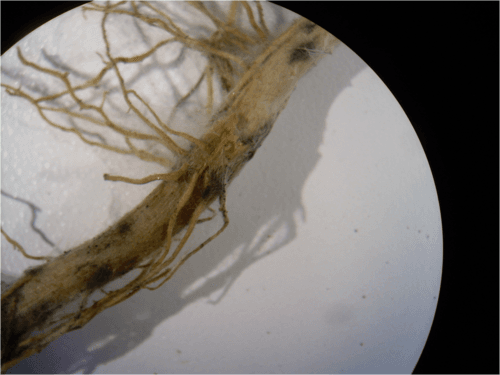
- Look at the base of the stem for discoloration.
Likely causes
Excessive Watering
Most likelyHow to tell: The stem near the soil line turns brown or black and feels soft.
What to do: Remove the plant from the pot and trim away any black, mushy roots with clean scissors. Repot in a dry, gritty cactus mix and do not water for at least a week.
Poor Drainage
PossibleHow to tell: The soil stays wet for more than a few days after watering.
What to do: Ensure your pot has a drainage hole at the bottom. Use a terracotta pot to help the soil dry out faster.
Find out what's wrong with your bear paw
The list above covers the usual causes. Pocket Botanist looks at a photo of your actual plant and tells you the likely cause, how serious it is, and what to try first. Identification and a health check are free.



Scan with your phone's camera to get the app
Or go to pocketbotanist.app/get on your phone
When to worry
If the stem is mushy all the way up, the plant likely cannot be saved. If you catch it while the roots are still partially firm, you have a good chance of recovery.
Stopping it coming back
Always use a fast draining soil mix and wait until the pot is completely dry before adding any water.
Bear Paw: root rot? Check yours with a photo
Every plant is a little different. Take a photo of your bear paw and Pocket Botanist tells you which cause is most likely, how serious it is, and what to try first. A few checks a day are free. Save the plant and you get care reminders timed for it.
Scan with your phone's camera to get the app
Or go to pocketbotanist.app/get on your phone
Get the app · Or check it from a photo now, free
Questions people ask
- Can I just let it dry out?
- If the rot has already started, drying the soil is not enough because the damaged roots will continue to decay. You must remove the dead roots.
- How often should I check the roots?
- You do not need to check the roots unless the plant shows signs of distress. Frequent repotting can stress the plant more than it helps.
More problems with Bear Paw
This article was generated with AI on from the plant’s care profile and is general information, not horticultural advice. Read about how we build these guides.