 Pocket Botanist
Plant guide
Bear Paw.
Dactylopsis digitata
Pronounced mez-em-bree-AN-thee-mum di-ji-TAY-tum
Also known as Dactylopsis digitata



Scan with your phone's camera to get the app
Or go to pocketbotanist.app/get on your phone
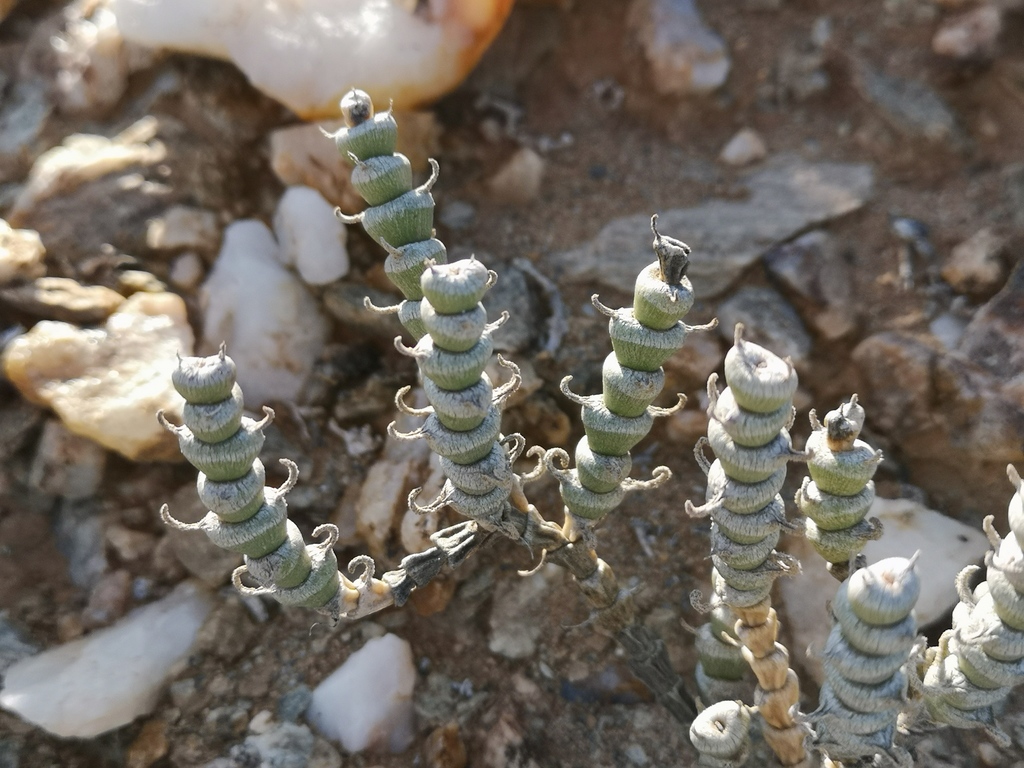
This charming succulent is known for its unique, finger-like leaves that resemble little paws. It is a slow growing plant that thrives in dry, sunny conditions. You will love how it adds texture to any collection.

At a glance
- Care level
- Moderate
- Plant type
- Succulent
- Light
- Full sun
- Indoor light
- Direct sun
- Water
- Every 14 to 30 days
- Mature size
- 10 to 15 cm
- Growth rate
- Slow
- Hardiness
- USDA 9 to 11
- Bloom time
- Late winter to early spring
Care
Keep this plant in very bright light to prevent it from stretching out. Allow the soil to dry out completely between waterings to avoid root rot. Watch for mushy leaves, which indicate too much moisture.
- Watering
- Only water when the soil is bone dry throughout the pot.
- Feeding
- Use a diluted succulent fertilizer during the active growing season.
- Pruning
- Remove any dead or shriveled leaves to keep the plant tidy.
- Repotting
- Repot only when the plant has clearly outgrown its current container.
- Soil
- Well draining cactus mix
- Soil pH
- 6.0 to 7.5
- Temperature
- 5 to 35°C
- Humidity
- 10 to 40%
- Drought tolerance
- High
- Lifespan
- Perennial, typically 3 to 7 years.
- Deer and rabbits
- Moderate
Signs it needs repotting
- Roots growing out of the drainage holes.
- The plant stops growing during the active season.
- Soil becomes compacted and drains very slowly.
Safety
- People
- The plant is generally considered non-toxic but may cause mild stomach upset if ingested.
- Pets
- This plant is generally considered non-toxic to cats and dogs.
- Children
- Keep this plant out of reach of small children to prevent accidental ingestion or damage to the delicate foliage.
- Contact allergens
- The succulent leaves may cause minor skin irritation in sensitive individuals due to surface textures.
- Airborne allergens
- There are no known significant respiratory allergens associated with this species.
- Edibility
- This plant is not considered edible and should be kept away from food preparation areas.
How to identify it
- Finger shaped succulent leaves
- Soft textured leaf surface
- Compact growth habit
- Small white or yellow flowers
- Height
- 0.05 to 0.1m
- Spread
- 0.1 to 0.2m
- Leaves
- blue-green, grey-green, evergreen
- Flowers
- white, pale yellow, 2 to 4cm
Problems to watch for
- MealybugsCommon
- Root RotCommon
- EdemaUncommon
- Fungus GnatsUncommon
Check your bear paw from a photo
Pocket Botanist looks at a photo of your plant and tells you what's wrong and what to try first.
Scan with your phone's camera to get the app
Or go to pocketbotanist.app/get on your phone
Growing it
- Propagation
- seed, cuttings
- When to plant
- spring, early autumn
- Overwintering
- Keep the plant in a bright, cool, and dry location during winter. Avoid all supplemental water if the plant is dormant.
- In containers
- It grows beautifully in shallow pots with excellent drainage, provided the container is at least 10 cm wide.
Seed
- Sow seeds on the surface of sandy, well-draining soil.
- Mist lightly and cover with a clear lid to maintain humidity.
- Remove lid once seedlings appear and provide bright light.
Cuttings
- Take a healthy leaf or stem cutting.
- Allow the cut end to callous for several days in a dry spot.
- Place the calloused end into dry, gritty succulent soil.
Group this plant with other slow-growing succulents that do not require frequent watering.
Grows well with
- Living Stones · They share similar requirements for light and very low water.
- Tiger Jaws · This succulent provides a nice textural contrast while needing the same dry conditions.
Similar species
- Ice Plant · It is a related succulent that also thrives in sunny, well-draining spots.
Science
- Family
- Aizoaceae
- Genus
- Mesembryanthemum
- Order
- Caryophyllales
- Class
- Magnoliopsida
- Native range
- South Africa, specifically the Karoo region.
- Conservation
- It is not currently listed as endangered, though habitat loss remains a concern in its native range.
It survives in arid environments by storing water in its thick, fleshy leaves.
- Value to wildlife
- nectar source
- Pollinators
- bees, butterflies
- Uses
- rock gardens, container gardening, succulent collections
Through the year
Ecological indicators
- Soil reaction
- 6/9
- Light
- 8/9
- Temperature
- 7/9
- Nutrients
- 2/9
- Salinity
- 4/9
- Moisture
- 2/9
Taxonomy resolved against GBIF.
Questions people ask
- How often should I water it?
- Water sparingly, allowing the soil to dry out completely between sessions.
- Does it need full sun?
- Yes, it requires bright, direct light to maintain its compact shape.
Where the name comes from
The name Mesembryanthemum comes from Greek words meaning midday and flower, referring to the blooms opening in the sun.
Good to know
- It belongs to the Aizoaceae family, often called the ice plant family.
- The name digitatum refers to the finger-like shape of its leaves.
- It thrives in extremely poor, sandy soils where other plants struggle.
- The flowers open primarily in bright sunlight.
Also in
Keep your bear paw growing
This page is a general guide. Save your plant in Pocket Botanist and you get care reminders timed for this plant, plus a care history that shows what worked.
Scan with your phone's camera to get the app
Or go to pocketbotanist.app/get on your phone
This guide was generated with AI on and checked against GBIF taxonomy. It is general information, not horticultural or veterinary advice. Read about how we build these guides.