 Pocket Botanist

Check these first
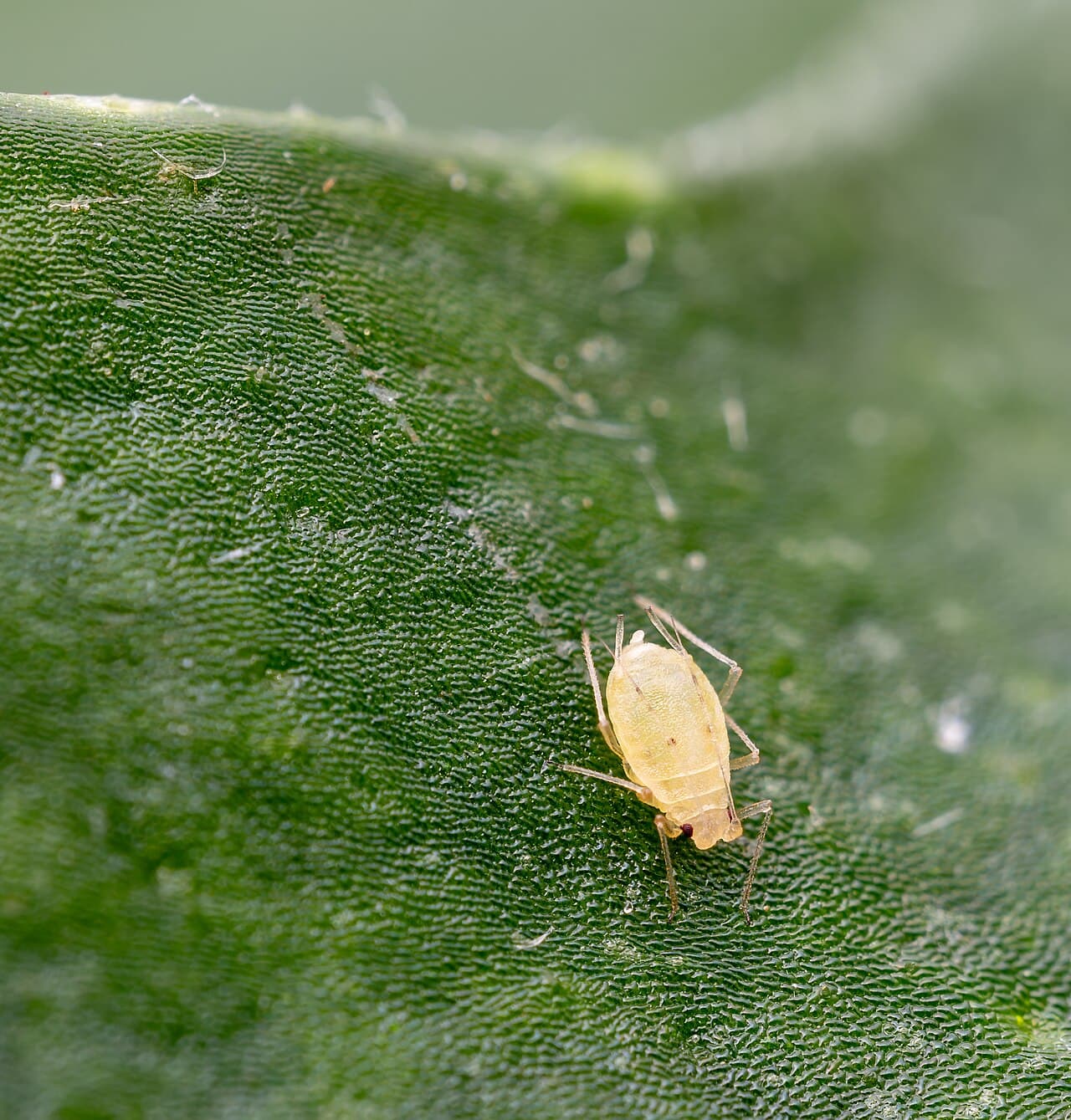
- Look closely at the leaves for tiny, jumping insects.
- Check the soil surface for slime trails.
- Examine the undersides of the leaves for eggs or larvae.
Likely causes
Mallow flea beetle
Most likelyHow to tell: You will see many tiny, shot hole sized punctures across the leaf surface. If you touch the plant, you might see small beetles jumping away.
What to do: Use an insecticidal soap or neem oil spray on the undersides of the leaves. Apply this in the early morning or late evening every 5 to 7 days until the beetles are gone.
Slugs or snails
PossibleHow to tell: These pests leave larger, irregular holes and often leave a slimy trail behind. They usually feed at night.
What to do: Hand pick them off the plant at night or use a beer trap nearby. You can also place crushed eggshells around the base to deter them.
Find out what's wrong with your common mallow
The list above covers the usual causes. Pocket Botanist looks at a photo of your actual plant and tells you the likely cause, how serious it is, and what to try first. Identification and a health check are free.



Scan with your phone's camera to get the app
Or go to pocketbotanist.app/get on your phone
When to worry
Small amounts of damage are normal for outdoor plants. You should only worry if the holes are so numerous that the plant looks stunted or weak.
Stopping it coming back
Keep the area around your mallow free of weeds and debris where beetles like to hide. A healthy, well watered plant is also more resilient to damage.
Common mallow: pests? Check yours with a photo
Every plant is a little different. Take a photo of your common mallow and Pocket Botanist tells you which cause is most likely, how serious it is, and what to try first. A few checks a day are free. Save the plant and you get care reminders timed for it.
Scan with your phone's camera to get the app
Or go to pocketbotanist.app/get on your phone
Get the app · Or check it from a photo now, free
Questions people ask
- Are these beetles harmful to me?
- No, they are harmless to humans and pets. They only have an appetite for your mallow.
- Should I use a heavy pesticide?
- Avoid harsh chemicals, as they can harm beneficial insects. Stick to organic options like neem oil or insecticidal soap.
Guides to these causes
More problems with Common mallow
Back to the Common mallow guide
This article was generated with AI on from the plant’s care profile and is general information, not horticultural advice. Read about how we build these guides.