 Pocket Botanist
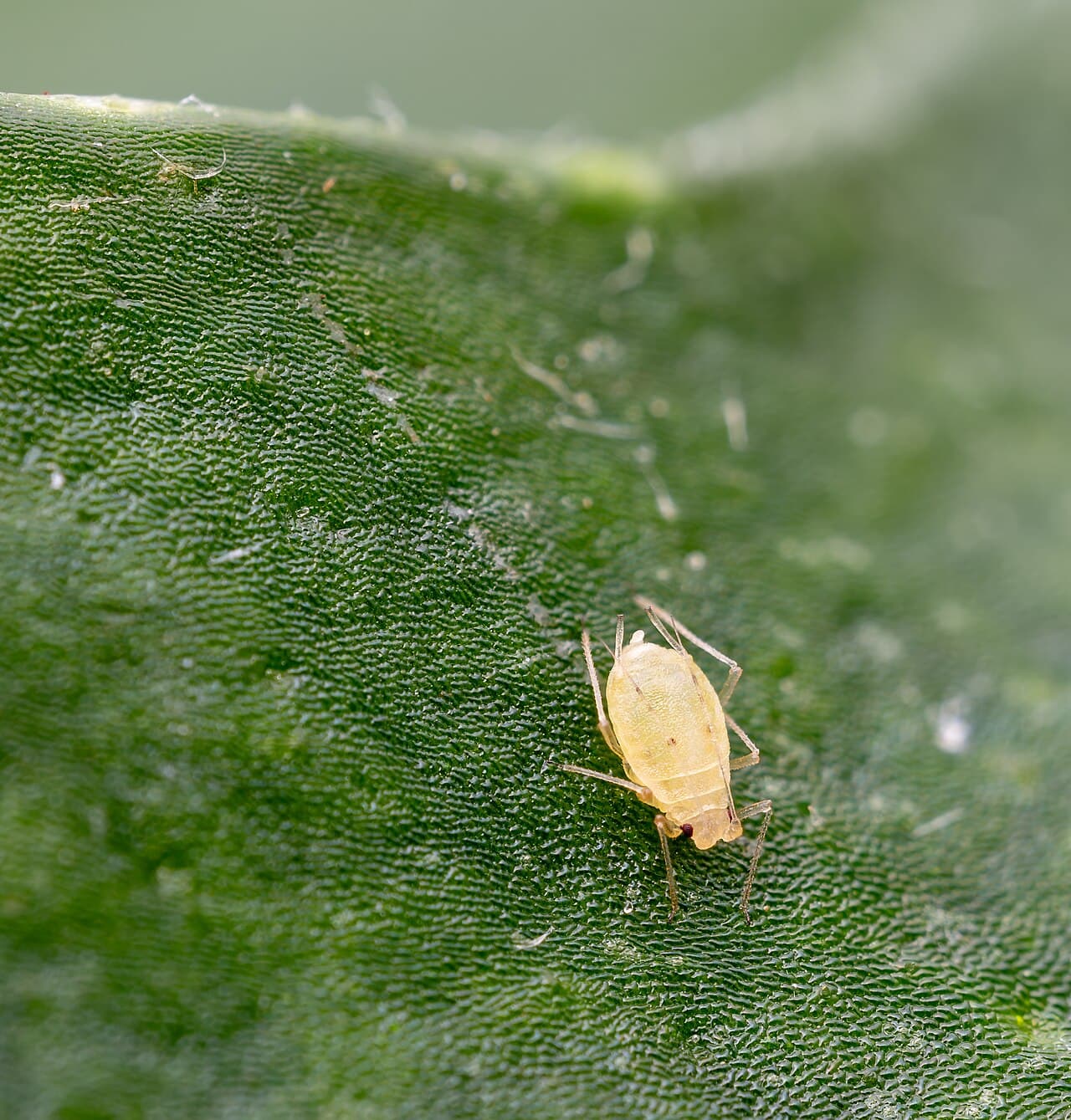

Check these first
- Inspect the undersides of leaves for slugs.
- Look for shiny slime trails on the soil.
- Check the plant at night when these pests are active.
Likely causes
Slug infestation
Most likelyHow to tell: Irregular holes in the leaves and shiny slime trails on the soil or foliage.
What to do: Handpick slugs off the plant in the evening. You can also place a shallow dish of beer near the plant to trap them.
Snail damage
PossibleHow to tell: Similar to slug damage but often accompanied by small shells found near the plant.
What to do: Clear away debris around the base of the plant where snails hide. Use copper tape around the pot or garden bed to deter them.
Find out what's wrong with your yellow pimpernel
The list above covers the usual causes. Pocket Botanist looks at a photo of your actual plant and tells you the likely cause, how serious it is, and what to try first. Identification and a health check are free.



Scan with your phone's camera to get the app
Or go to pocketbotanist.app/get on your phone
When to worry
If the damage is extensive and the plant is losing too much foliage, it will struggle to photosynthesize.
Stopping it coming back
Keep the area around your plant tidy and free of damp debris where pests like to hide.
Yellow pimpernel: pests? Check yours with a photo
Every plant is a little different. Take a photo of your yellow pimpernel and Pocket Botanist tells you which cause is most likely, how serious it is, and what to try first. A few checks a day are free. Save the plant and you get care reminders timed for it.
Scan with your phone's camera to get the app
Or go to pocketbotanist.app/get on your phone
Get the app · Or check it from a photo now, free
Questions people ask
- Are slugs harmful to the plant?
- They can be, as they eat the tender leaves and can weaken the plant over time.
- Should I use pesticides?
- Try manual removal or traps first, as these are safer for your garden ecosystem.
Guides to these causes
More problems with Yellow pimpernel
Back to the Yellow pimpernel guide
This article was generated with AI on from the plant’s care profile and is general information, not horticultural advice. Read about how we build these guides.