 Pocket Botanist
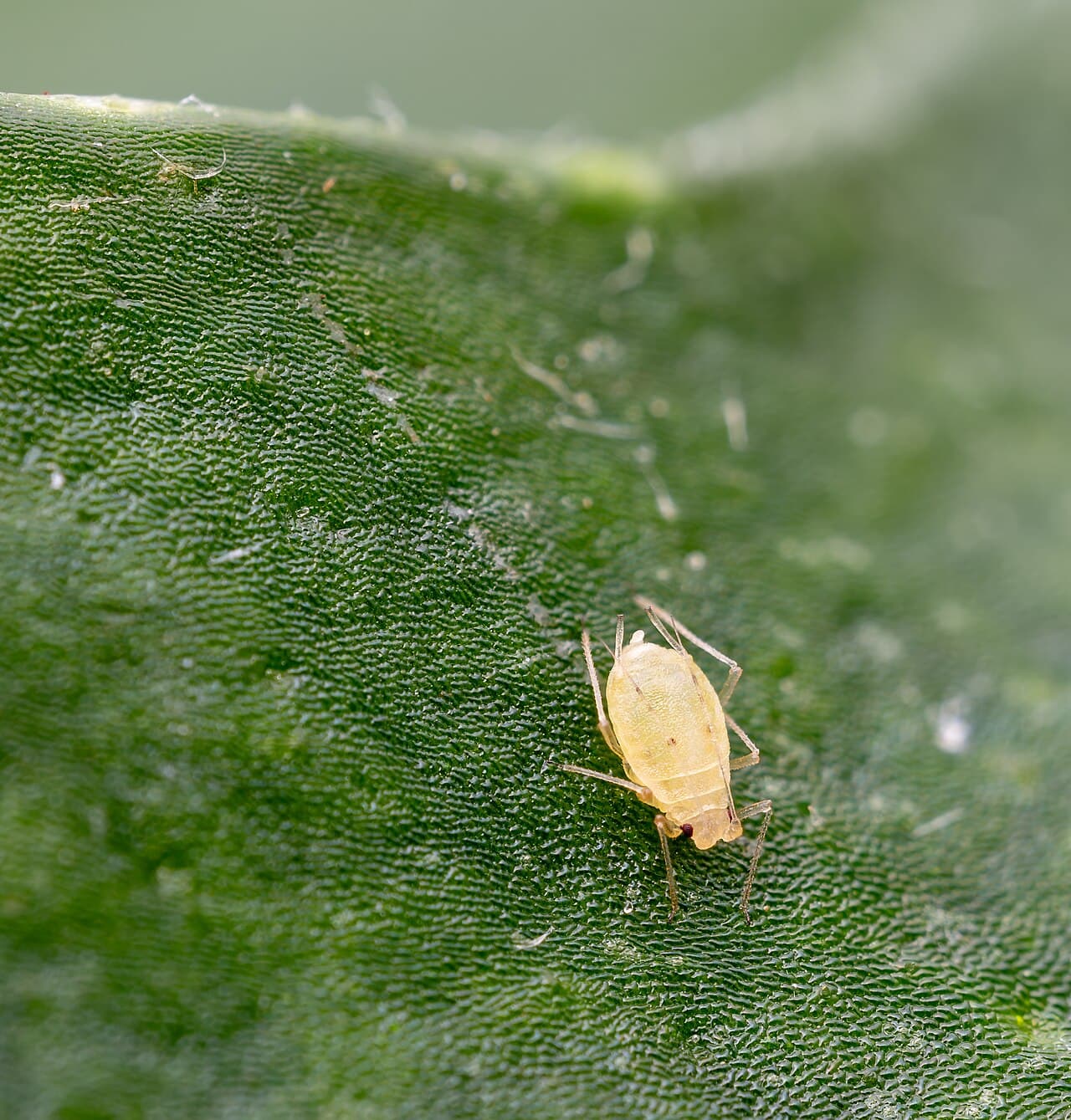

Check these first
- Inspect the tips of the stems for small clusters of insects.
- Check the undersides of the leaves for sticky residue.
- Look for ants, which often farm aphids.
Likely causes
Aphid infestation
Most likelyHow to tell: You see clusters of tiny green or black insects on the stem tips and undersides of leaves. You might also notice a sticky residue called honeydew.
What to do: Spray the aphids off with a gentle stream of water. If they persist, wipe the affected areas with a mild solution of water and a drop of dish soap.
Nutrient imbalance
PossibleHow to tell: The plant is growing very rapidly with soft, succulent tissue that attracts pests.
What to do: Avoid over-fertilizing, as excess nitrogen creates soft growth that aphids love. Stick to a balanced fertilizer applied once a month during the growing season.
Find out what's wrong with your winged primrose-willow
The list above covers the usual causes. Pocket Botanist looks at a photo of your actual plant and tells you the likely cause, how serious it is, and what to try first. Identification and a health check are free.



Scan with your phone's camera to get the app
Or go to pocketbotanist.app/get on your phone
When to worry
A few aphids are manageable, but if they cover the entire plant and cause significant leaf curling, you must act quickly. A small number of pests is common in outdoor garden settings.
Stopping it coming back
Check your plant weekly for early signs of pests and rinse the foliage with water periodically.
Winged primrose-willow: pests? Check yours with a photo
Every plant is a little different. Take a photo of your winged primrose-willow and Pocket Botanist tells you which cause is most likely, how serious it is, and what to try first. A few checks a day are free. Save the plant and you get care reminders timed for it.
Scan with your phone's camera to get the app
Or go to pocketbotanist.app/get on your phone
Get the app · Or check it from a photo now, free
Questions people ask
- Will aphids kill my plant?
- They can weaken it significantly if left unchecked. Early removal is the best way to keep your plant healthy.
- Should I use a heavy pesticide?
- Avoid harsh chemicals, as they can harm beneficial insects and the plant itself. Simple water or soap solutions are usually enough.
Guides to these causes
More problems with Winged primrose-willow
Back to the Winged primrose-willow guide
This article was generated with AI on from the plant’s care profile and is general information, not horticultural advice. Read about how we build these guides.