 Pocket Botanist
Pflanzenratgeber
Common bird's-foot trefoil.
Lotus corniculatus
Aussprache LOH-tus kor-nik-yoo-LAY-tus
Auch bekannt als Bird's-foot Trefoil, Birdfoot Deervetch, Birdsfoot, Birdsfoot Trefoil, Bloomfell, Cat's Clover, Common Bird's-Foot-Trefoil, Common Bird's-foot Trefoil


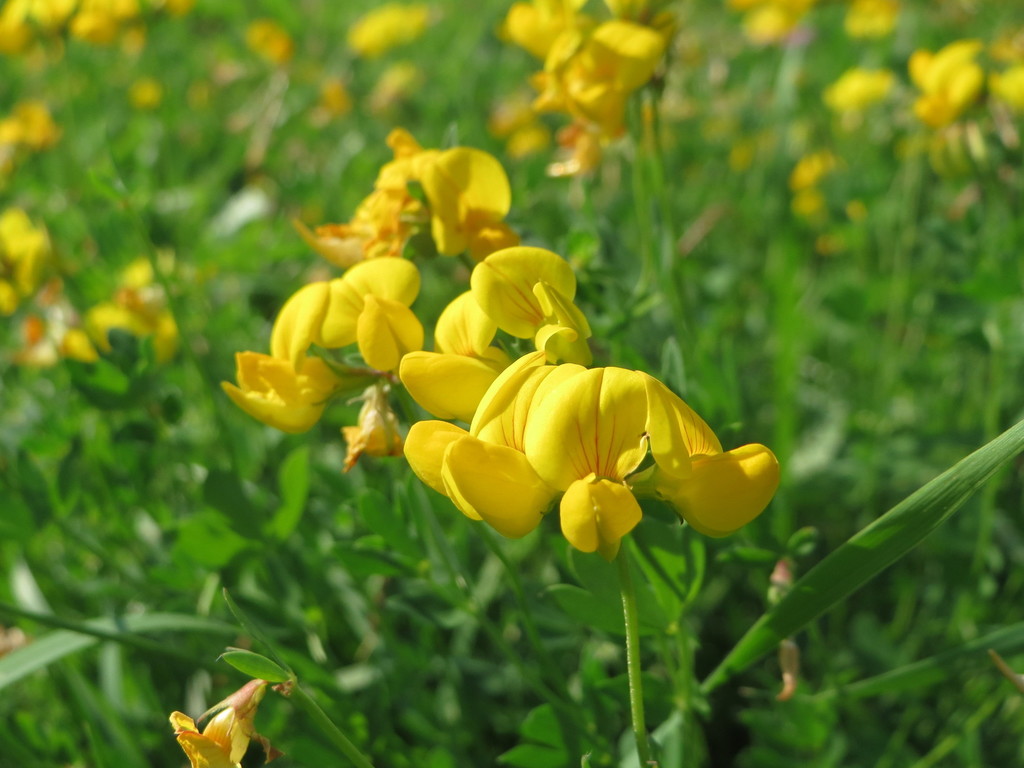
This hardy perennial is a cheerful addition to meadows and gardens with its bright yellow flowers. It is a member of the pea family and is well known for its ability to fix nitrogen in the soil. You will often see it sprawling along roadsides or in sunny fields.
Auf einen Blick
- Pflegestufe
- Einfach
- Pflanzenart
- Perennial herb
- Licht
- Full sun
- Licht im Innenraum
- Direkte Sonne
- Gießen
- Alle 7 bis 14 Tage
- Endgröße
- 15 to 30 centimeters
- Wachstum
- Mittel
- Winterhärte
- USDA 4 bis 9
- Blütezeit
- Late spring to early autumn
Pflege
Plant this in a spot that gets plenty of sun and has well-draining soil. Keep an eye out for aphids during the warmer months. It is quite drought tolerant once established, so you do not need to fuss over it too much.
- Gießen
- Water deeply only when the top inch of soil feels dry to the touch.
- Düngen
- This plant rarely needs fertilizer as it fixes its own nitrogen.
- Schneiden
- Trim back after flowering to encourage a tidy shape and potential second bloom.
- Umtopfen
- Repot only if the plant becomes root bound in its container.
- Boden
- Well-draining, sandy or loamy soil
- Boden-pH
- 6.0 to 7.5
- Temperatur
- -25 bis 35°C
- Luftfeuchtigkeit
- 30 bis 70%
- Trockenheitstoleranz
- Hoch
- Lebensdauer
- Perennial, typically 3 to 5 years.
- Duft
- Leicht
- Wildverbiss-Resistenz
- Mittel
Anzeichen fürs Umtopfen
- Roots growing out of the drainage holes.
- Water sitting on the surface for too long.
Sicherheit
- Menschen
- The plant is considered mildly toxic if ingested due to the presence of cyanogenic glycosides.
- Kinder
- Keep children away from the plant as the foliage and seeds are not intended for consumption.
- Kontaktallergene
- Handling the foliage may cause mild skin irritation in sensitive individuals.
- Allergene in der Luft
- The pollen can cause mild allergic reactions in some people during the peak flowering season.
- Essbarkeit
- While not highly toxic, it contains cyanogenic glycosides and should not be consumed by humans.
So erkennst du die Pflanze
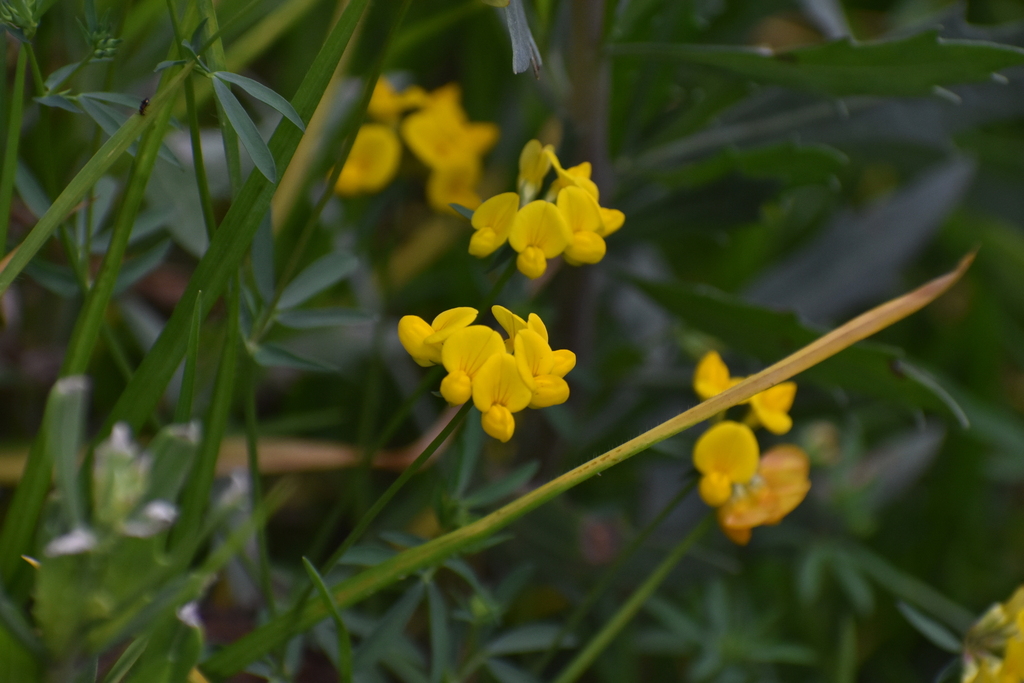
- Bright yellow pea-like flowers
- Five leaflets per leaf
- Spreading low growth habit
- Seed pods resemble bird feet
- Höhe
- 0,05 bis 0,4m
- Breite
- 0,3 bis 0,6m
- Blätter
- green, deciduous
- Blüten
- yellow, orange, 1 bis 2cm
- Früchte
- brown, Late summer
Häufige Probleme
- Powdery mildew — A fungal infection that appears as white dusty patches on the leaves.
Standort und Pflege
- Vermehrung
- seed, division
- Pflanzzeit
- spring, autumn
- Überwinterung
- Cut back dead foliage in late autumn to tidy the plant. It is fully hardy and requires no special protection during winter.
- Im Kübel
- It grows well in containers, but ensure the pot has excellent drainage and is at least 20 centimeters deep.
Seed
- 1. Scarify the seeds lightly with sandpaper.
- 2. Soak seeds in water for 24 hours.
- 3. Sow in well-draining soil in spring.
Plant this as a living mulch around larger perennials to suppress weeds and boost nitrogen levels.
Gute Pflanzpartner
- Schafgarbe — They share similar soil and light requirements.
- Ox-eye Daisy — They create a classic meadow aesthetic together.
Ähnliche Arten
- Lotus pedunculatus — It is a larger relative that prefers wetter soil conditions.
Botanisches
- Familie
- Fabaceae
- Gattung
- Lotus
- Ordnung
- Fabales
- Klasse
- Magnoliopsida
- Ursprüngliche Heimat
- Europe, Asia, and North Africa.
- Artenschutz
- It is a common and widespread species not currently of conservation concern.
It survives in the wild by forming symbiotic relationships with nitrogen-fixing bacteria in its root nodules.
- Nutzen für Wildtiere
- larval host plant, nectar source
- Bestäuber
- Bienen, Schmetterlinge, Nachtfalter
- Verwendung
- ground cover, meadow planting, soil improvement, pollinator garden
Im Jahresverlauf
Ökologische Zeigerwerte
- Salzgehalt
- 3/9
- Bodenreaktion
- 6/9
- Licht
- 7/9
- Temperatur
- 5/9
- Feuchtigkeit
- 4/9
- Nährstoffe
- 2/9
Taxonomie abgeglichen mit GBIF.
Häufige Fragen
- Is this plant invasive?
- It can be aggressive in some regions, so check your local regulations before planting.
- Does it need fertilizer?
- No, it fixes its own nitrogen and prefers lean soil.
Woher der Name kommt
The genus name Lotus comes from the Greek word for a type of clover, while corniculatus refers to the horn-like shape of the seed pods.
Gut zu wissen
- It is commonly known as bird's foot trefoil because the seed pods resemble a bird's foot.
- The flowers often turn orange as they age.
- It is a hardy plant that thrives in poor, rocky soils.
Auch in
Probleme mit Common bird's-foot trefoil?
Diese Seite bietet allgemeine Infos. Pocket Botanist erkennt Probleme anhand eines Fotos deiner echten Pflanze, passt das Gießen an dein Licht und deinen Standort an und erinnert dich an die Pflege.
Dieser Ratgeber wurde mit KI erstellt und mit der GBIF-Taxonomie abgeglichen. Er dient zur allgemeinen Information und ersetzt keine gärtnerische oder tierärztliche Beratung. Hier erfährst du, wie wir diese Ratgeber erstellen.