 Pocket Botanist
Plant guide
Winter Honeysuckle.
Lonicera fragrantissima
Pronounced loh-NISS-er-uh fray-gran-TISS-ih-muh
Also known as Fragrant Honeysuckle, January Jasmine, Standish's Honeysuckle, Sweet Breath Of Spring, Winter Honeysuckle, sweet breath-of-spring



Scan with your phone's camera to get the app
Or go to pocketbotanist.app/get on your phone
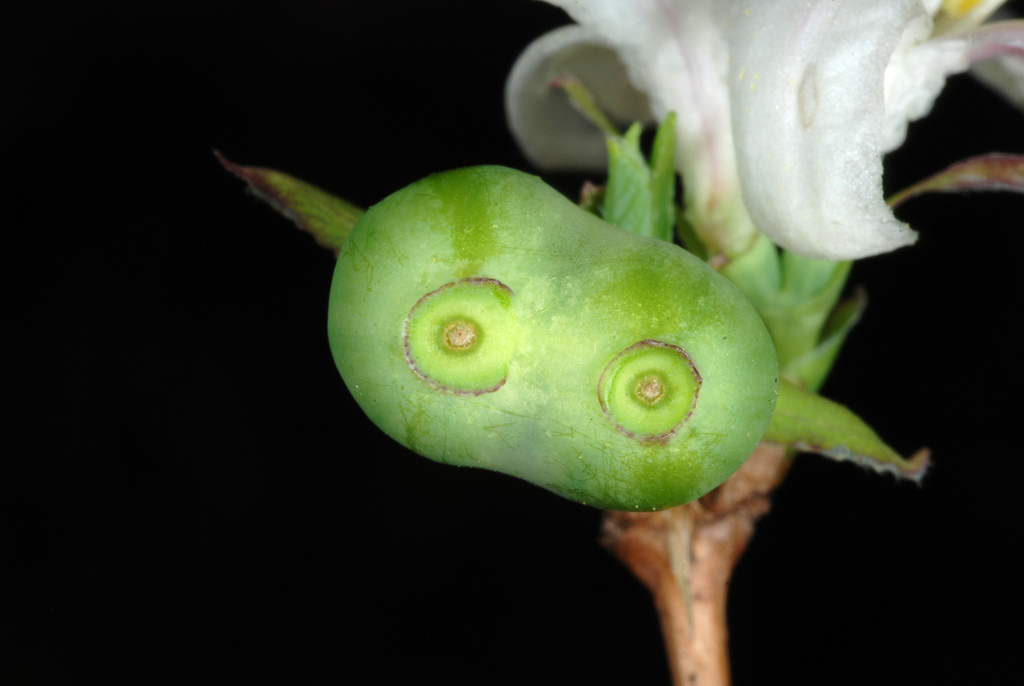
Winter honeysuckle is a wonderful shrub that brings a sweet, lemony scent to your garden during the coldest months. It is a semi-evergreen plant that produces creamy white flowers before most other plants wake up in spring. You will love how it brightens up a dreary winter landscape.

At a glance
- Care level
- Easy
- Plant type
- Deciduous or semi-evergreen shrub
- Light
- Full sun to partial shade
- Indoor light
- Bright indirect
- Water
- Every 7 to 14 days
- Mature size
- 8 to 10 feet
- Growth rate
- Medium
- Hardiness
- USDA 4 to 8
- Bloom time
- Late winter to early spring
Care
Plant this shrub in a spot with well-draining soil and plenty of room to spread. Watch for yellowing leaves, which can indicate poor drainage or too much shade. It is quite hardy, so it does not need much fuss once it is established.
- Watering
- Keep the soil consistently moist but not soggy, especially during the first year of growth.
- Feeding
- Apply a balanced, slow-release fertilizer once in early spring before new growth starts.
- Pruning
- Prune immediately after the flowers fade to maintain shape and encourage bushier growth.
- Repotting
- If growing in a container, move to a larger pot every few years when roots become crowded.
- Soil
- Well-draining, loamy soil
- Soil pH
- 6.0 to 7.5
- Temperature
- -20 to 35°C
- Humidity
- 40 to 70%
- Drought tolerance
- Moderate
- Lifespan
- Perennial, typically 20 to 30 years
- Fragrance
- Strong
- Deer and rabbits
- Moderate
Signs it needs repotting
- Roots growing out of the drainage holes
- Water running straight through the pot
- Stunted growth during the spring
Safety
- People
- Ingestion of the berries may cause stomach upset or vomiting in humans.
- Pets
- The berries may cause mild stomach upset if ingested by cats or dogs.
- Children
- The bright red berries are attractive to small children and should be kept out of reach to prevent accidental ingestion.
- Contact allergens
- The sap can cause mild skin irritation in sensitive individuals.
- Airborne allergens
- The pollen is generally not considered a major allergen.
- Edibility
- The berries are considered mildly toxic and should not be consumed.
How to identify it
- Opposite, oval shaped leaves
- Fragrant, creamy white winter flowers
- Red berries in late spring
- Arching, woody branches
- Height
- 1.8 to 3m
- Spread
- 1.8 to 3m
- Leaves
- dark green, blue green, semi-evergreen
- Flowers
- creamy white, 1 to 2cm
- Fruit
- red, Late spring
Problems to watch for
- AphidsCommon
- Powdery MildewCommon
- Leaf SpotUncommon
- Root RotUncommon
Check your winter honeysuckle from a photo
Pocket Botanist looks at a photo of your plant and tells you what's wrong and what to try first.
Scan with your phone's camera to get the app
Or go to pocketbotanist.app/get on your phone
Growing it
- Propagation
- cuttings, layering
- When to plant
- spring, fall
- Overwintering
- No special winter protection is needed as it is quite hardy. Mulch around the base if you live in a very cold region to keep the roots stable.
- In containers
- It can be grown in a large container, but it prefers being in the ground for long-term health.
Softwood cuttings
- Take 10 cm cuttings in early summer.
- Remove lower leaves and dip the base in rooting hormone.
- Place in a moist, well-draining potting mix.
- Cover with a plastic bag to maintain humidity.
- Transplant once roots are well established.
Plant this shrub near a path or window so you can enjoy the winter fragrance without needing to step into the cold.
Grows well with
- Witch Hazel · Both plants provide beautiful fragrance in the late winter garden.
- Snowdrop · These early bulbs complement the shrub's winter bloom time.
Similar species
- Winter Jasmine · It also blooms in winter but features yellow flowers instead of white.
Science
- Family
- Caprifoliaceae
- Genus
- Lonicera
- Order
- Dipsacales
- Class
- Magnoliopsida
- Native range
- Eastern China
- Conservation
- This plant is considered invasive in some parts of the United States and should be planted with caution.
It thrives in woodland edges and thickets where it can access moderate light and well-drained soil.
- Value to wildlife
- early season nectar source
- Pollinators
- bees
- Uses
- fragrant garden, shrub border, winter interest
Through the year
Ecological indicators
- Salinity
- 2/9
- Soil reaction
- 6/9
- Light
- 6/9
- Temperature
- 5/9
- Moisture
- 5/9
- Nutrients
- 5/9
Taxonomy resolved against GBIF.
Questions people ask
- Is it evergreen?
- It is semi-evergreen, meaning it keeps its leaves in mild winters but drops them in colder climates.
- Does it need pruning?
- Prune it immediately after flowering to keep the shrub tidy and encourage fresh growth.
Where the name comes from
The genus name Lonicera honors Adam Lonicer, a German botanist, while the specific epithet fragrantissima refers to its exceptionally fragrant flowers.
Good to know
- It is often called Winter Honeysuckle.
- The flowers appear before the leaves fully emerge in spring.
- It is one of the first plants to bloom in the garden each year.
Also in
Keep your winter honeysuckle growing
This page is a general guide. Save your plant in Pocket Botanist and you get care reminders timed for this plant, plus a care history that shows what worked.
Scan with your phone's camera to get the app
Or go to pocketbotanist.app/get on your phone
This guide was generated with AI on and checked against GBIF taxonomy. It is general information, not horticultural or veterinary advice. Read about how we build these guides.