 Pocket Botanist
Guía de plantas
hamamelis de Virginia.
Hamamelis virginiana
Pronunciación ham-uh-MAY-liss vir-jin-ee-AY-nuh
También se conoce como American Witchhazel, American Witchhzel, American witch-hazel, Common Witchhazel, Common Witchhzel, Snapping Hazelnut, Spotted Alder, Striped Alder


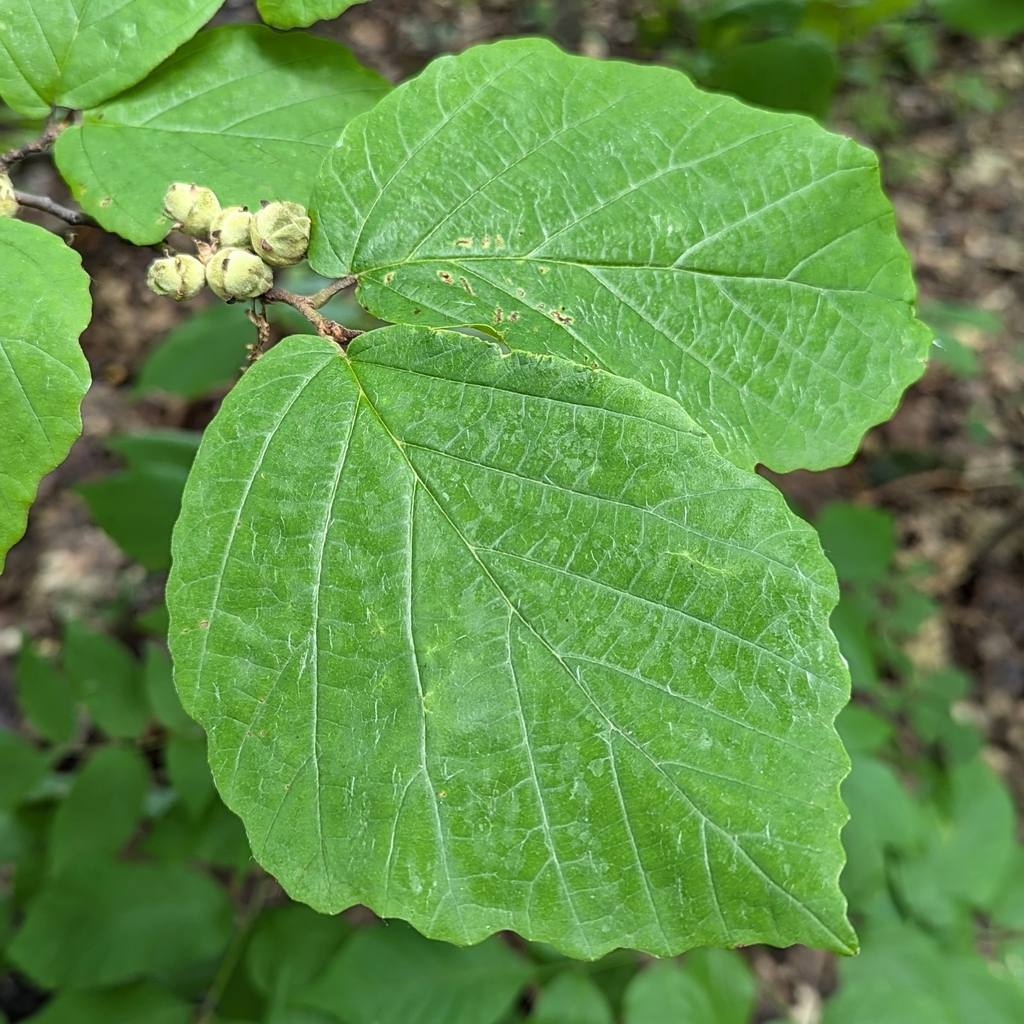
El hamamelis de Virginia es un encantador arbusto nativo que aporta interés al jardín cuando la mayoría de las otras plantas están inactivas. Es famoso por sus flores amarillas espigadas que florecen a finales de otoño. Encontrarás que es bastante resistente y adaptable a muchos entornos de jardín.
De un vistazo
- Nivel de cuidados
- Fácil
- Tipo de planta
- Arbusto de hoja caduca o árbol pequeño
- Luz
- Pleno sol a sombra parcial
- Luz en interior
- Luz indirecta brillante
- Riego
- Cada 7 a 14 días
- Tamaño adulto
- 15 a 20 pies
- Ritmo de crecimiento
- Medio
- Rusticidad
- USDA 3 a 8
- Floración
- Late autumn to early winter
Cuidados
Mantén la tierra constantemente húmeda mientras la planta es joven para ayudarla a establecer un sistema radicular fuerte. Busca hojas marchitas durante las sequías, ya que es una señal de que necesita hidratación adicional. Raramente se necesita podar a menos que quieras dar forma al arbusto o eliminar madera muerta.
- Riego
- Riega profundamente una vez a la semana durante los primeros años, especialmente durante los meses calurosos de verano.
- Abonado
- Aplica un fertilizante orgánico equilibrado a principios de primavera para favorecer un crecimiento saludable.
- Poda
- Poda inmediatamente después de la floración si necesitas mantener una forma específica.
- Trasplante
- Si cultivas en maceta, trasplanta a una maceta más grande cada pocos años para evitar que se enraíce demasiado.
- Suelo
- Suelo rico, bien drenado y ácido
- pH del suelo
- 4.5 a 6.5
- Temperatura
- -30 a 35°C
- Humedad
- 40 a 70%
- Tolerancia a la sequía
- Moderada
- Longevidad
- Perennial, typically 30 to 50 years
- Fragancia
- Intensa
- Resistencia a ciervos y conejos
- Moderada
Señales de que necesita trasplante
- Roots growing out of the drainage holes
- Water running straight through the pot without soaking inbibbing
Seguridad
- Personas
- It is generally considered non-toxic, though excessive ingestion of plant extracts may cause stomach upset.
- Niños
- The seed capsules can pop open with force when dry, which might startle small children.
- Alérgenos por contacto
- Some people may experience mild skin irritation from contact with the bark or leaves.
- Alérgenos en el aire
- The pollen is generally not considered a significant allergen.
- Comestibilidad
- The bark and leaves are used in traditional medicine, but internal consumption should be supervised by a professional.
Cómo identificarla
- Pétalos amarillos espigados en otoño
- Hojas ovales anchas con bordes ondulados
- Corteza gris lisa en las ramas
- Cápsulas de semillas leñosas que se abren de golpe
- Altura
- 3 a 6m
- Anchura
- 3 a 6m
- Hojas
- green, yellow, deciduous
- Flores
- yellow, 1 a 2cm
- Frutos
- brown, Autumn
Problemas frecuentes
- Phyllosticta leaf spot — Fungal spots appear on leaves during wet seasons.
- Aphids — Small insects that feed on sap and may cause leaf curling.
Cómo cultivarla
- Propagación
- seed, cuttings, layering
- Cuándo plantar
- spring, autumn
- Cuidados en invierno
- No special winter protection is needed as it is fully hardy in its native range. Mulch around the base to maintain soil moisture.
- En maceta
- It is not well suited for long term container growth due to its large size.
Seed
- 1. Collect capsules in autumn before they pop.
- 2. Store seeds in a cool, moist medium for winter stratification.
- 3. Sow in spring in a well drained seed tray.
Plant in a woodland setting with leaf mulch to keep the roots cool and moist.
Buenas compañeras
- Hydrangea quercifolia — They share similar soil preferences and provide great autumn color contrast.
- Christmas fern — This evergreen fern provides a nice ground cover beneath the shrub.
Especies parecidas
- Chinese witch hazel — It has larger, more fragrant flowers but blooms in late winter.
Ciencia
- Familia
- Hamamelidaceae
- Género
- Hamamelis
- Orden
- Saxifragales
- Clase
- Magnoliopsida
- Distribución natural
- Eastern North America
- Conservación
- This species is common and not of conservation concern.
It thrives in the understory of deciduous forests where it tolerates partial shade and moist, acidic soils.
- Valor para la fauna
- late season nectar source, seeds for birds
- Polinizadores
- abejas, polillas, mariposas
- Usos
- ornamental shrub, medicinal astringent, woodland garden plant
A lo largo del año
Indicadores ecológicos
- Salinidad
- 1/9
- Reacción del suelo
- 4/9
- Luz
- 5/9
- Temperatura
- 4/9
- Humedad
- 6/9
- Nutrientes
- 5/9
Taxonomía cotejada con GBIF.
Lo que más preguntan
- Why is it called witch hazel?
- The name refers to the flexible, pliant branches once used for water divining.
- Does it need pruning?
- It rarely needs pruning, but you can remove dead wood in late winter.
De dónde viene el nombre
Hamamelis is from the Greek for 'together with fruit', referring to the flowers and fruit appearing at the same time.
Bueno saberlo
- Witch hazel branches were historically used as dowsing rods to find water.
- The name comes from the Middle English word 'wiche', meaning pliant or bendable.
- The fruit capsules can eject seeds up to 30 feet away.
- It is one of the last plants to flower in the North American landscape.
¿Tu hamamelis de virginia tiene mal aspecto?
Esta página es una guía general. Pocket Botanist diagnostica problemas a partir de una foto de tu propia planta, calcula el riego según tu luz y tus condiciones, y te avisa cuando toca cuidarla.
Esta guía se ha generado con IA y se ha cotejado con la taxonomía de GBIF. Es información general, no asesoramiento botánico ni veterinario. Descubre cómo elaboramos estas guías.