 Pocket Botanist
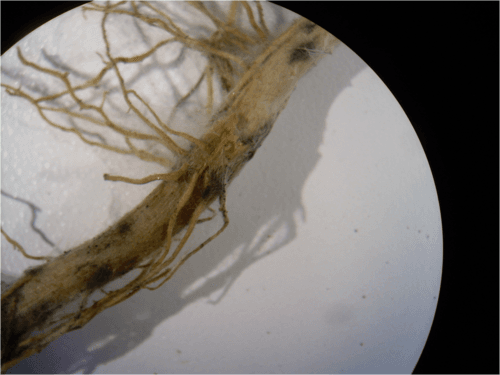

Check these first
- Inspect the soil for standing water after rain.
- Check the irrigation timer settings.
- Dig a small hole to see if the soil is saturated deep down.
Likely causes
Poor soil drainage
PossibleHow to tell: The grass appears yellow or stunted, and the soil feels soggy for days after rain. You might notice a sour smell coming from the turf.
What to do: Aerate the lawn to improve oxygen flow to the roots. If the area is low, add topsoil to level the ground and prevent water from pooling.
Overwatering
PossibleHow to tell: The grass blades lose their color and the base of the plant feels mushy. This often happens when irrigation systems run too frequently.
What to do: Adjust your irrigation schedule to water deeply once every 5 to 7 days instead of light daily watering. Ensure the soil dries out slightly between sessions.
Find out what's wrong with your tall fescue
The list above covers the usual causes. Pocket Botanist looks at a photo of your actual plant and tells you the likely cause, how serious it is, and what to try first. Identification and a health check are free.



Scan with your phone's camera to get the app
Or go to pocketbotanist.app/get on your phone
When to worry
Worry if large patches of grass turn brown and pull up easily from the soil. It is normal for some grass to look dull during periods of heavy, constant rain.
Stopping it coming back
Maintain a deep watering schedule and aerate your lawn once a year to keep the soil structure healthy.
Tall fescue: root rot? Check yours with a photo
Every plant is a little different. Take a photo of your tall fescue and Pocket Botanist tells you which cause is most likely, how serious it is, and what to try first. A few checks a day are free. Save the plant and you get care reminders timed for it.
Scan with your phone's camera to get the app
Or go to pocketbotanist.app/get on your phone
Get the app · Or check it from a photo now, free
Questions people ask
- Can I save grass with root rot?
- If the damage is localized, you can improve drainage and reduce watering to help the healthy roots recover. Large dead patches will likely need to be reseeded.
- Does fertilizer help with root rot?
- No, avoid fertilizing until the grass shows signs of recovery. Fertilizer can stress a struggling root system further.
More problems with Tall fescue
This article was generated with AI on from the plant’s care profile and is general information, not horticultural advice. Read about how we build these guides.