 Pocket Botanist
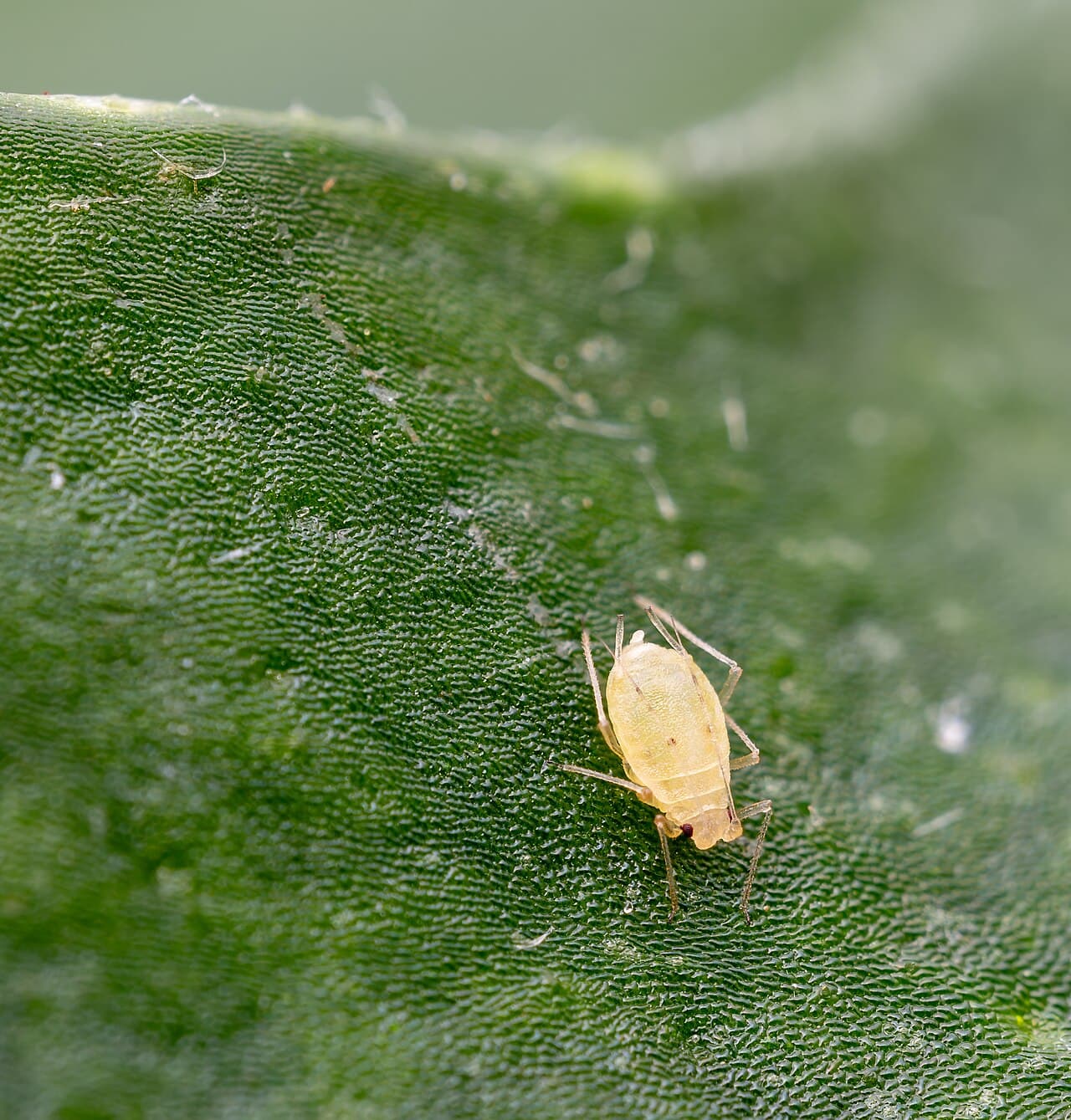

Check these first
- Look for small moths flying at dusk.
- Try to pull up a patch of brown grass.
- Dig a small hole to check for larvae in the soil.
Likely causes
Sod Webworms
Most likelyHow to tell: You will see small, irregular brown patches and silk tunnels near the soil surface. You might notice small moths flying over the lawn at dusk.
What to do: Apply a lawn insecticide specifically for sod webworms. Water the lawn lightly after application to help the product reach the soil.
Grubs
PossibleHow to tell: The grass turns brown and can be pulled up easily like a piece of carpet. You will find white, C shaped larvae in the soil underneath.
What to do: Use a preventative grub control product in late spring or early summer. Ensure the lawn is well watered to keep the grass roots strong.
Find out what's wrong with your tall fescue
The list above covers the usual causes. Pocket Botanist looks at a photo of your actual plant and tells you the likely cause, how serious it is, and what to try first. Identification and a health check are free.



Scan with your phone's camera to get the app
Or go to pocketbotanist.app/get on your phone
When to worry
A few pests are normal in any ecosystem. Worry when you see large patches of dead grass that do not respond to water.
Stopping it coming back
Keep your lawn healthy with proper mowing and watering. A strong, dense lawn is much more resistant to pest damage.
Tall fescue: pests? Check yours with a photo
Every plant is a little different. Take a photo of your tall fescue and Pocket Botanist tells you which cause is most likely, how serious it is, and what to try first. A few checks a day are free. Save the plant and you get care reminders timed for it.
Scan with your phone's camera to get the app
Or go to pocketbotanist.app/get on your phone
Get the app · Or check it from a photo now, free
Questions people ask
- How do I know if I have sod webworms?
- Look for silk lined tunnels at the base of the grass. You can also mix a gallon of water with a tablespoon of dish soap and pour it on the lawn to bring them to the surface.
- Do I need to treat the whole lawn?
- Only treat the areas where you see damage or active pests. Spot treating is usually sufficient for most lawn pests.
More problems with Tall fescue
This article was generated with AI on from the plant’s care profile and is general information, not horticultural advice. Read about how we build these guides.