 Pocket Botanist
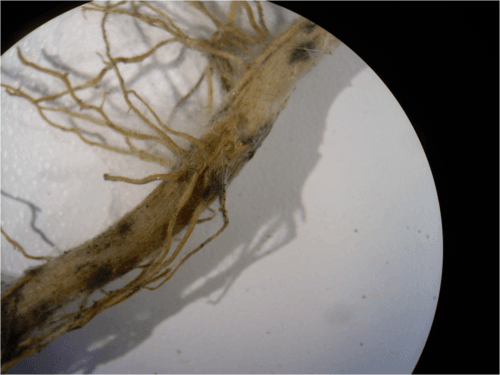

Check these first
- Check the soil moisture level at least 6 inches deep.
- Inspect the base of the plant for soft or mushy stems.
- Verify that your irrigation system is not hitting the plant too frequently.
Likely causes
Overwatering
Most likelyHow to tell: The leaves turn yellow or wilt despite the soil feeling damp. You might notice a musty smell coming from the base of the plant.
What to do: Stop watering immediately. Allow the soil to dry out completely for 14 to 30 days before adding more water. Ensure the plant is in well draining, sandy soil.
Poor Drainage
PossibleHow to tell: Water pools around the base of the shrub after rain or irrigation. The soil feels heavy and clay like.
What to do: Amend the surrounding soil with expanded shale or coarse sand to improve drainage. If the plant is in a low spot, consider transplanting it to a raised mound.
Find out what's wrong with your texas sage
The list above covers the usual causes. Pocket Botanist looks at a photo of your actual plant and tells you the likely cause, how serious it is, and what to try first. Identification and a health check are free.



Scan with your phone's camera to get the app
Or go to pocketbotanist.app/get on your phone
When to worry
If the entire plant is wilting and the stems feel squishy, it may be too late to save. Some yellowing after heavy rain is normal, but it should recover as the soil dries.
Stopping it coming back
Only water your Texas Sage once the soil is bone dry, and always prioritize planting in full sun with excellent drainage.
Texas Sage: root rot? Check yours with a photo
Every plant is a little different. Take a photo of your texas sage and Pocket Botanist tells you which cause is most likely, how serious it is, and what to try first. A few checks a day are free. Save the plant and you get care reminders timed for it.
Scan with your phone's camera to get the app
Or go to pocketbotanist.app/get on your phone
Get the app · Or check it from a photo now, free
Questions people ask
- Can I save a plant with root rot?
- If you catch it early, you can save it by stopping all water and improving drainage. If the roots are black and slimy, the damage is likely permanent.
- How often should I water my Texas Sage?
- Water deeply only every 14 to 30 days. Let the soil dry out completely between sessions.
More problems with Texas Sage
This article was generated with AI on from the plant’s care profile and is general information, not horticultural advice. Read about how we build these guides.