 Pocket Botanist
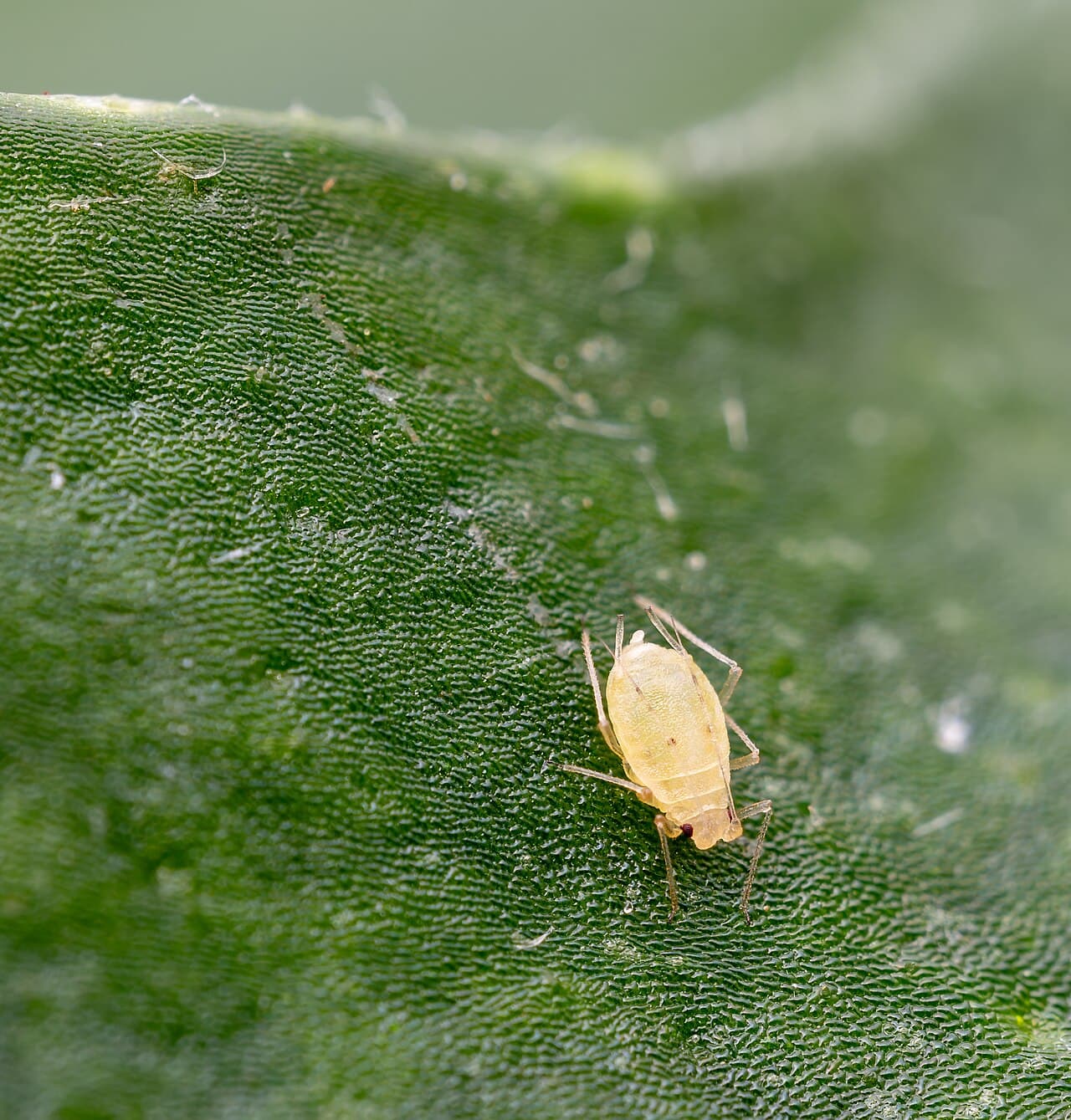

Check these first
- Look closely at the stems for white, cottony bumps.
- Check the leaves for a sticky, shiny coating.
- Observe if ants are crawling up the plant.
Likely causes
Cottony Cushion Scale
Most likelyHow to tell: You will see small, white, fluffy masses on the stems or undersides of leaves. The leaves may also look shiny or sticky from the honeydew.
What to do: Spray the plant with horticultural oil or insecticidal soap. Make sure to coat the undersides of the leaves and the stems thoroughly.
Ant Infestation
PossibleHow to tell: You see trails of ants climbing up the branches. They are often farming the scale insects for their sweet honeydew.
What to do: Treat the scale insects first, as the ants will leave once their food source is gone. You can also use a sticky barrier around the base of the trunk to stop ants.
Find out what's wrong with your texas sage
The list above covers the usual causes. Pocket Botanist looks at a photo of your actual plant and tells you the likely cause, how serious it is, and what to try first. Identification and a health check are free.



Scan with your phone's camera to get the app
Or go to pocketbotanist.app/get on your phone
When to worry
A few scale insects are manageable, but a heavy infestation can weaken the plant and cause leaf drop. Treat them as soon as you spot the white fluff.
Stopping it coming back
Keep your plant healthy with proper sunlight and infrequent watering, as stressed plants are more attractive to pests.
Texas Sage: pests? Check yours with a photo
Every plant is a little different. Take a photo of your texas sage and Pocket Botanist tells you which cause is most likely, how serious it is, and what to try first. A few checks a day are free. Save the plant and you get care reminders timed for it.
Scan with your phone's camera to get the app
Or go to pocketbotanist.app/get on your phone
Get the app · Or check it from a photo now, free
Questions people ask
- Are these pests harmful to my other plants?
- Yes, scale insects can spread to nearby shrubs. Keep an eye on your other plants and treat them if you see similar signs.
- Do I need to use harsh chemicals?
- No, horticultural oil or insecticidal soap is usually enough to control scale. These are safer options for your garden.
Guides to these causes
More problems with Texas Sage
This article was generated with AI on from the plant’s care profile and is general information, not horticultural advice. Read about how we build these guides.