 Pocket Botanist
Plant guide
Jatropha.
Jatropha
Pronounced ja-TRO-fa
Also known as Nettlespurge, Physic Nuts


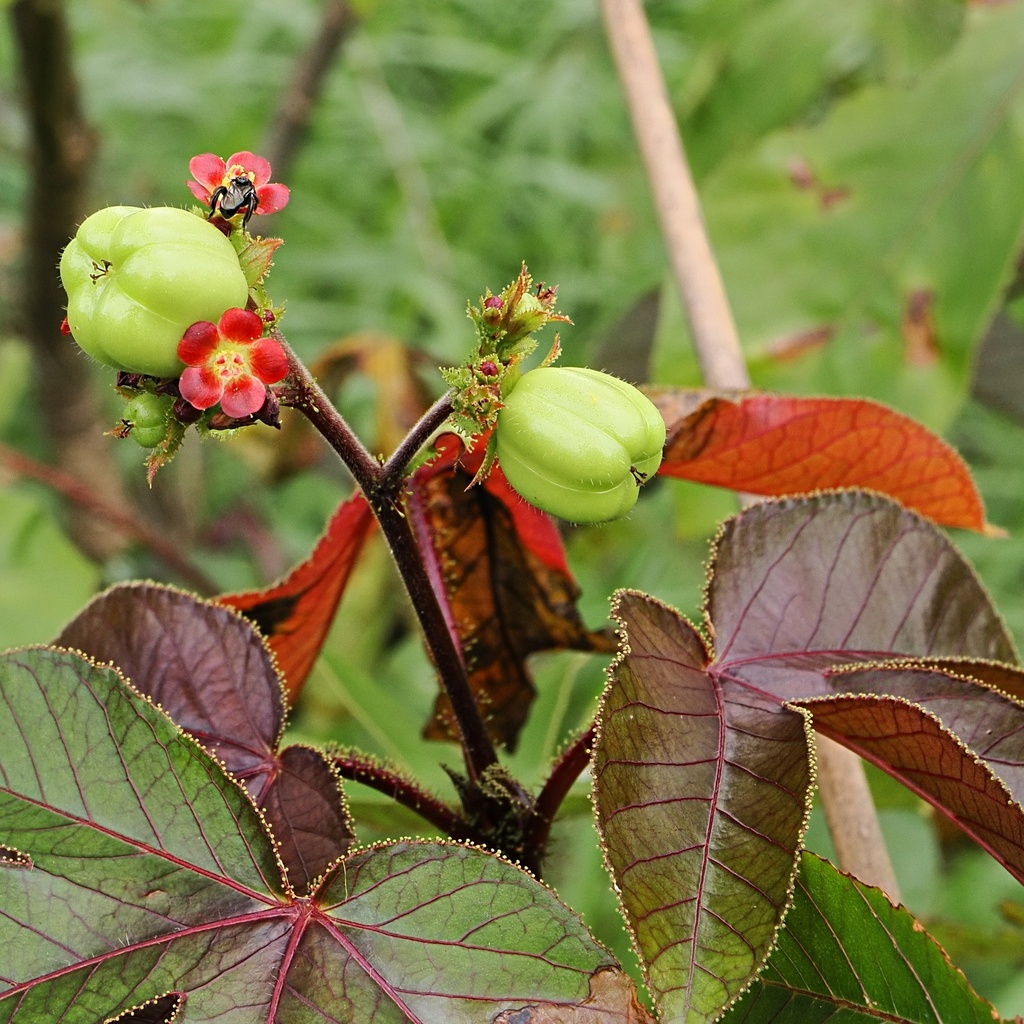
Jatropha is a fascinating genus of succulent shrubs and trees known for their unique, often swollen stems. They produce clusters of small, star shaped flowers that add a lovely touch to any sunny collection. You will find they are quite resilient if you give them plenty of light.
At a glance
- Care level
- Moderate
- Plant type
- Succulent shrub
- Light
- Full sun
- Indoor light
- Direct sun
- Water
- Every 7 to 14 days
- Mature size
- 3 to 15 feet depending on species
- Growth rate
- Medium
- Hardiness
- USDA 10 to 12
- Bloom time
- Spring to fall
Care
Keep your plant in a spot with intense sun and ensure the soil dries out well between waterings. Watch for yellowing leaves, which often signal that the plant is sitting in too much moisture. It is best to handle these with care because the sap can be irritating to your skin.
- Watering
- Allow the top half of the soil to dry out completely before adding more water.
- Feeding
- Feed with a balanced liquid fertilizer diluted to half strength during the active growing season.
- Pruning
- Trim back long branches in late winter to encourage a bushier shape and more blooms.
- Repotting
- Move to a slightly larger pot only when the roots have filled the current container.
- Soil
- Well draining cactus or succulent mix
- Soil pH
- 6.0 to 7.5
- Temperature
- 15 to 35°C
- Humidity
- 40 to 70%
- Drought tolerance
- High
- Lifespan
- Perennial, typically 10 to 20 years.
- Deer and rabbits
- High
Signs it needs repotting
- Roots growing out of the drainage holes
- Water running straight through the pot without soaking in
Safety
- People
- The plant contains toxic curcin and diterpene esters that cause severe gastrointestinal distress if eaten.
- Pets
- This plant is toxic to cats and dogs if ingested, as it contains compounds that can cause severe irritation.
- Children
- Keep this plant away from children as the seeds and sap are poisonous if handled or ingested.
- Contact allergens
- The milky sap can cause significant skin irritation or contact dermatitis in sensitive individuals.
- Airborne allergens
- There are no notable airborne respiratory allergens associated with this plant.
- Edibility
- All parts of the plant are highly toxic and should never be ingested.
How to identify it
- Swollen, succulent stems or trunks
- Palmately lobed or simple leaves
- Clusters of small star shaped flowers
- Milky white sap inside stems
- Height
- 1.5 to 3m
- Spread
- 1 to 2m
- Leaves
- green, deciduous
- Flowers
- red, pink, 1 to 2cm
- Fruit
- green, brown, Late summer
Problems to watch for
- MealybugsCommon
- Root RotCommon
- Scale InsectsUncommon
- Spider MitesUncommon
Check your jatropha from a photo
Pocket Botanist looks at a photo of your plant and tells you what's wrong and what to try first.
Growing it
- Propagation
- cuttings, seed
- When to plant
- spring
- Overwintering
- Bring the plant indoors before the first frost. Reduce watering significantly during the winter months while the plant is in its dormant phase.
- In containers
- It grows well in containers, provided you use a fast draining cactus or succulent potting mix and a pot with drainage holes.
Stem Cuttings
- 1. Take a 10 cm cutting from a healthy stem in spring.
- 2. Allow the cut end to callous for two days.
- 3. Insert the cutting into a well draining potting mix.
- 4. Keep in a warm, bright spot until roots form.
Pair with other drought tolerant tropicals that appreciate the same intense sun exposure.
Grows well with
- Lantana — They share similar requirements for high heat and full sun.
- Bougainvillea — Both plants provide vibrant color and thrive in similar tropical conditions.
Similar species
- Coral Plant — It shares the same genus and has similar growth habits but with more deeply cut leaves.
Science
- Family
- Euphorbiaceae
- Genus
- Jatropha
- Order
- Malpighiales
- Class
- Magnoliopsida
- Native range
- Tropical regions of the Americas.
- Conservation
- Not currently of conservation concern.
It thrives in well drained, rocky soils and is highly adapted to hot, dry tropical climates.
- Value to wildlife
- nectar source
- Pollinators
- butterflies, bees
- Uses
- ornamental shrub, container plant, tropical garden accent
Through the year
Ecological indicators
- Salinity
- 2/9
- Soil reaction
- 6/9
- Light
- 8/9
- Temperature
- 8/9
- Moisture
- 3/9
- Nutrients
- 4/9
Taxonomy resolved against GBIF.
Questions people ask
- Can I grow Jatropha indoors?
- Yes, it makes a striking houseplant if you have a very sunny window and keep it warm.
- How often should I water it?
- Allow the soil to dry out significantly between waterings to prevent root rot.
Where the name comes from
The name Jatropha is derived from the Greek words iatros, meaning physician, and trophe, meaning nutrition, hinting at its traditional medicinal applications.
Good to know
- Jatropha is part of the Euphorbiaceae family, which includes poinsettias.
- The name comes from the Greek words for doctor and nutrition, referring to its historical medicinal use.
- It is often called the bellyache bush because of its toxic properties.
Also in
Keep your jatropha growing
This page is a general guide. Save your plant in Pocket Botanist and you get care reminders timed for this plant, plus a care history that shows what worked.
This guide was generated with AI and checked against GBIF taxonomy. It is general information, not horticultural or veterinary advice. Read about how we build these guides.